This year marks the 200th anniversary of the Messolonghi Exodus, one of the most dramatic moments of the Greek War of Independence.
During the war, the town of Messolonghi endured 3 sieges by Ottoman forces. One in 1822, a second one 1823 and a third one in 1825. The latter lasted a whole year. By April 1826, food and supplies had run out and the defenders had suffered heavy losses. Facing starvation, the people inside the city made a desperate decision: they opened the gates and attempted to break through the enemy lines during the night.
Most of them were killed in the attempt, but the event became one of the most powerful symbols of sacrifice in the Greek struggle for independence. It also drew the attention and sympathy of the Great Powers — Britain, France, and Russia — whose intervention would eventually help Greece secure its independence.
Today Messolonghi is a quiet provincial town, rebuilt in the 20th century, but its history still shapes its identity.
How to Get to Messolonghi
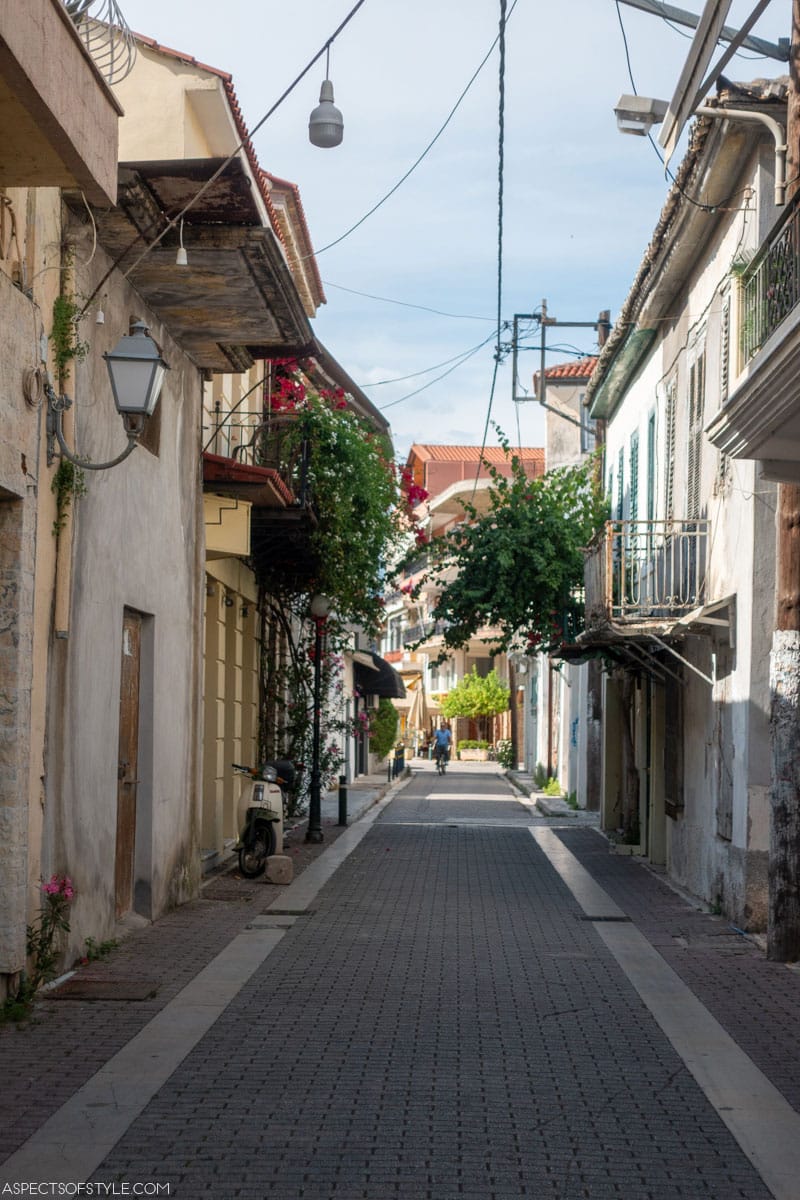
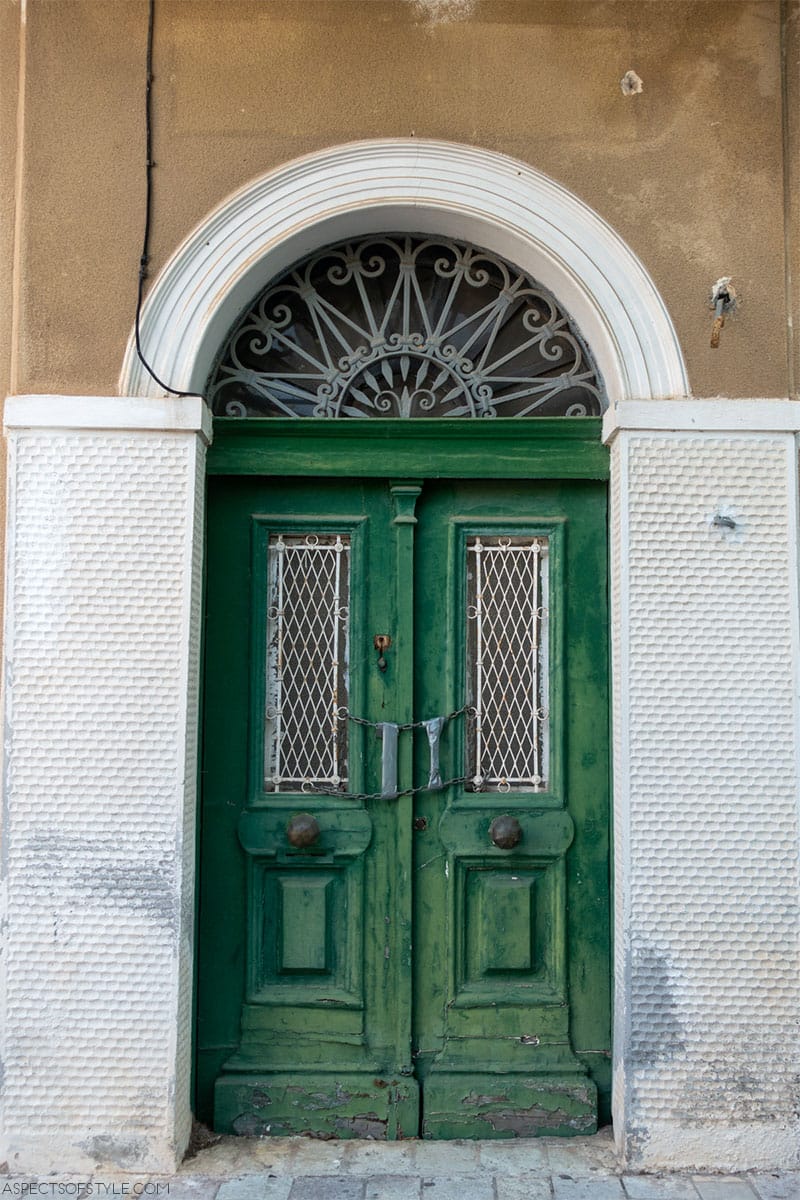
The easiest way to reach Messolonghi is by car. The town is about 242 km from Athens and 46.5 km from Patras, making it a manageable stop if you are exploring western Greece.
Most visitors only need half a day to explore Messolonghi, as the main sights are relatively close to each other. You can combine it with nearby destinations such as Nafpaktos or Aitoliko.
Garden of Heroes
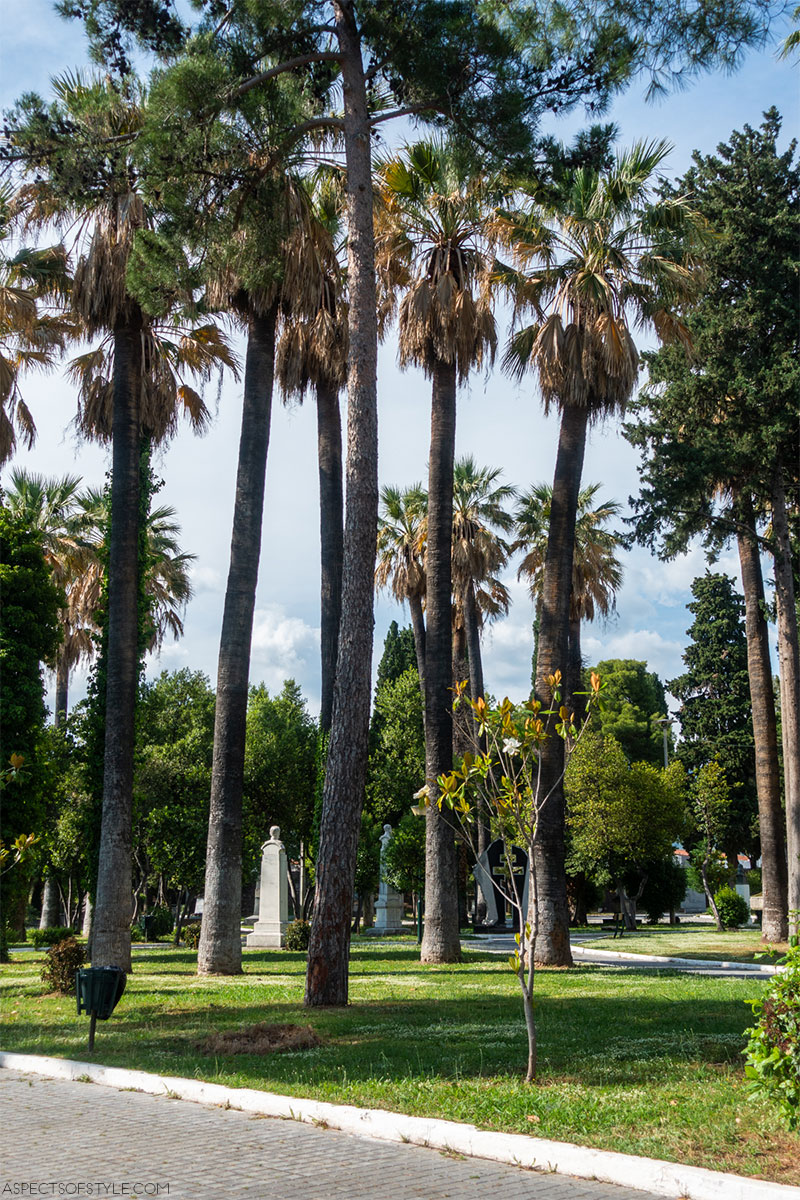
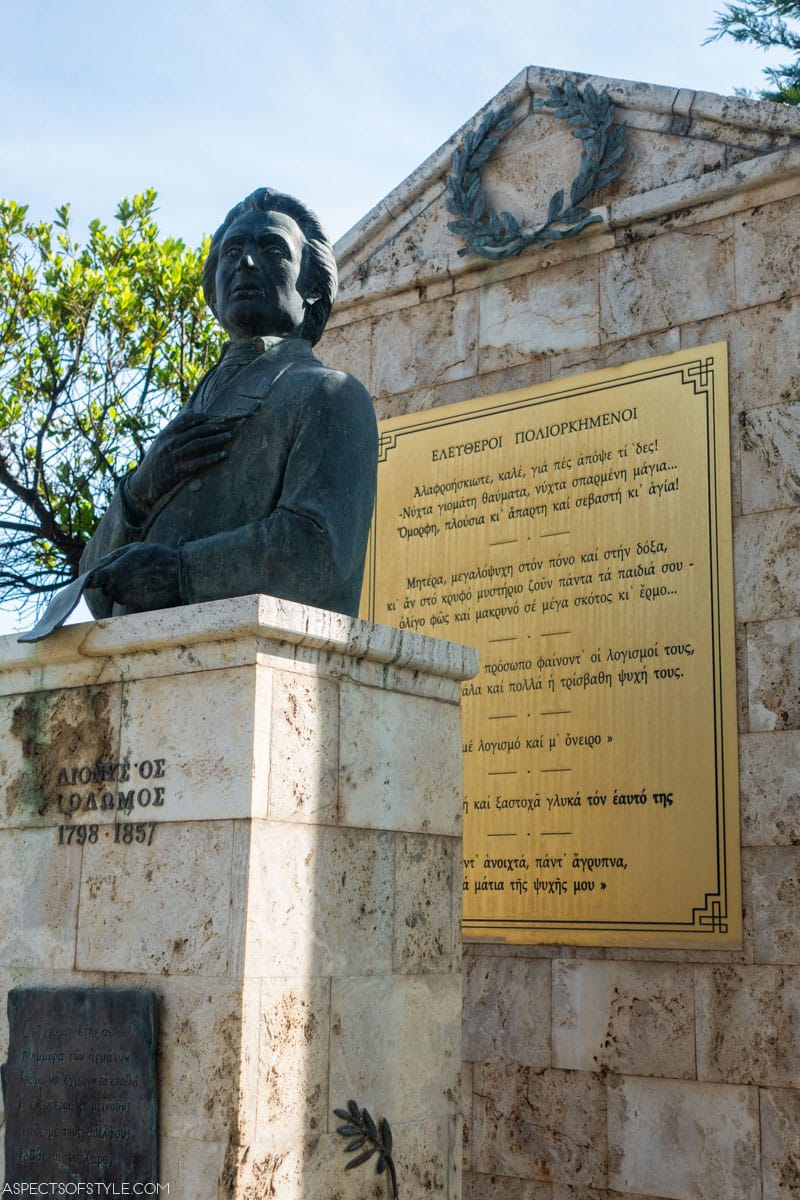
The Garden of Heroes is the main memorial dedicated to the defenders of the city and the Exodus of 1826.
If you are looking for architectural remnants from that period, you may be surprised to find that very little survives. Much of Messolonghi was rebuilt in the 20th century, and this park remains the most tangible link to the historic siege.
Walking through the park today feels peaceful and reflective. I visited on a quiet afternoon, and the calm atmosphere made the history behind the place feel even more powerful.
Xenokrateio Archaeological Museum
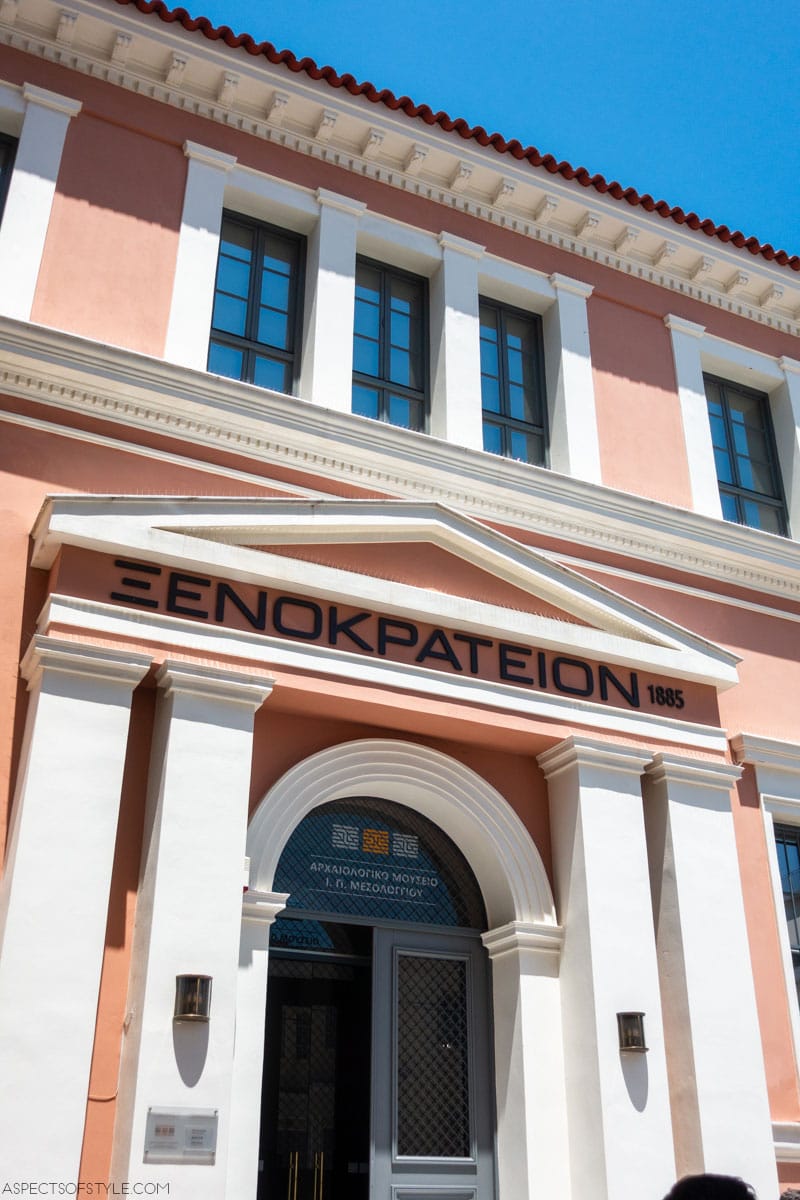
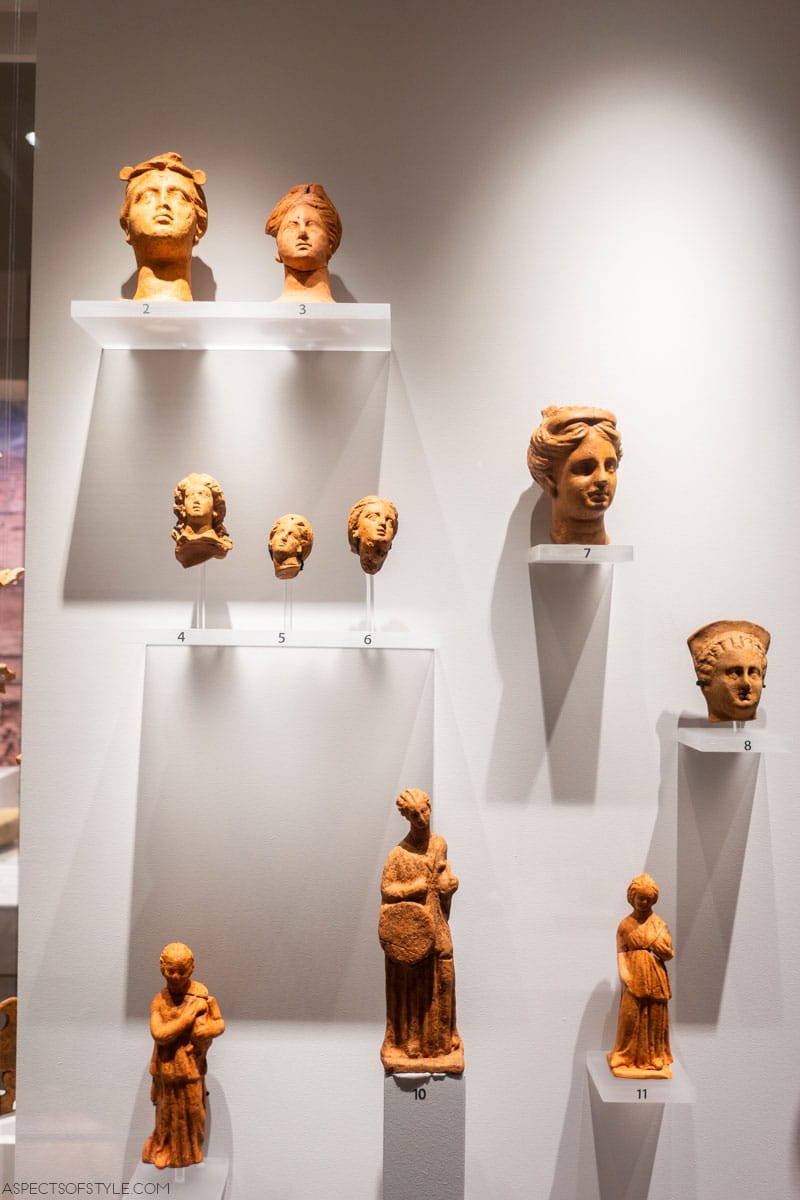
Messolonghi recently gained its own archaeological museum, the Xenokrateio Archaeological Museum. It is housed in the restored building of a former high school.
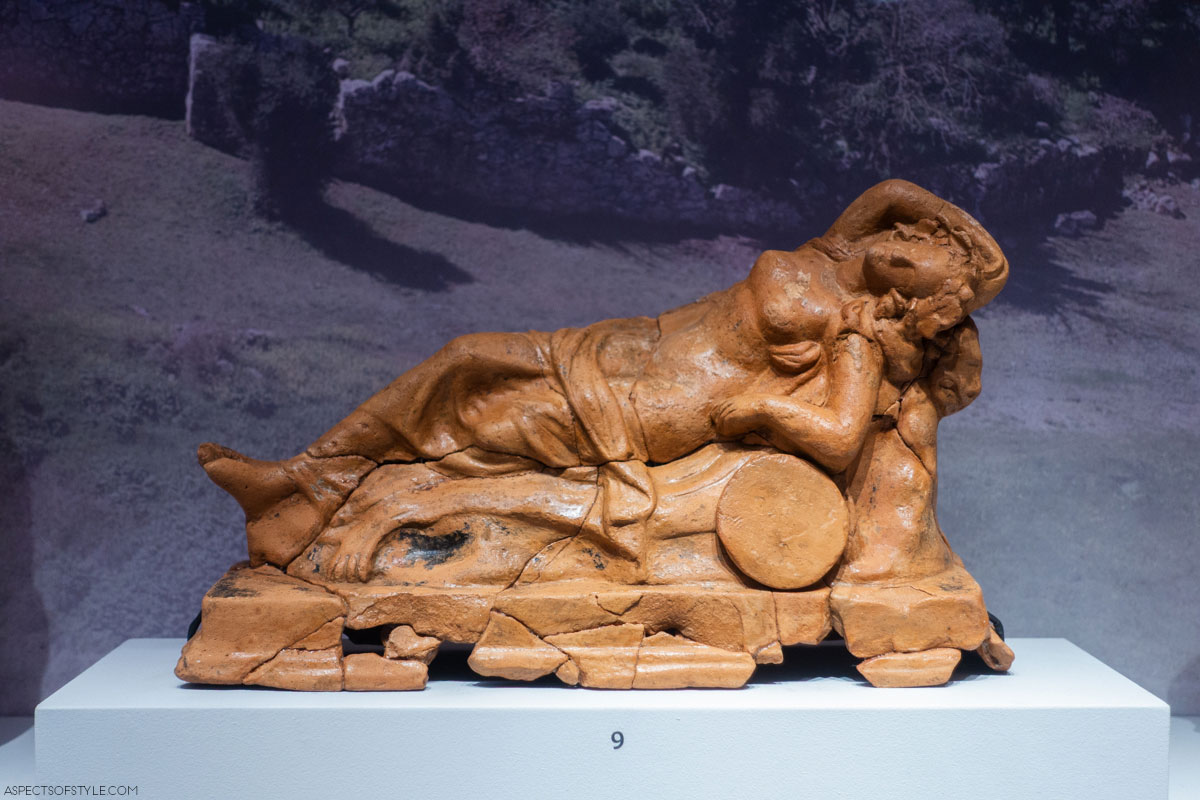
The museum displays many of the archaeological finds discovered during excavations carried out during the construction of the Ionia Odos highway.The collection includes artifacts from prehistoric caves and early settlements in the region of Aetolia-Acarnania, as well as objects from the Mycenaean period.
Currently, until the end of November 2026, the museum also hosts Greece on the Ruins of Messolonghi, a famous painting by Eugène Delacroix inspired by the tragic events of the city’s siege.
Messolonghi Salt Museum
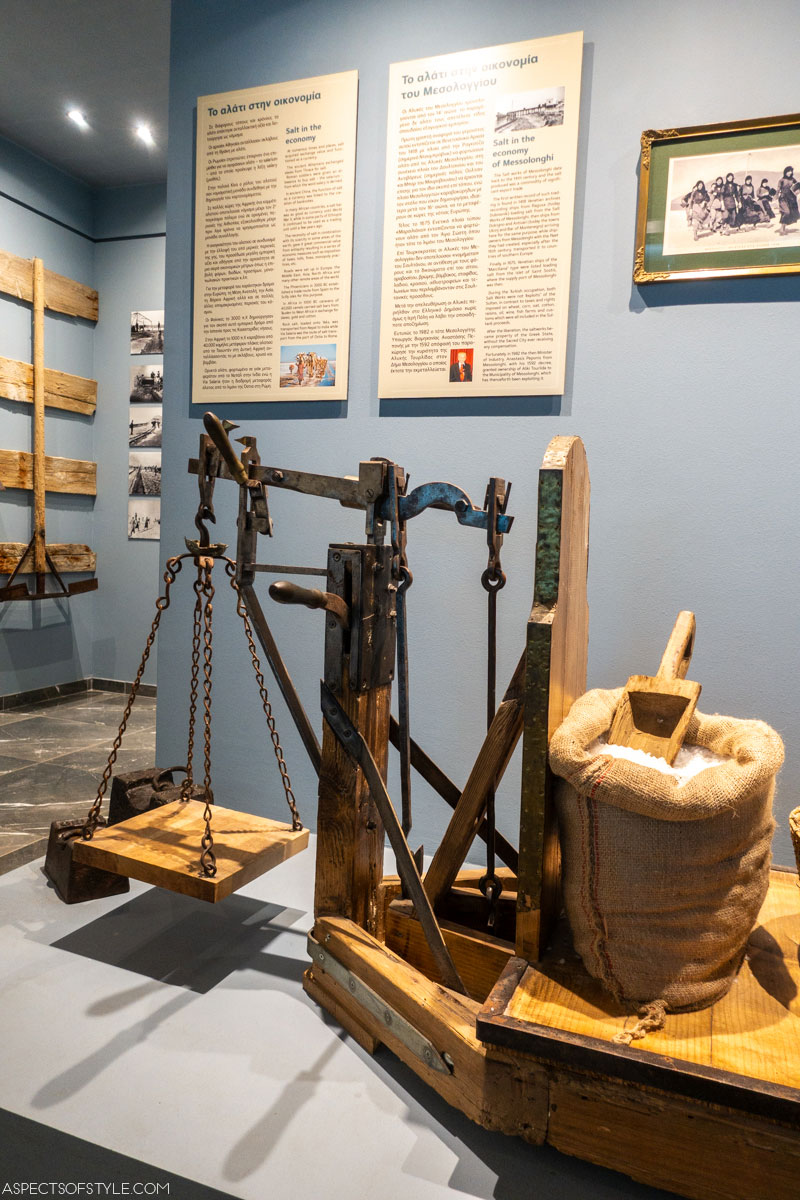
Opening hours: Wednesday – Sunday, 10:00–17:00
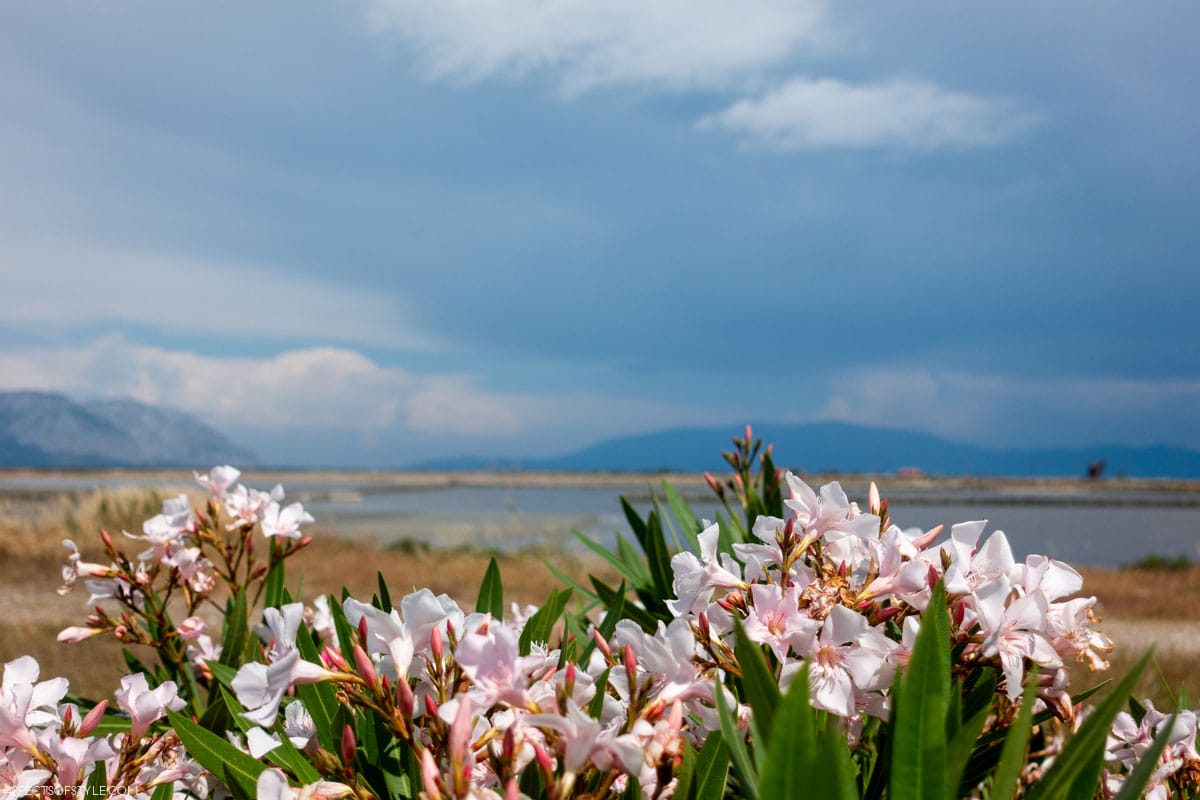
Messolonghi has long been associated with salt production. The region contains two salt lagoons. The larger, called White Saltworks, is operated by the Greek state. The smaller, called Tourlida salt lake, belongs to the municipality of the Sacred Town of Messolonghi.
The Messolonghi Salt Museum, operated by the cultural organization Diexodos, explores the history and uses of salt. Visitors can learn about different types of salt, their colors, and their uses around the world.
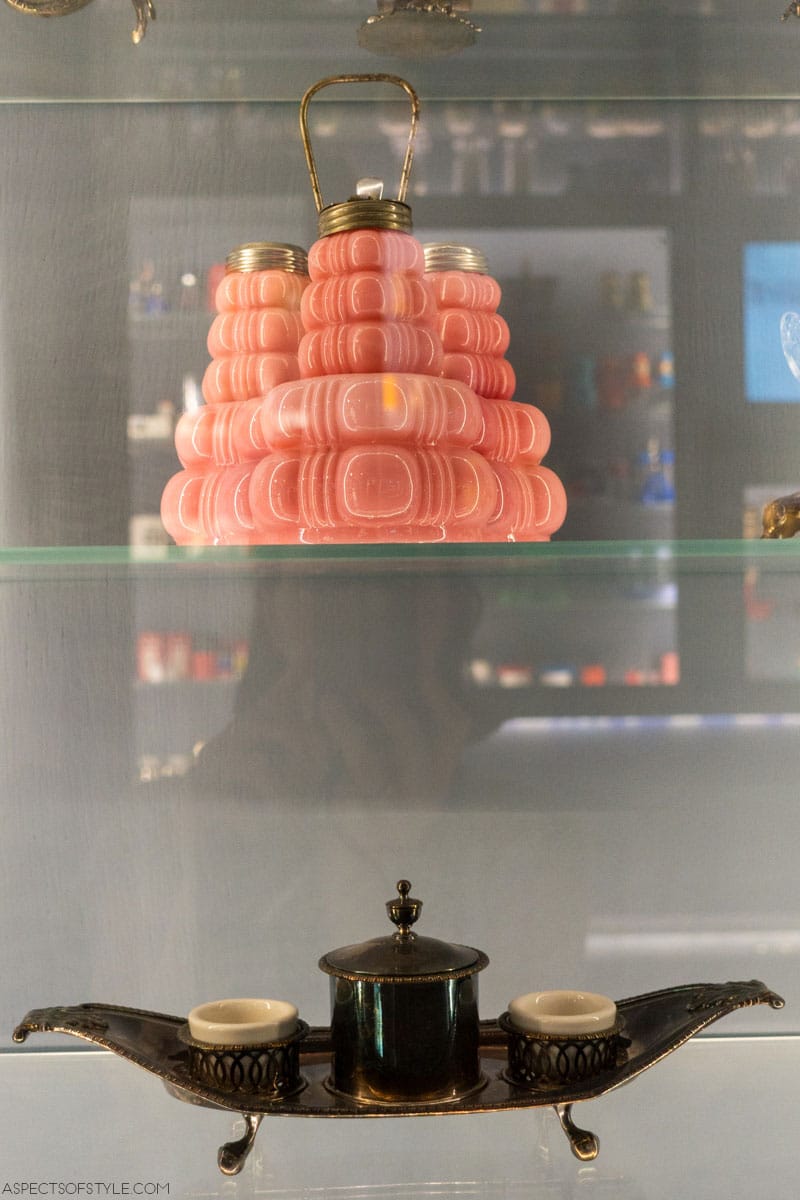
One of the most charming parts of the museum is a collection of more than 1,500 salt shakers, dating from the 19th century to today. The museum is located right next to the salt lagoon, which you can also explore.
Pelades: The Fishermen’s Houses of the Lagoon
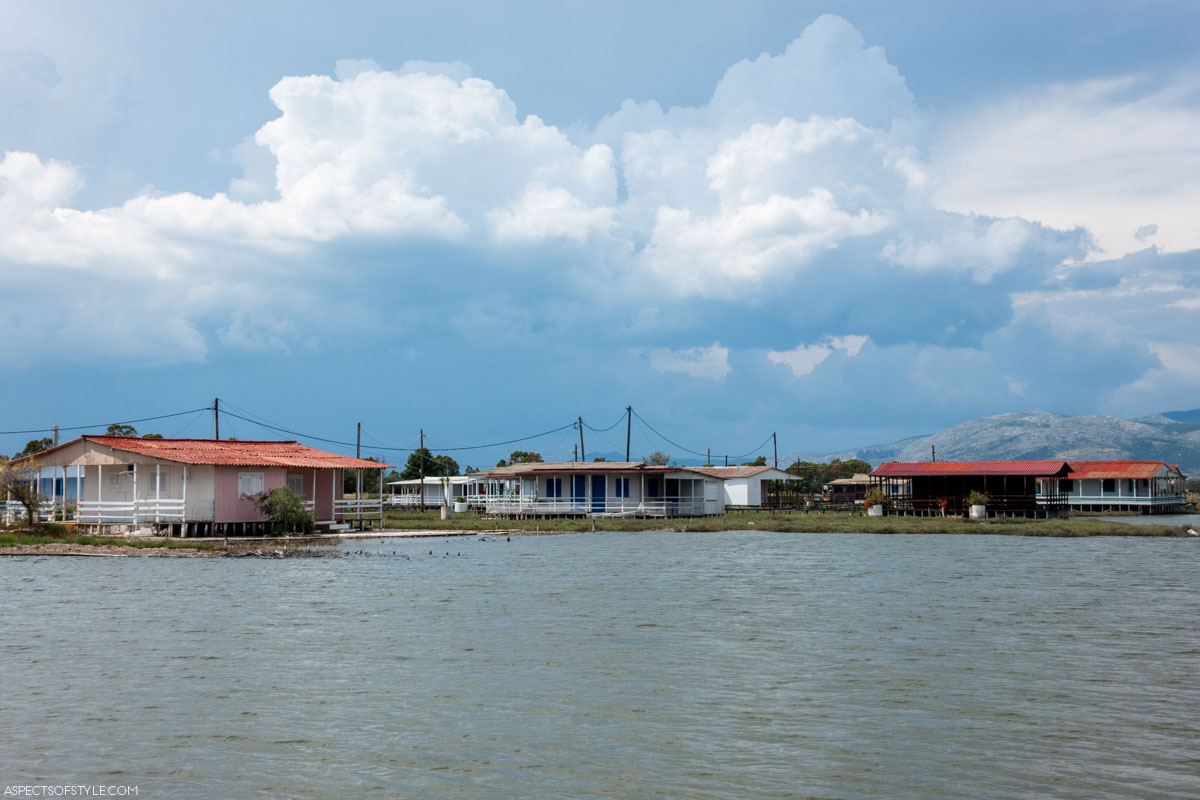
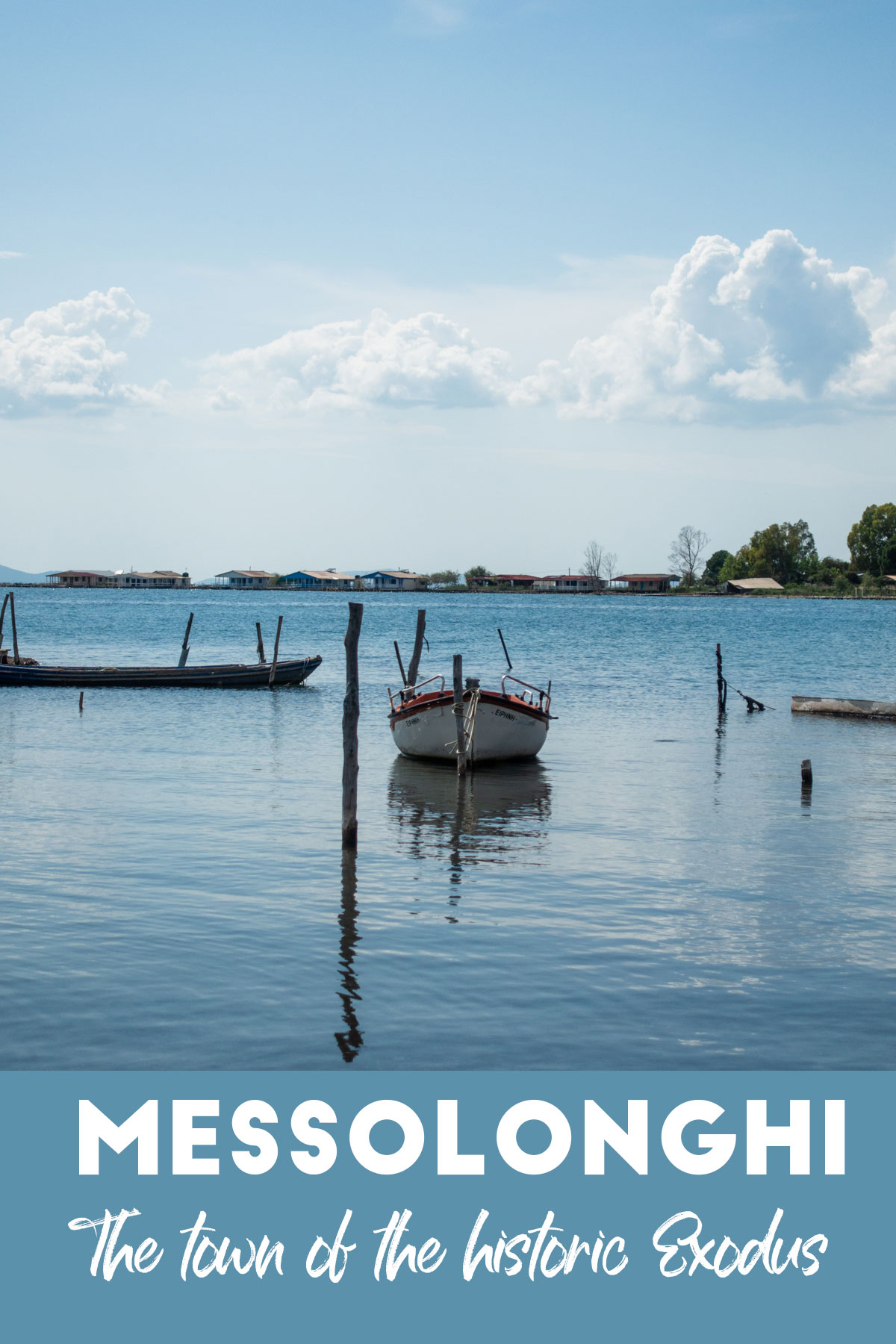
On the way to the Salt Museum, you drive along a narrow road that cuts through the Messolonghi Lagoon. Along the road, small wooden houses stand on stilts above the water. These are pelades, traditional fishermen’s houses that locals have used in the lagoon for centuries.
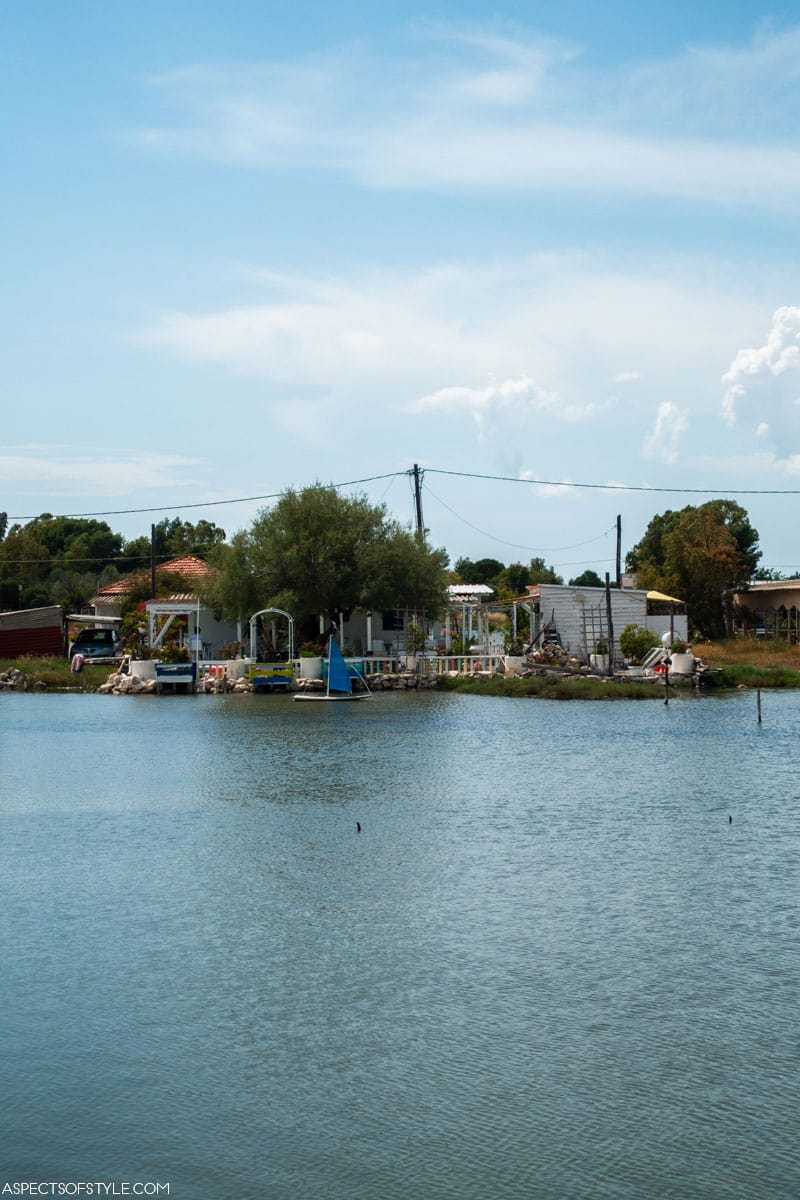
Sailors and fishermen first settled in the area during the 16th century. They developed this unique type of dwelling to live and work close to the water. Many pelades remain in use today, maintaining a strong connection between the town of Messolonghi and its lagoon.
Messolonghi may not be packed with attractions, but its quiet streets and lagoon landscapes carry a powerful historical weight. Visiting the town offers a chance to reflect on one of the most dramatic chapters of the Greek War of Independence while exploring a unique corner of western Greece.