Athens is filled with historic buildings that reflect its political, cultural, and architectural evolution. From neoclassical mansions and diplomatic residences to industrial complexes and grand hotels, each one carries a fragment of the city’s layered identity.
Open House Athens offers rare access to some of these spaces. I’ve been attending the event since 2017, often gravitating toward hotel buildings. Over the years, however, I’ve also stepped inside historic buildings in Athens that are rarely open to the public. I’ve gathered photographs and notes from these visits, and it felt like the right moment to bring them together as pieces of Athens’ architecture and history.
Hotel Grande Bretagne
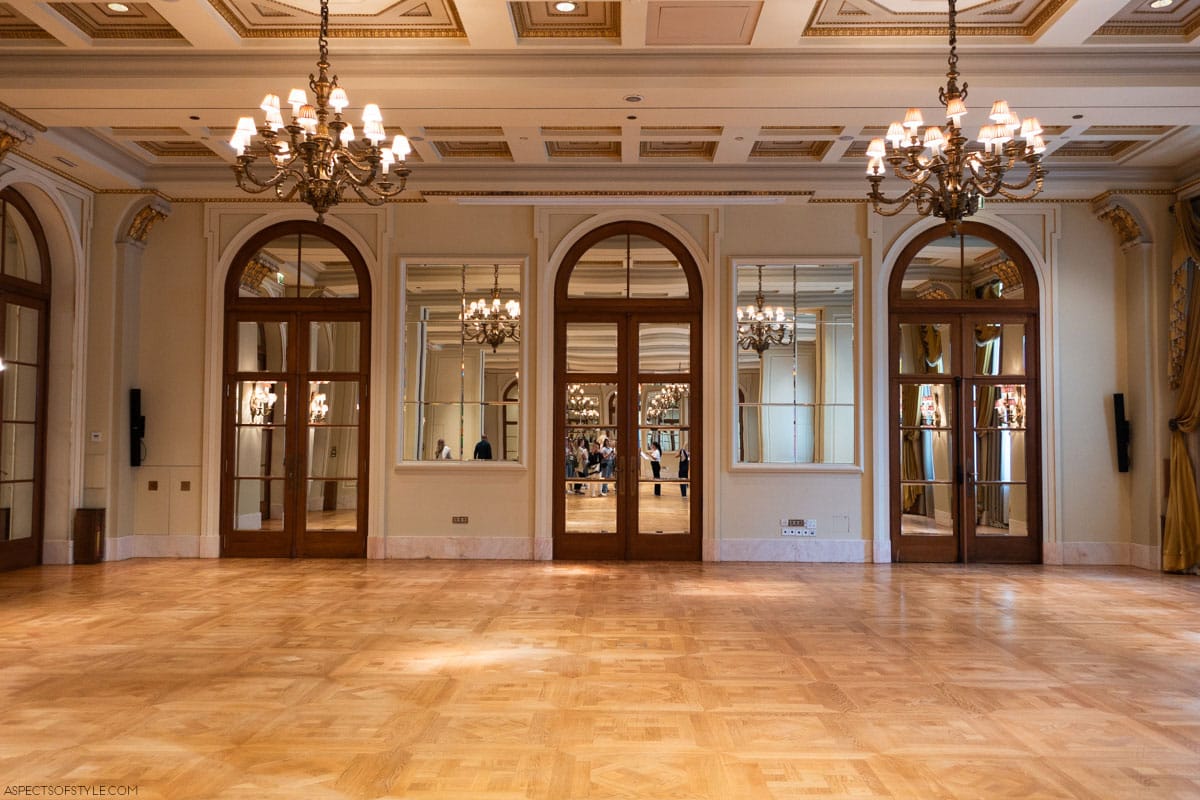
Among the most iconic historic buildings in Athens, few rival the prestige and layered history of the Hotel Grande Bretagne on Syntagma Square. In 2024, the hotel celebrated 150 years of operation and marked the anniversary by opening its doors during Open House Athens for ticketed tours. During our visit, we explored not only its public spaces but also the legendary Royal Suite — a rare opportunity inside one of the city’s most exclusive addresses.
Theophil Hansen designed the building in 1842, originally creating it as the private residence of the Dimitriou family. In 1874, Savvas Kentros relocated his hotel there, and in 1878 he partnered with Efstathios Lampsas — a chef trained in the royal palace and in Paris. Lampsas’ wife, Palmyra Parfois, played a key role in refining the hotel, dedicating herself to staff training and elevating service standards.
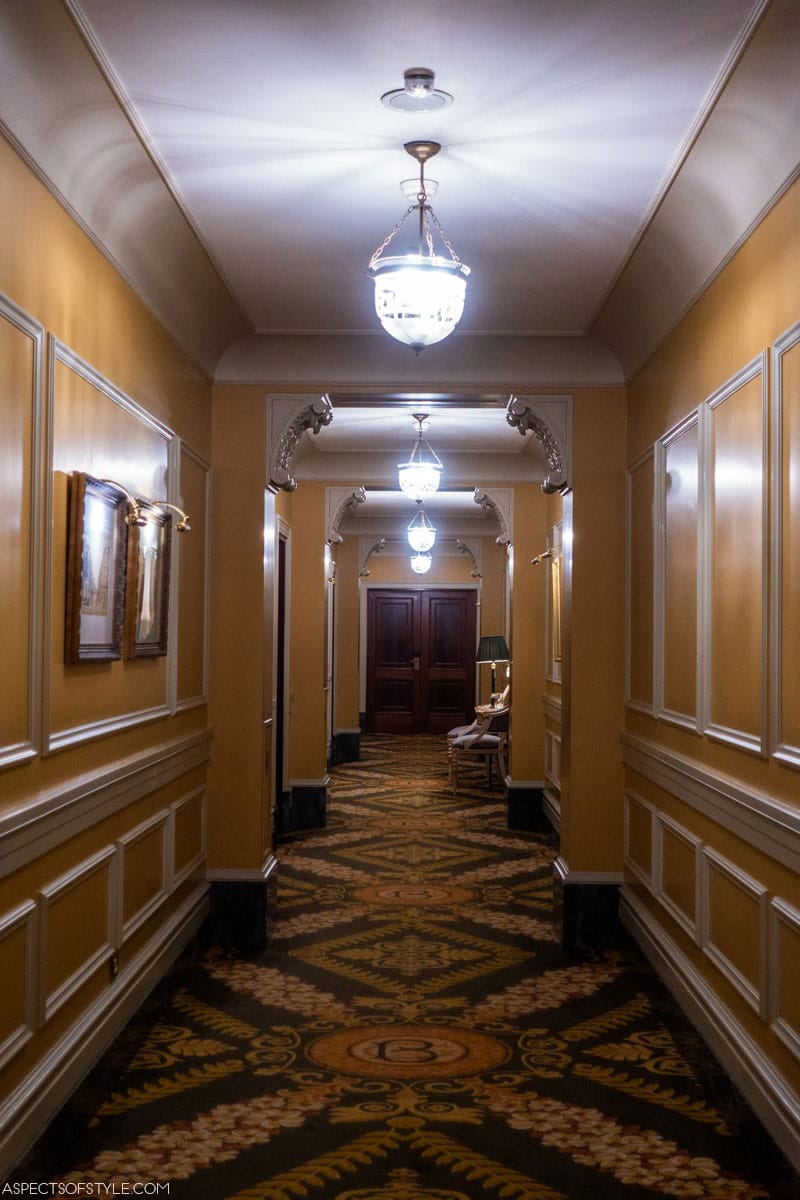
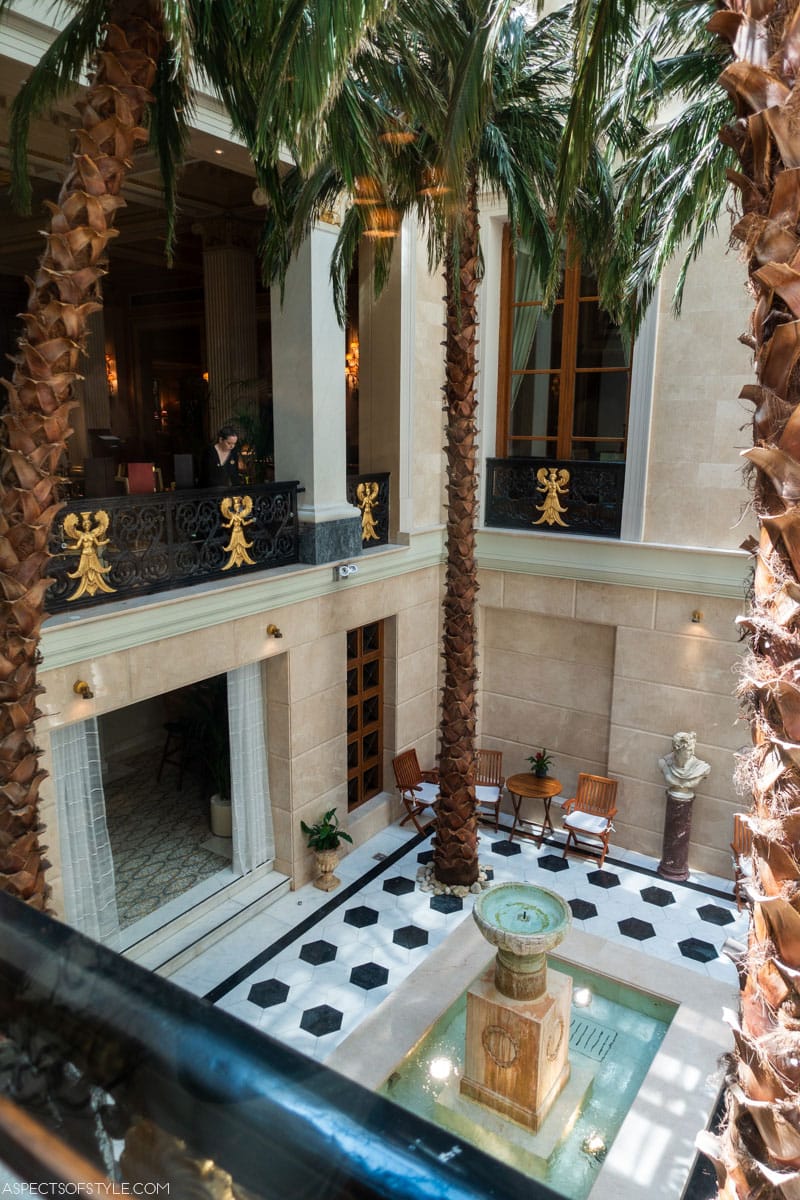
In 1927, the hotel expanded toward Voukourestiou Street and introduced telephones and private bathrooms to its rooms. During World War II, German forces requisitioned the hotel and used it as Wehrmacht headquarters. In 1957, developers demolished Hansen’s original structure and carried out a major expansion and modernization.
Since its 19th-century establishment, the Grande Bretagne has hosted royalty, heads of state, artists, and international personalities — among them Winston Churchill, Aristotle Onassis, the Kennedys, Maria Callas, Elizabeth Taylor, and Jacques Chirac. It continues to hold that distinction today.
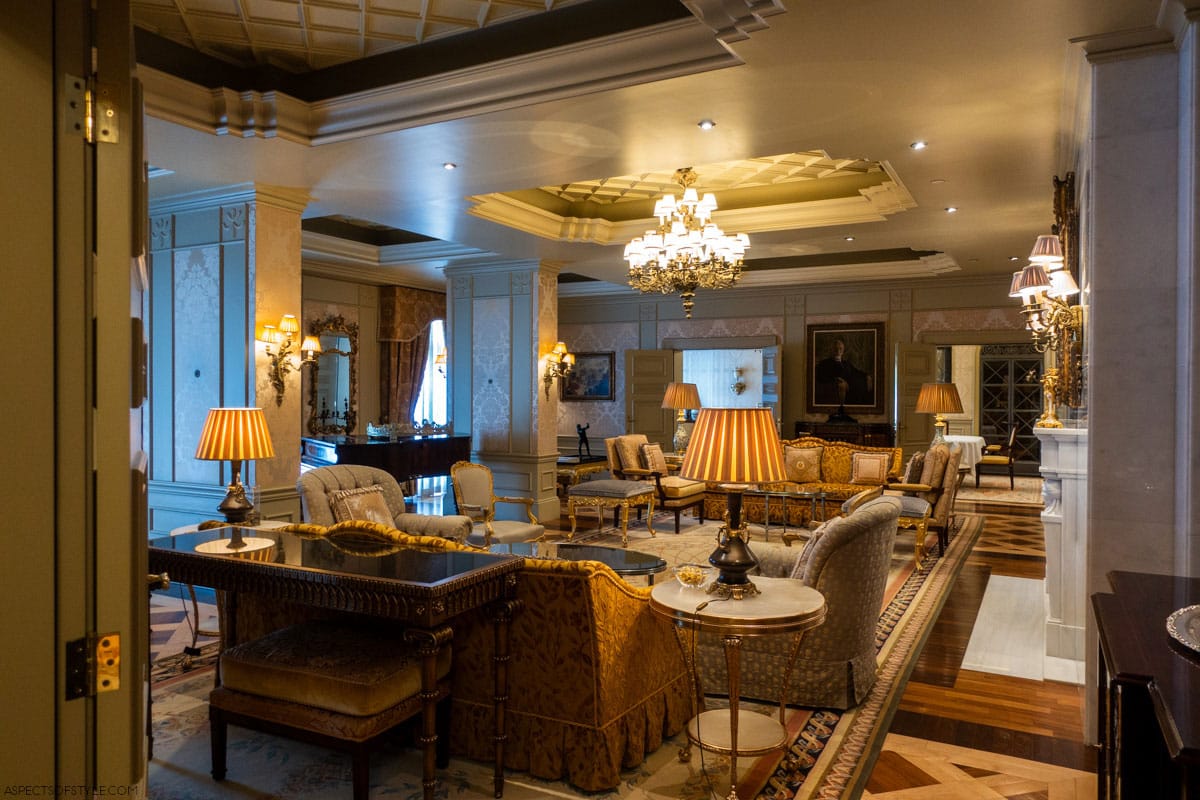
The highlight of our visit came when we stepped inside the 400-square-meter Royal Suite. The fifth-floor suite features a 16-person dining room, fireplace, sauna, private gym, and jacuzzi.
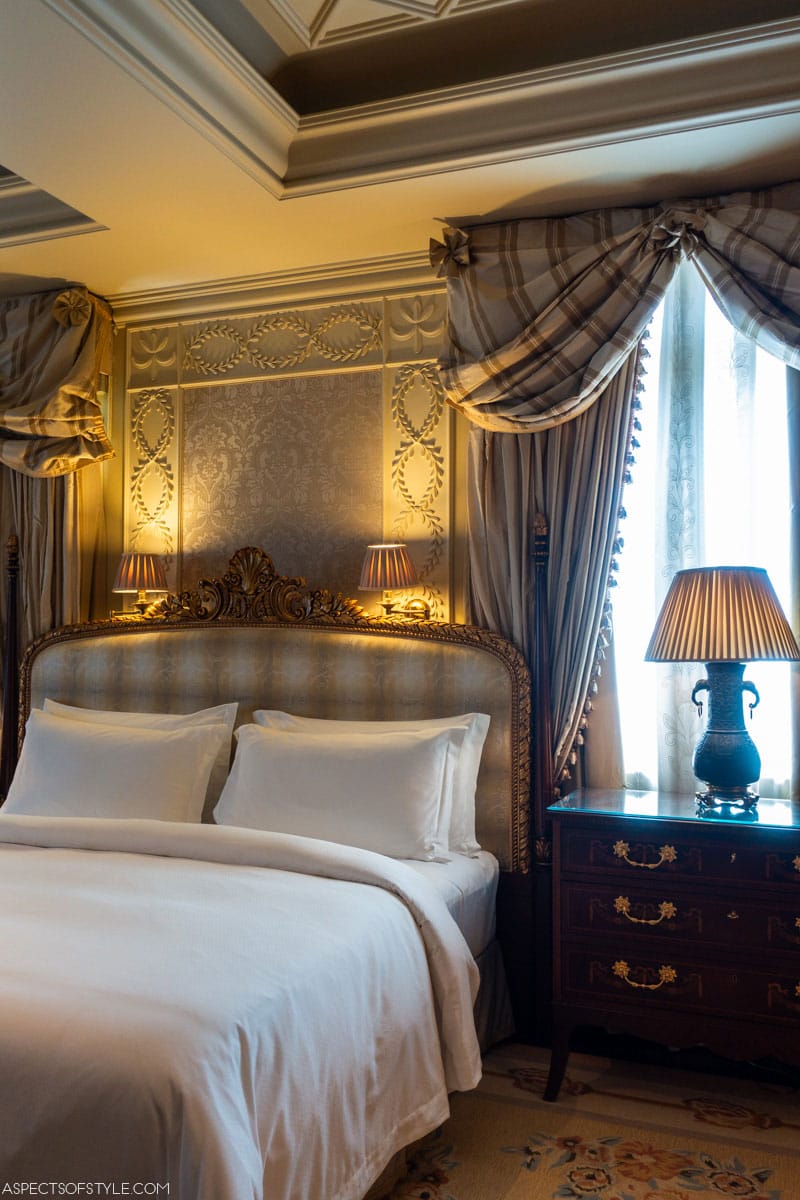
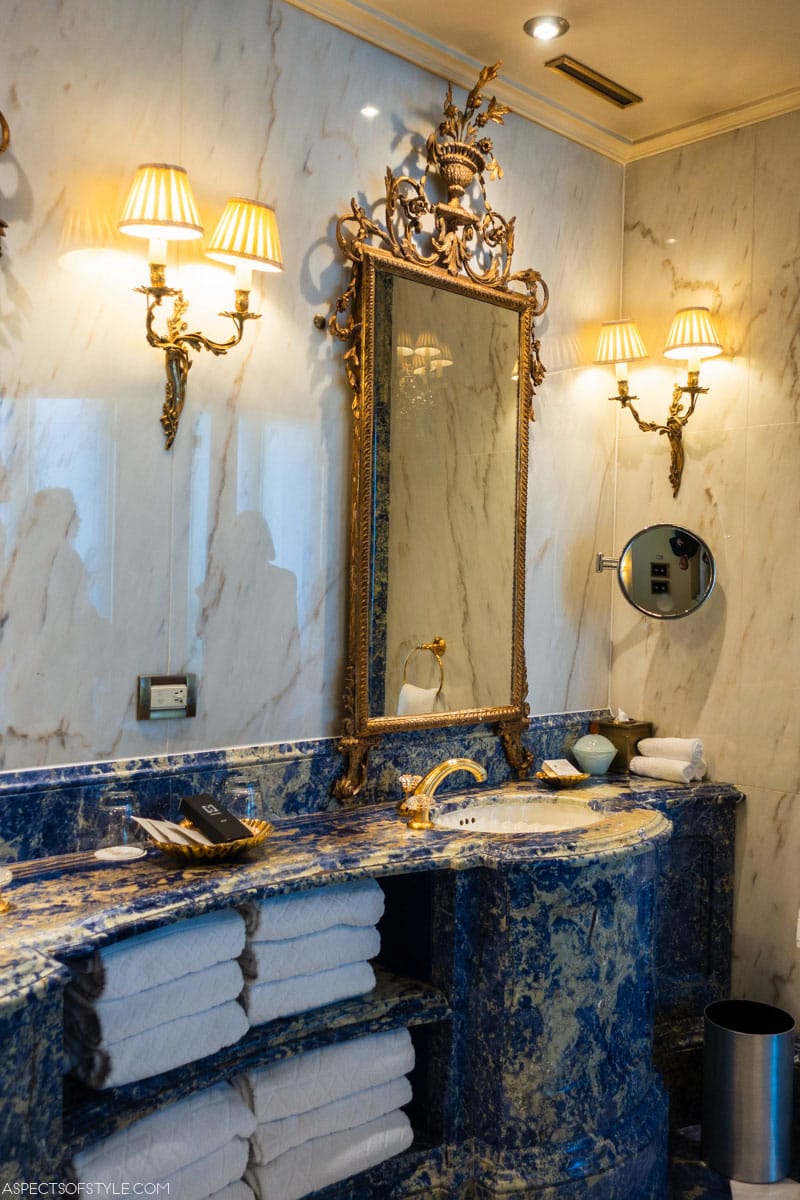
To commemorate its 150-year anniversary, the hotel also produced a documentary — a fitting tribute to a building that has long stood at the heart of modern Athenian history.
Related: Where to Stay in Athens: Best Neighborhoods & Design Hotels
Italian Embassy (Petit Palais)
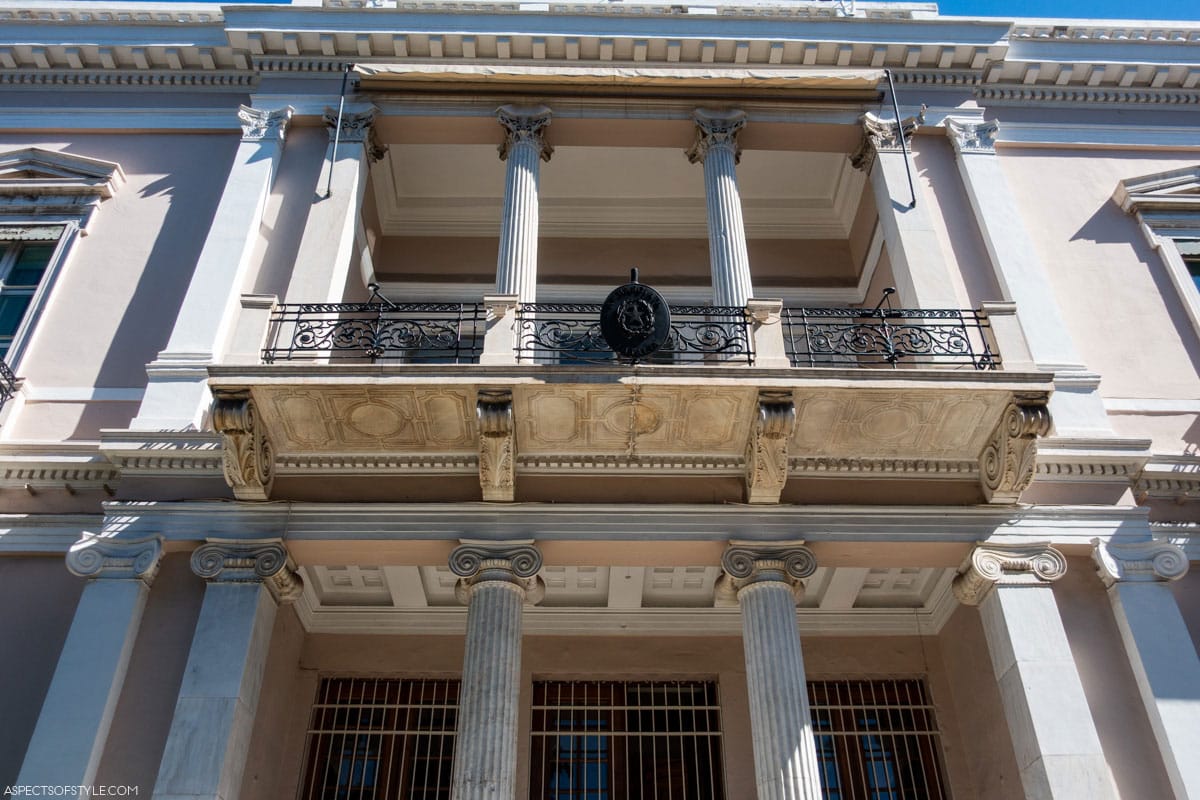
Few historic buildings in Athens encapsulate political, royal, and diplomatic history as vividly as the Italian Embassy, also known as the Petit Palais.
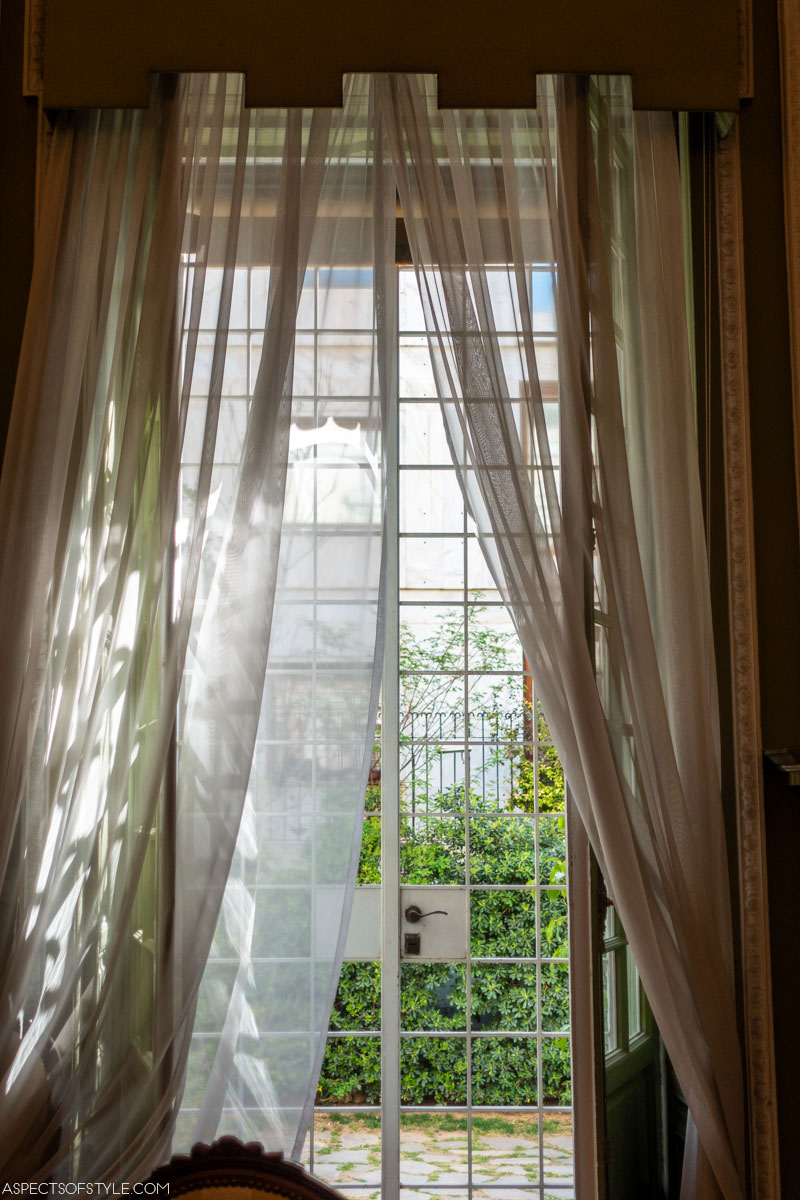
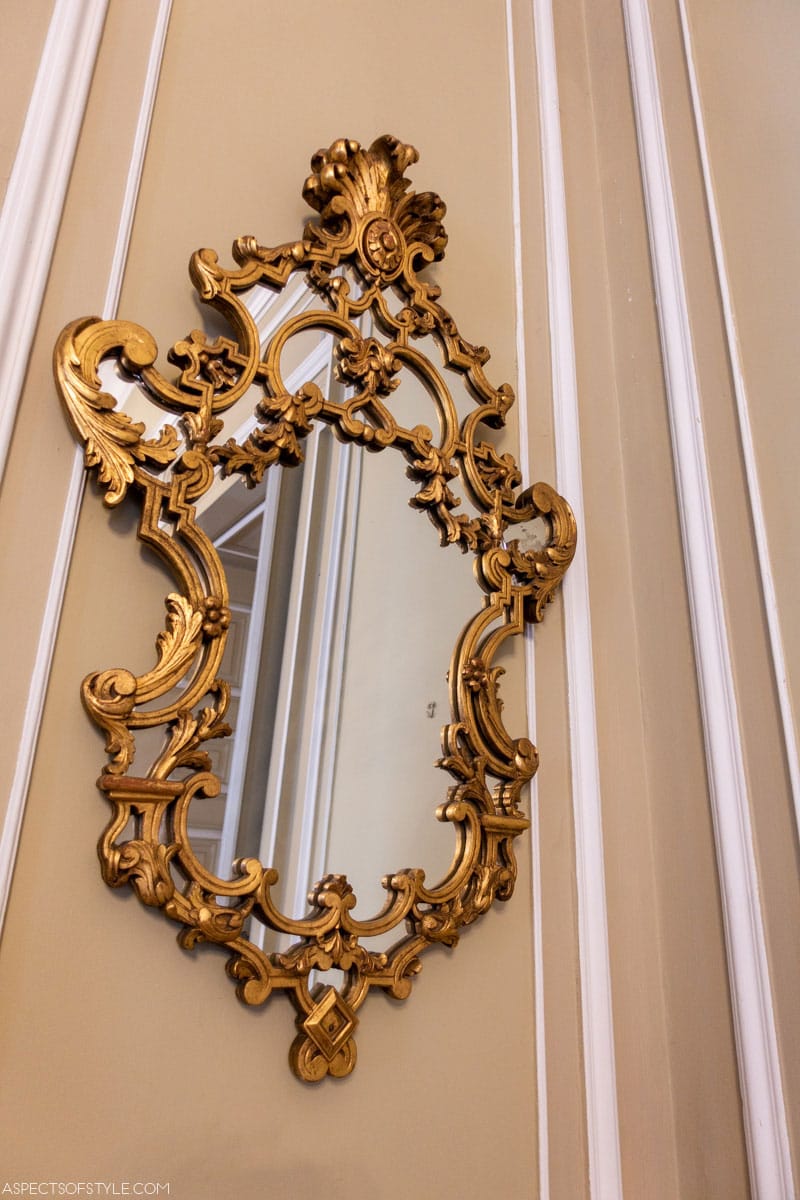
Ernst Ziller designed the building in 1870. Financier Stefanos Psychas originally used it as his residence, and in 1902 Prince Nikolaos, son of King George I, purchased it. Finding the residence too modest for a prince, he commissioned Anastasios Metaxas to design an annex. A glass atrium connects the two structures, and together they earned the nickname Petit Palais.
After Prince Nikolaos went into exile in 1917, he rented the building to the Hotel Grande Bretagne, later to the Norwegian Embassy, and eventually to the Italian Embassy in 1933. In 1955, the Italian state formally acquired the property.
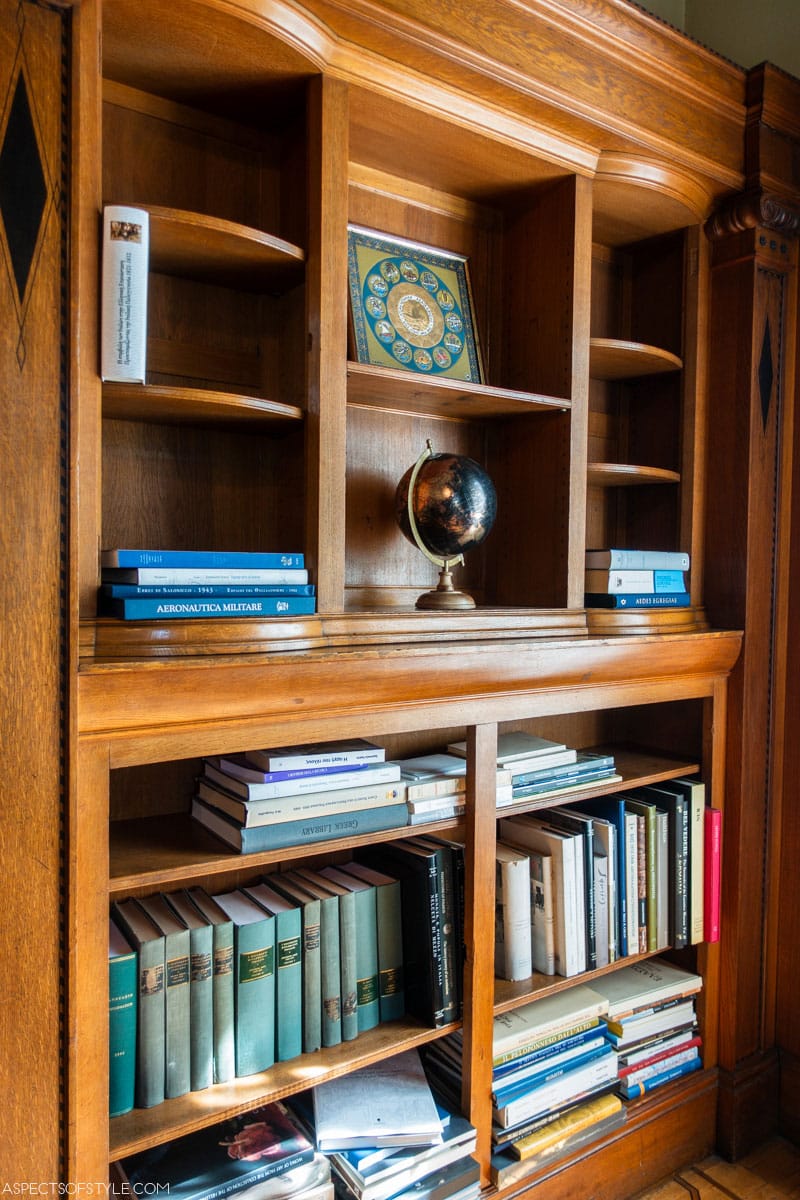
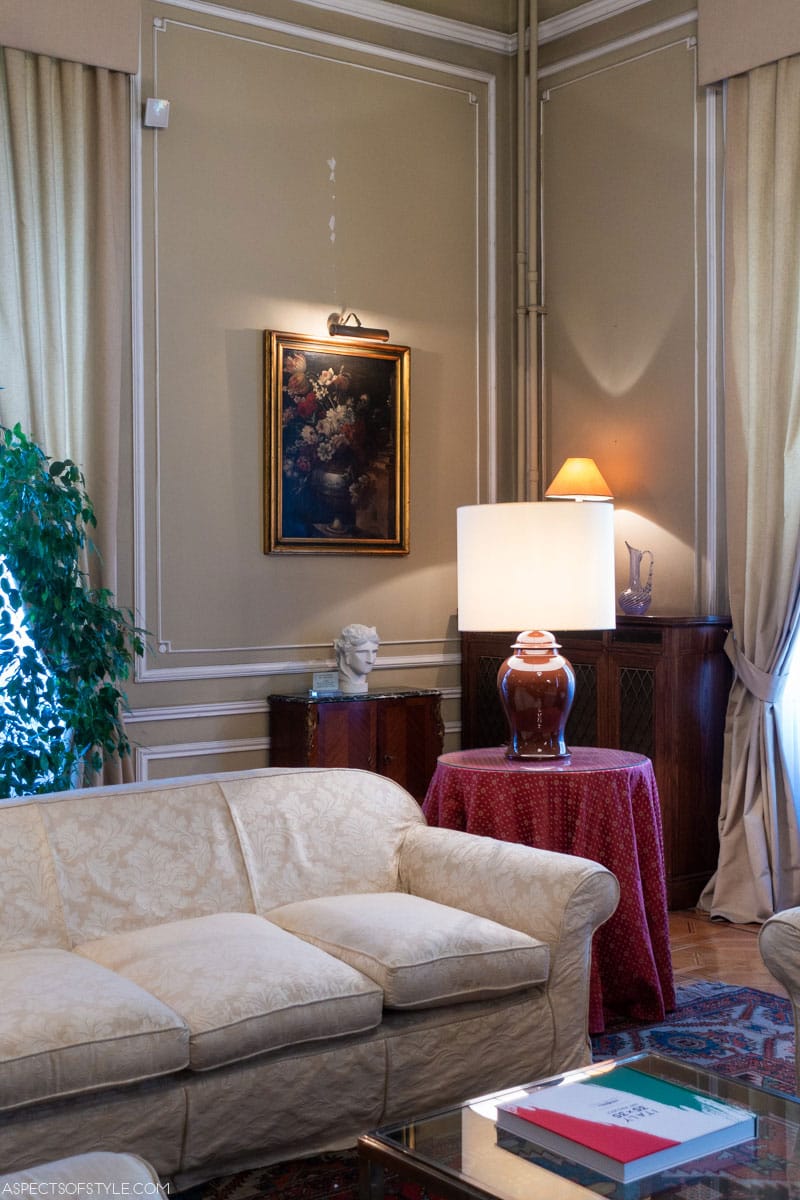
Yet among the many historic buildings in Athens, this one carries a particularly charged memory. In 1940, the Italian ambassador delivered Rome’s telegram to Ioannis Metaxas inside one of its rooms, demanding Greece’s surrender. Metaxas famously replied “No,” marking the beginning of Greece’s entry into World War II.
Today, the ambassador no longer uses that room as his main office — but history still lingers quietly within its walls.
Onassis Library
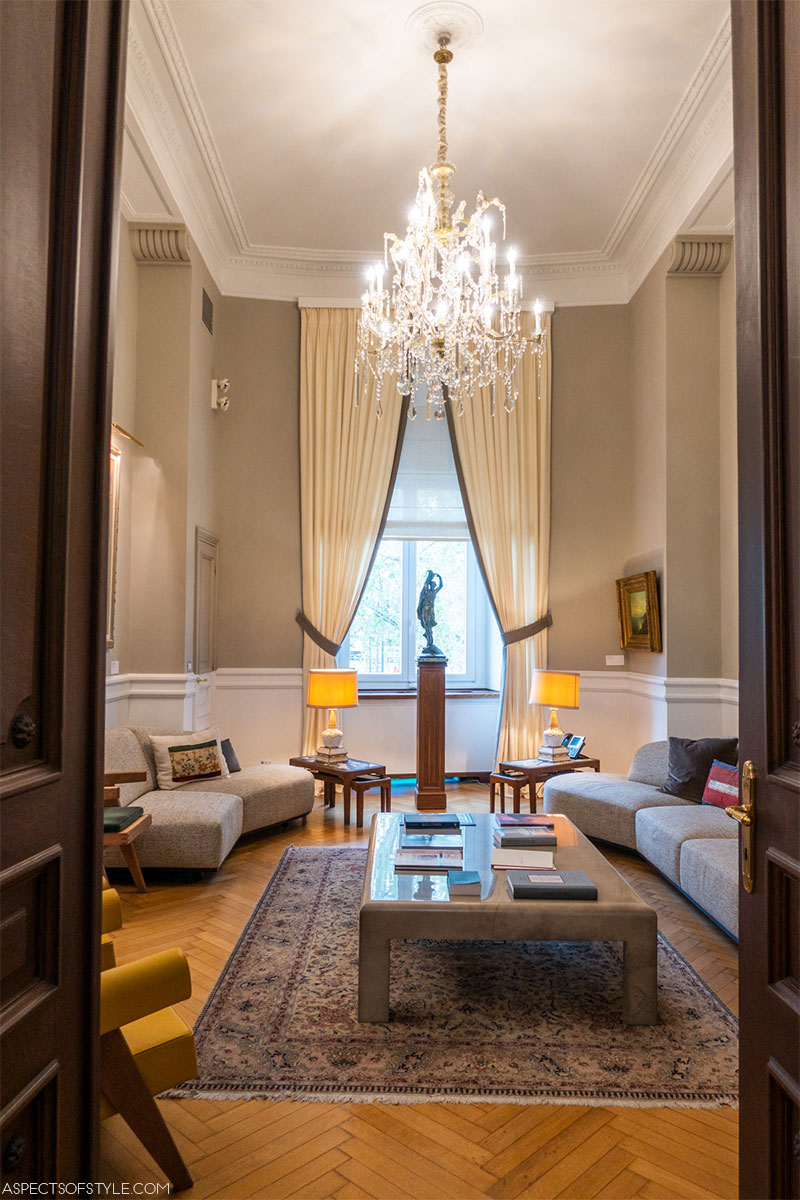
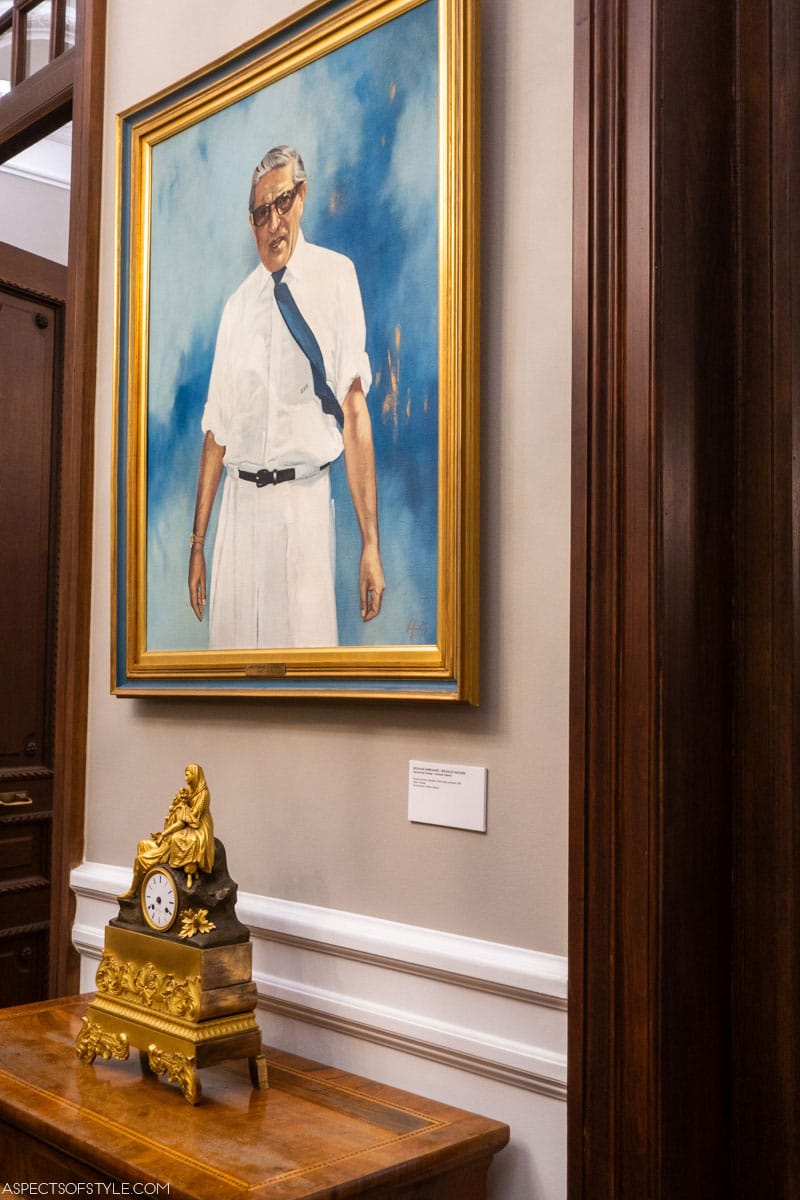
Among the many historic buildings in Athens, the Onassis Library blends private legacy with national cultural heritage. Located at the corner of Amalias Avenue and Dionysiou Areopagitou Street, this elegant building was constructed in 1905 by architect Anastasios Metaxas. Originally designed as a private residence, it later housed the Italian Archaeological School between 1937 and 1950. During that time it served both as the School’s headquarters and as the residence of its directors.
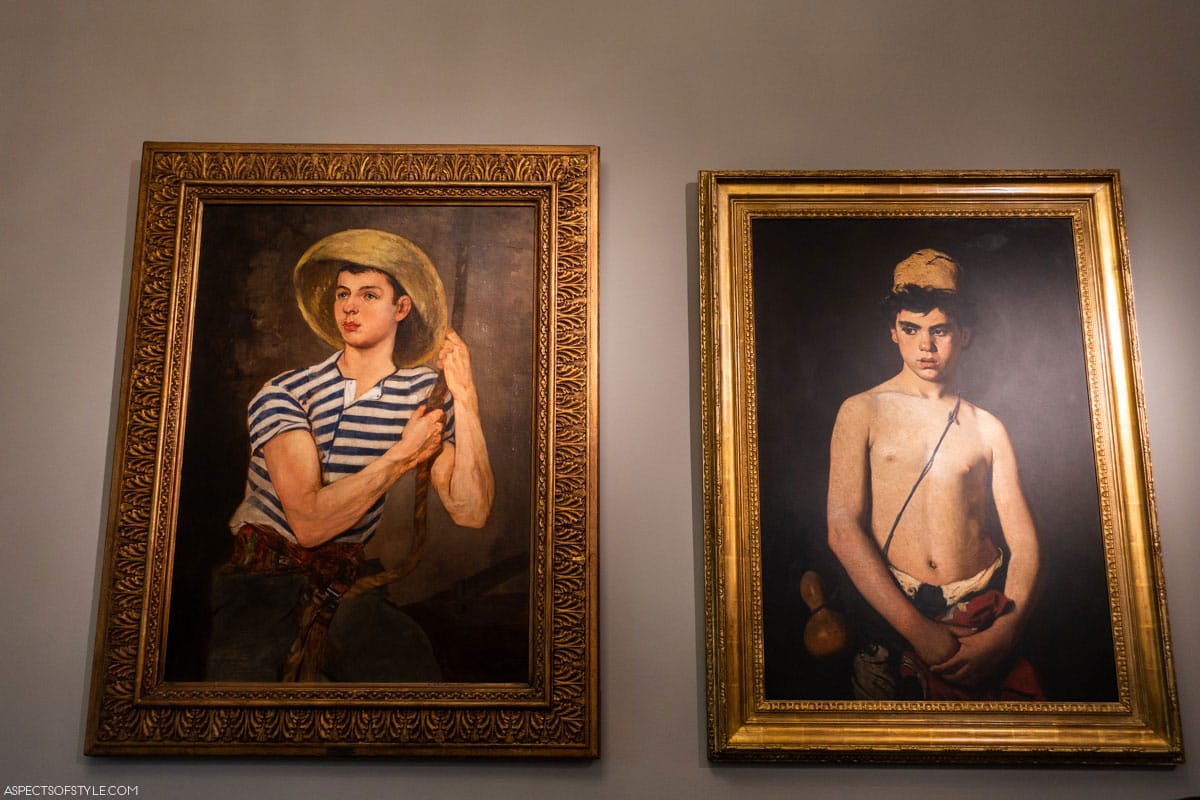
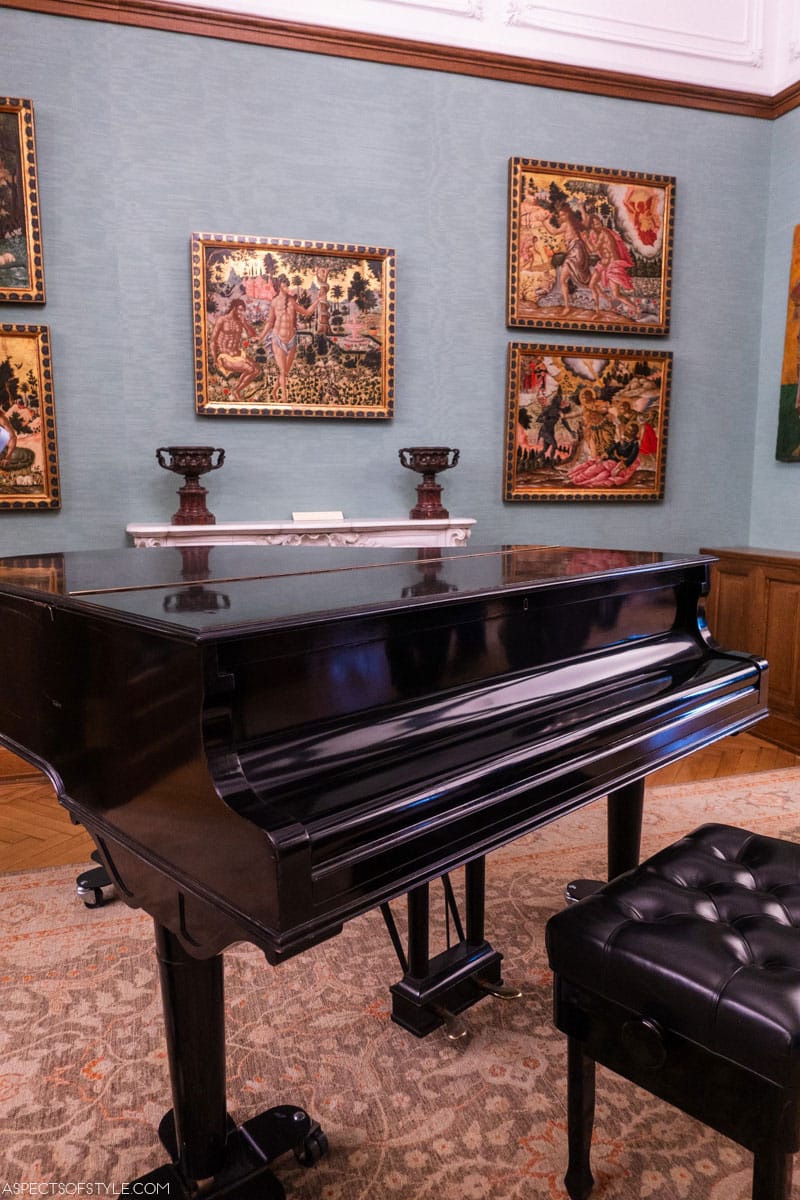
The Onassis Foundation acquired the building in 1989 and restored it extensively after decades of use and neglect. Inside, you’ll find furniture from Aristotle Onassis’ yacht Christina, as well as the piano he purchased for Maria Callas. Works from the Onassis art collection are also displayed throughout the interiors.
The library is organized into six main collections:
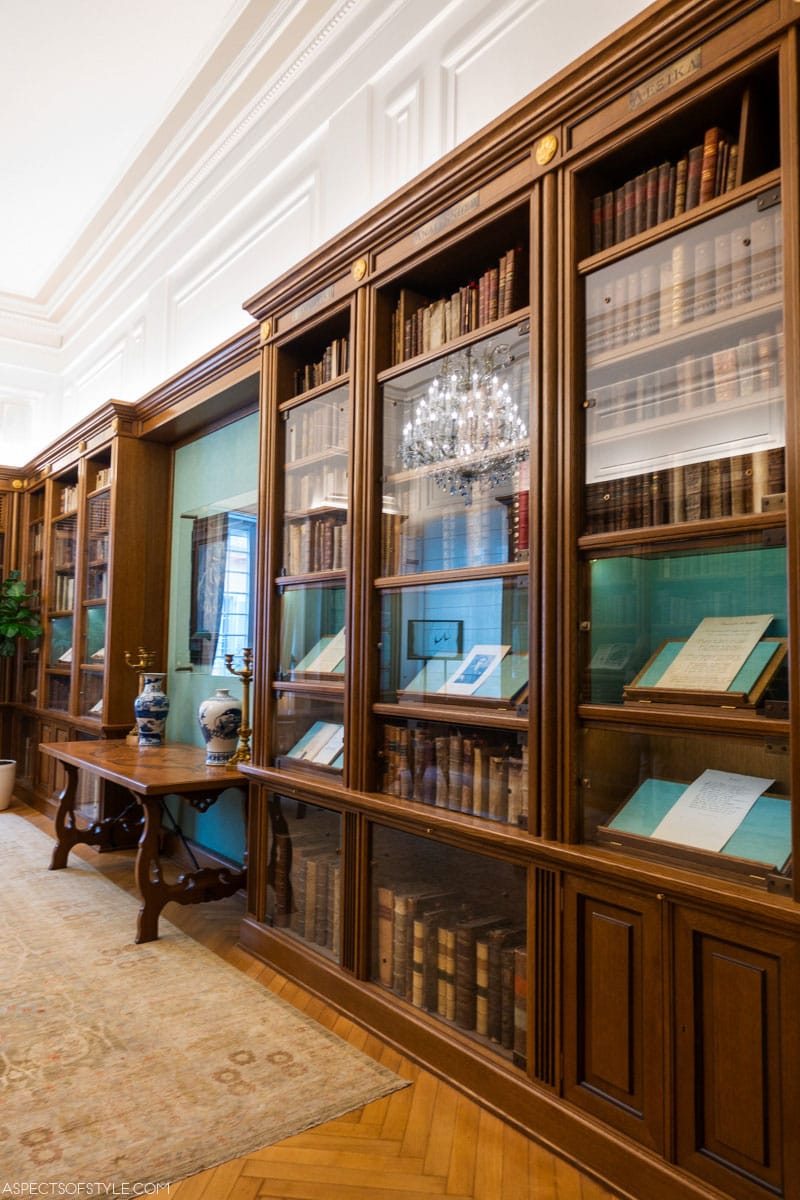
- The Hellenic Library, focusing on Greek publishing and printing history from the 15th to the mid-20th century. It includes works by Rigas Feraios and the famous map he drafted before the Greek War of Independence.
- The Travel Accounts Collection, featuring books by Western European travelers describing the Mediterranean and Southeastern Europe from the 16th to the 20th centuries.
- Aristotle Onassis’ Personal Library, covering subjects from shipping and business to literature and history.
- The Historical & Literary Archive, containing manuscripts and documents of prominent Greek political and intellectual figures.
- The Cavafy Archive, which includes manuscripts and personal items of the Alexandrian poet. This collection is housed separately in Plaka and open to the public three days per week.
- The Onassis Archive, with over 1.5 million items documenting Onassis’ entrepreneurial activity from 1924 to 1975 and the Foundation’s operations until 2009.
Melas Mansion
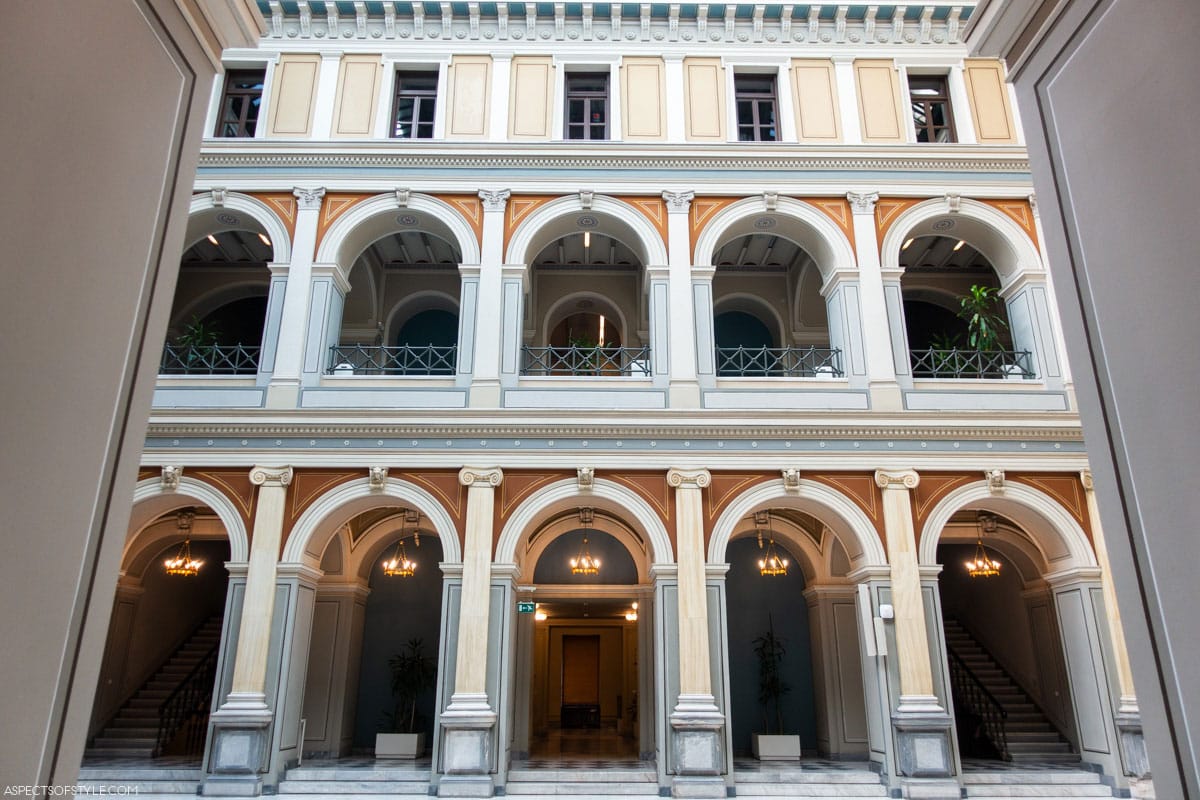
Melas Mansion was built in 1874 based on designs by Ernst Ziller. It was once the largest private building in Athens, commissioned by merchant Vasileios Melas . Initially operating as a hotel, it later served commercial purposes. From 1900 to 1973, housed the city’s central Post Office — a role that placed it at the heart of daily urban life. In 2024, Melas Mansion was one of several historic buildings in Athens owned by the National Bank of Greece that opened to the public during Open House Athens, offering rare access to its interiors.
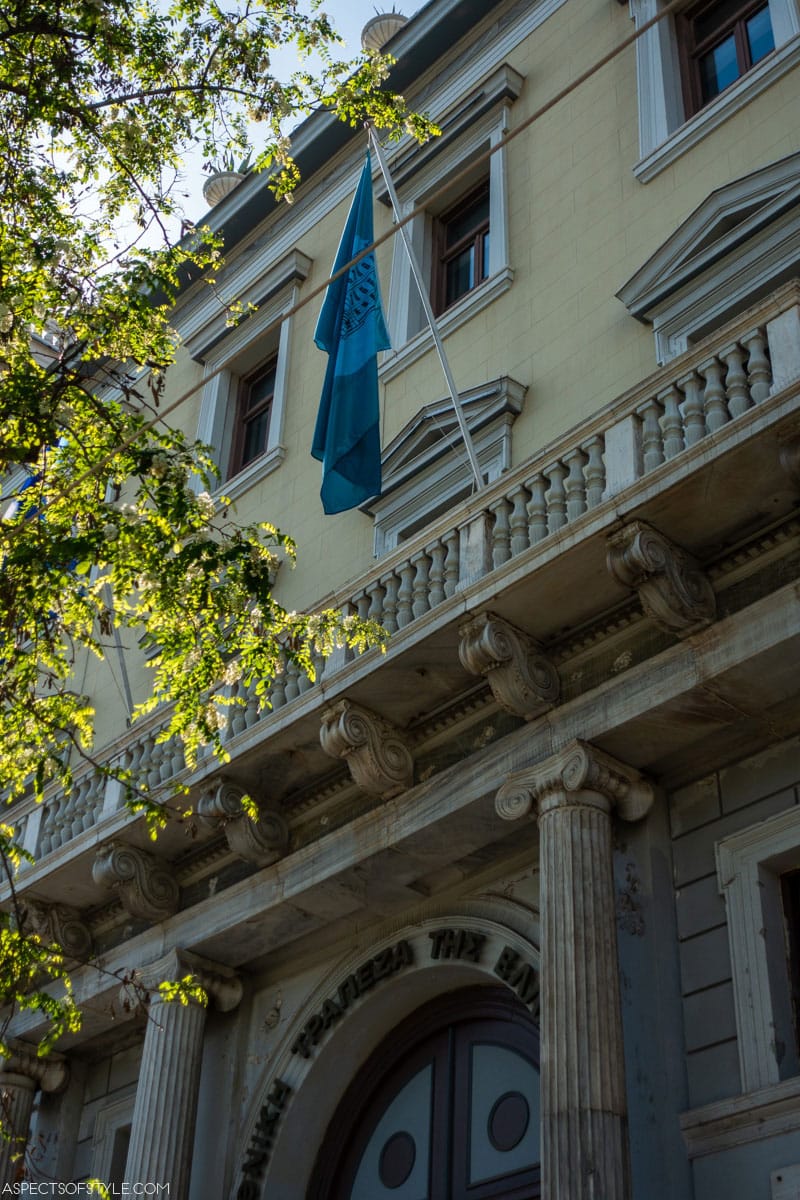
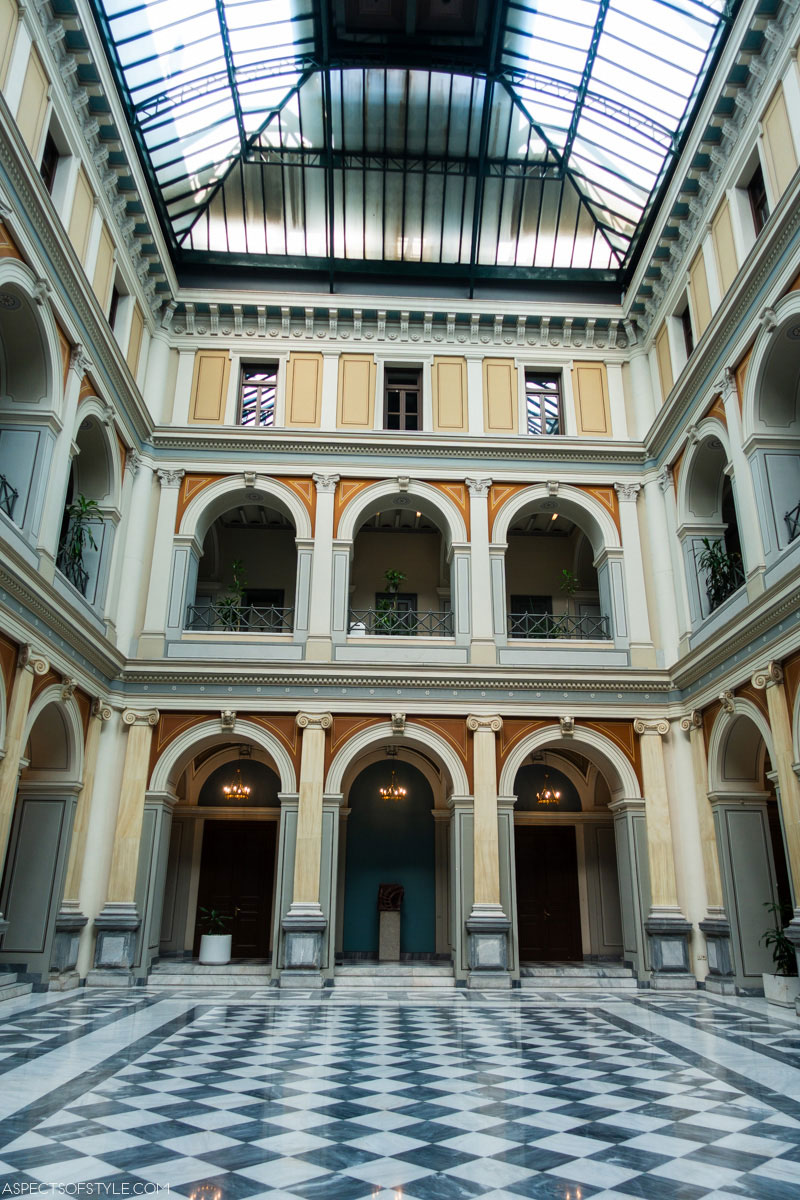
The National Bank supervised the building’s full restoration in 1979. Inside, a closed atrium framed by colonnades forms its architectural core. On the ground floor, the central hall is now used for events and lectures. One wing displays artworks from the Bank’s collection. The upper floors accommodate office spaces for various Bank units.
Old (small) Stock Market
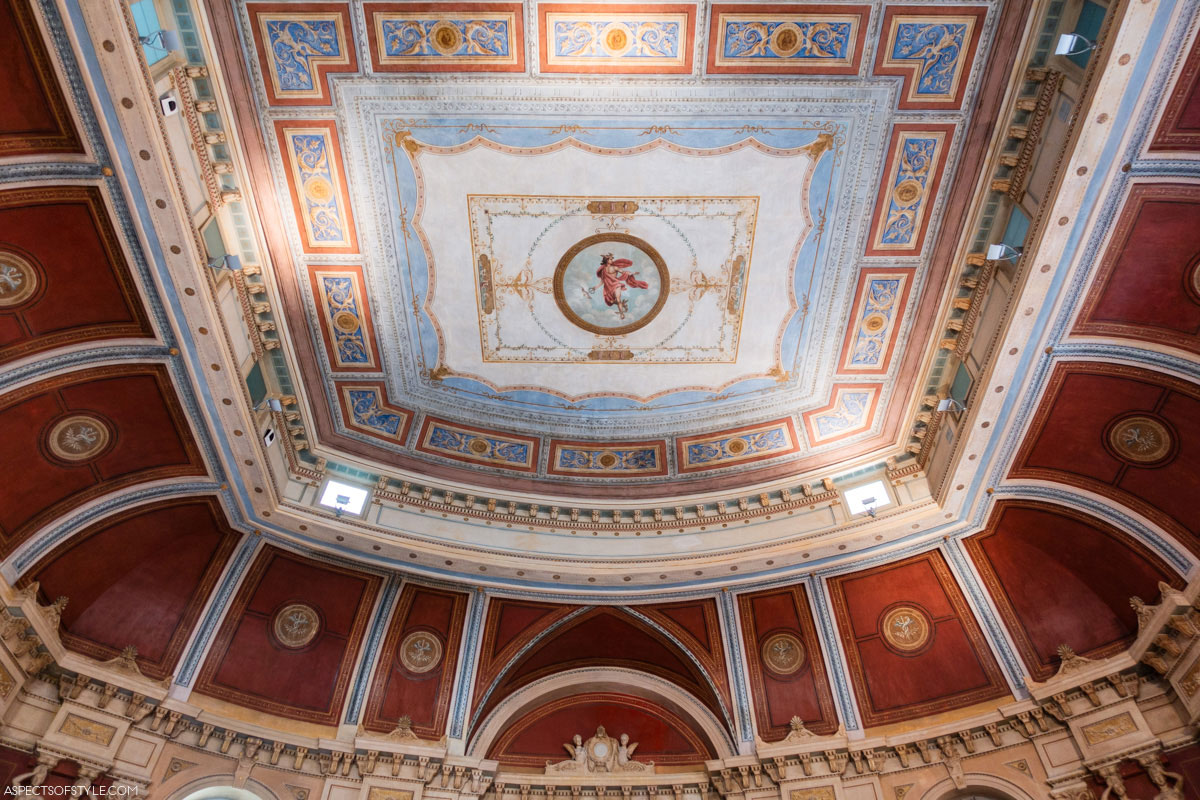
Not all historic buildings in Athens reveal themselves immediately. Some require a bit of curiosity — and a willingness to look beyond the obvious. Most people associate the Athens Stock Exchange with the building on Sofokleous Street, where it operated from 1934 until 2005. Yet only a few meters away stands an older, lesser-known structure — hidden behind another building and accessible through an arcade.
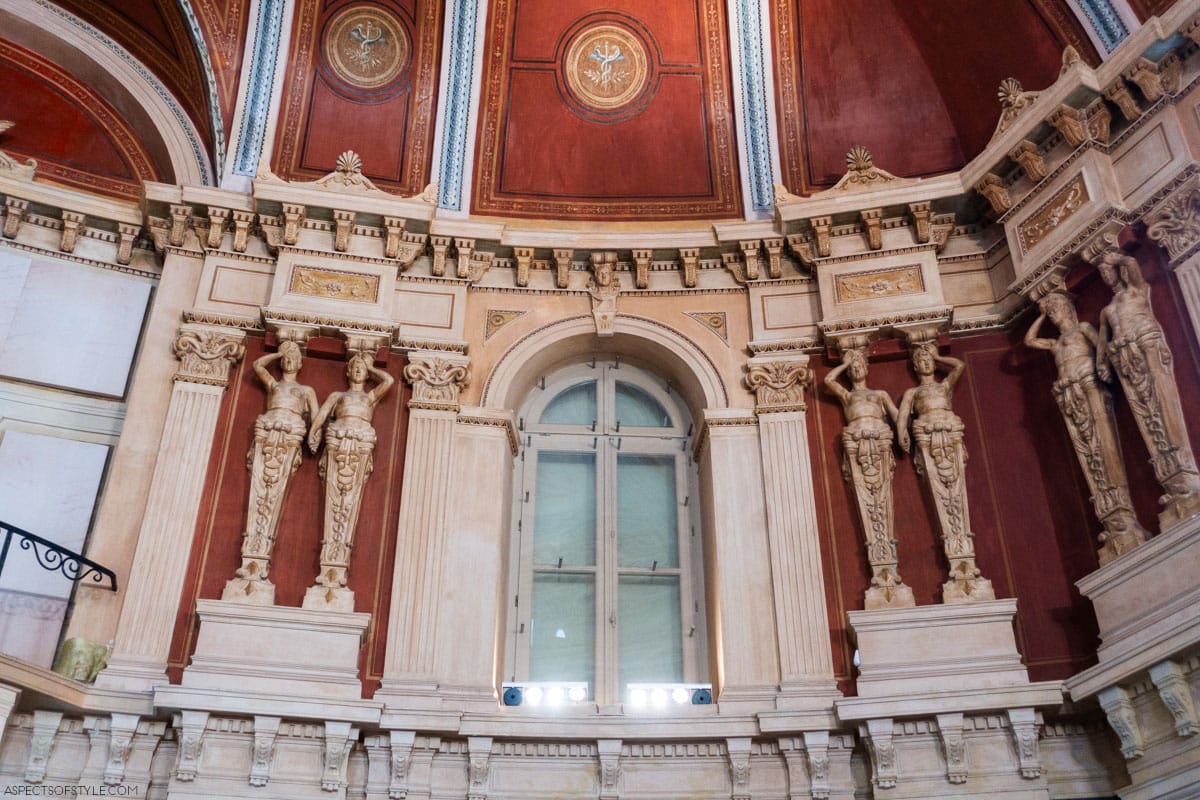
This is where the Athens Stock Market established its fourth headquarters in November 1891, in premises leased from Konstantinos Voultsos. It remained there until November 1934, when operations moved to the larger building at 10 Sofokleous Street. Now National Bank of Greece owns the Old (small) Stock Market’s building.
Architect Giannis Kizis carried out the restoration of the older building in 1997. Architecturally, it stands out for its rich decorative elements, both on the exterior and especially within its interiors, which follow the principles of eclecticism.
Greek Parliament Library – Former Public Tobacco Factory
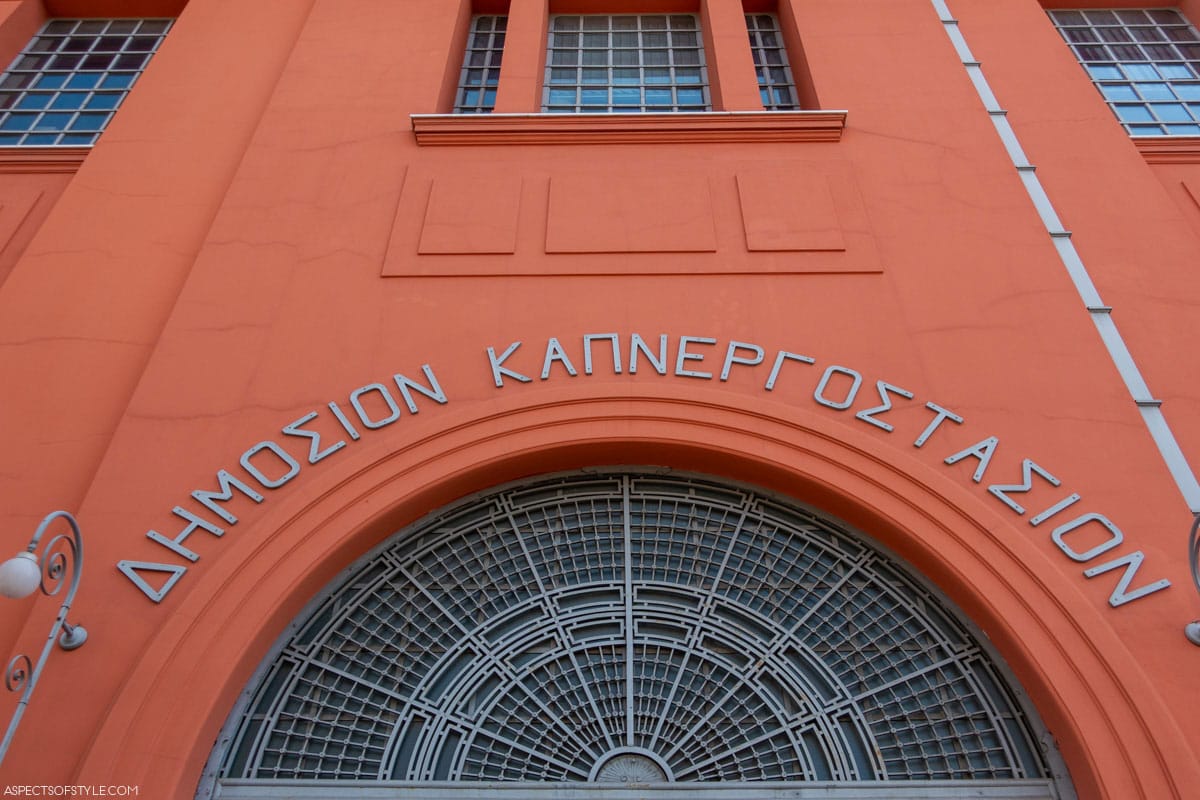
Among the most compelling historic buildings in Athens, the former Public Tobacco Factory stands out for the sheer number of lives and eras it has witnessed. In 1927, P. Athanasakis and A. Ligdopoulos designed the complex on Lenorman Street, completing construction in 1930. The state built it to centralize tobacco processing and taxation, one of its most significant sources of revenue.
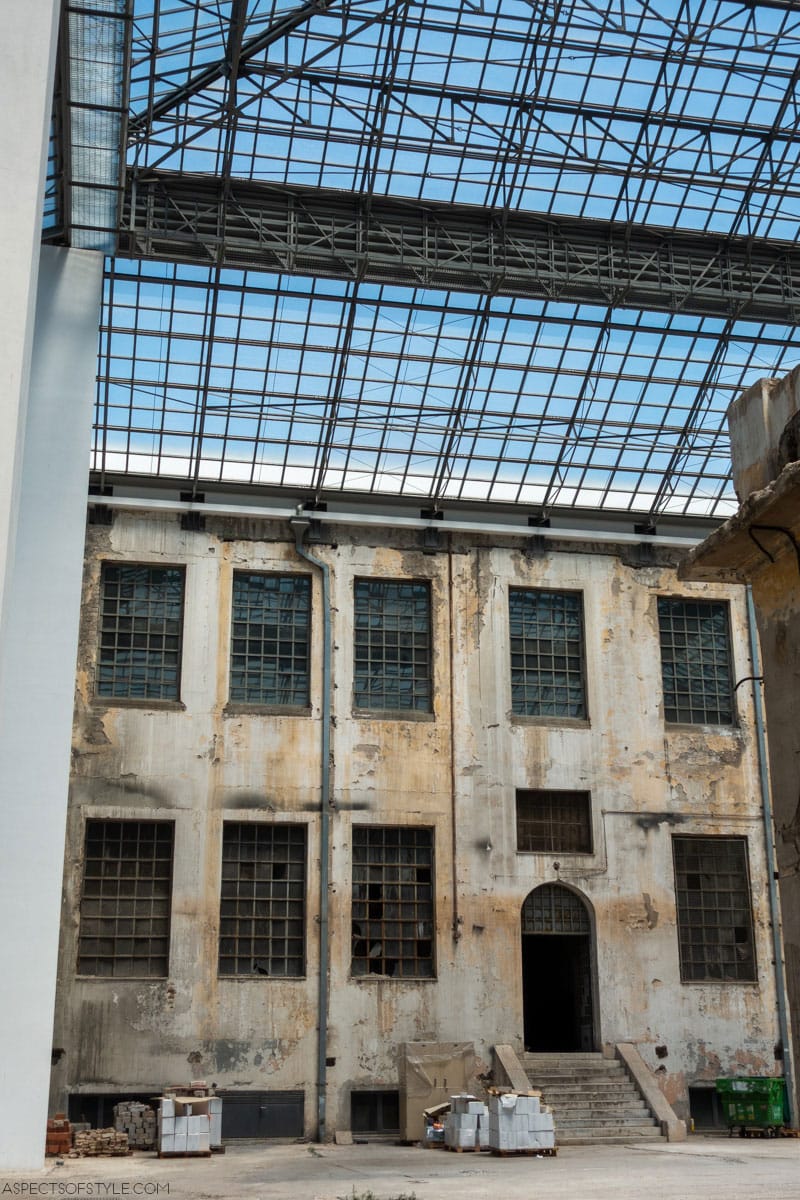
Architecturally, a vast central atrium defines the building, serving originally for loading and unloading goods. The first floor accommodated processing areas, the ground floor handled packaging, and the basement stored warehouse stock. For 65 years, 25 tobacco companies operated within the complex. Like many historic buildings in Athens, however, the country’s turbulent history gradually reshaped its role.
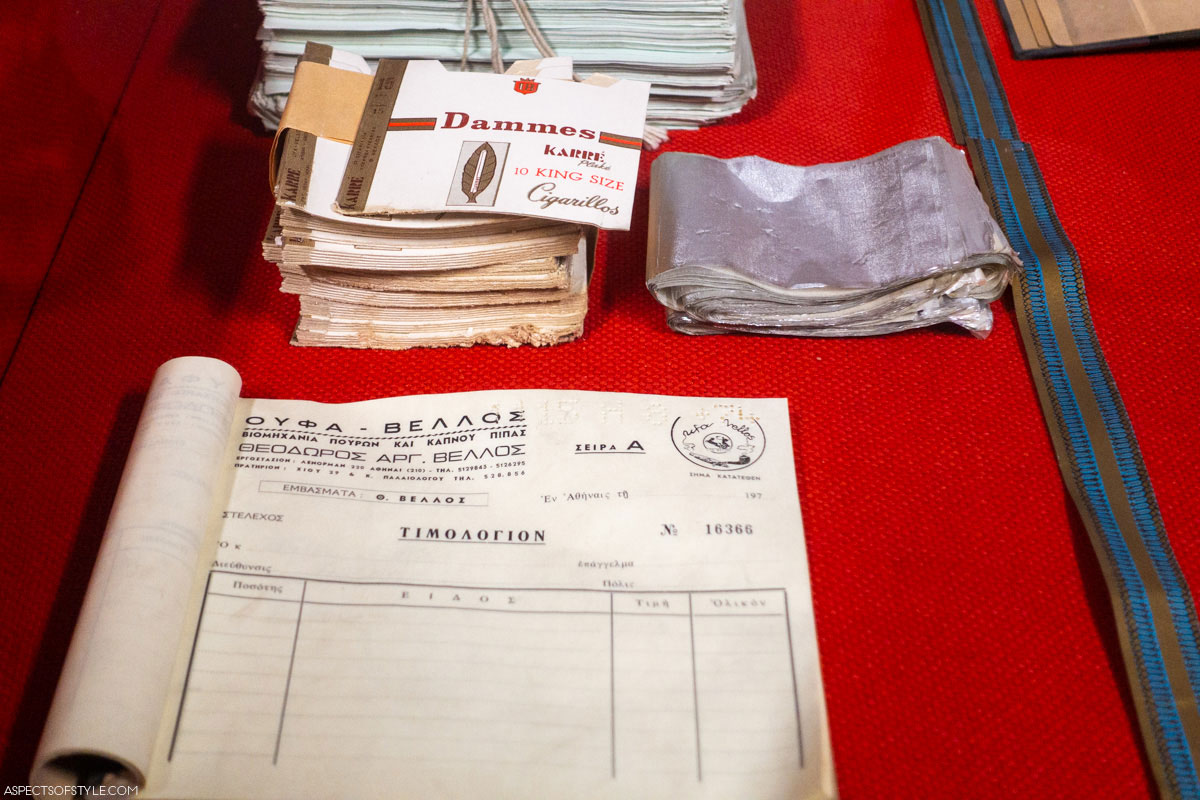
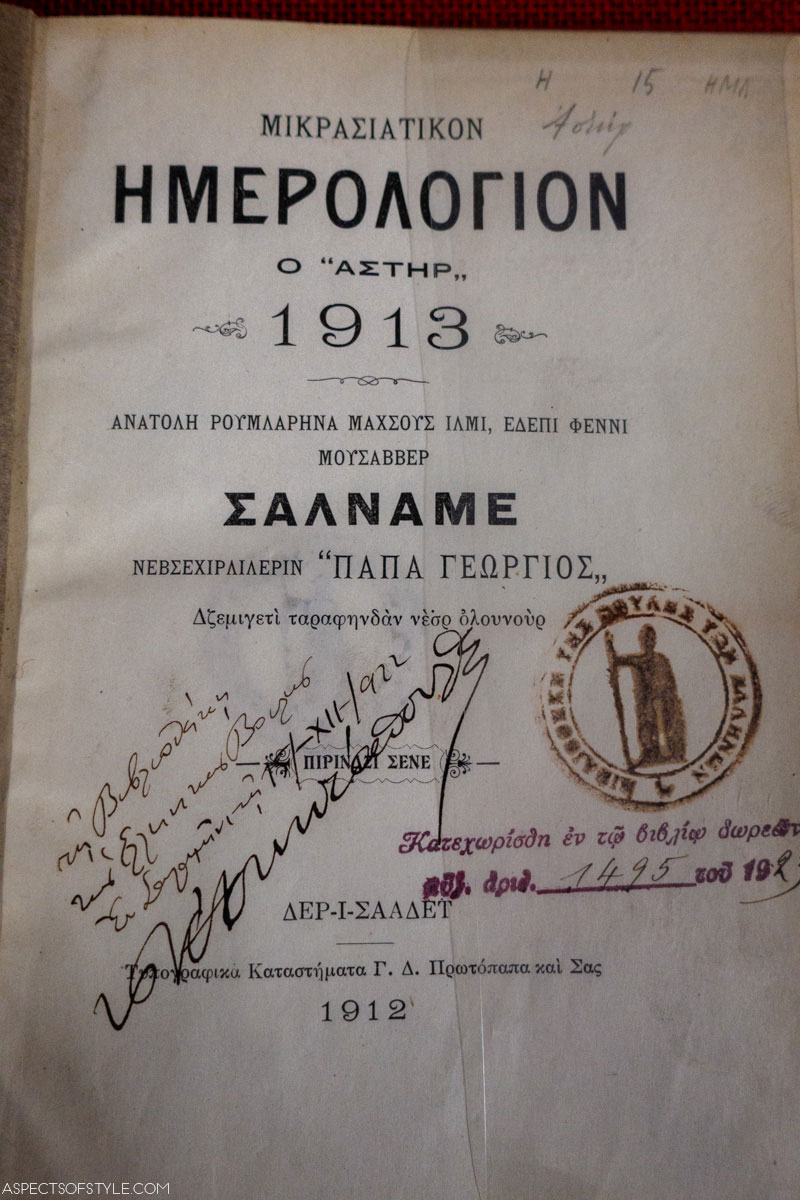
During World War II, the military used parts of the building. Under German occupation, it became a refuge, then a concentration camp and prison. In December 1944, it was occupied by ELAS groups. During the clashes that followed, British mortar fire heavily damaged the building . From 1948 to 1964, it functioned as a refugee care center for families displaced from Romania and Russia. In subsequent decades, various public services operated here. In 1989, the Ministry of Culture declared it a listed historical monument. Gradually, the Hellenic Parliament started using the building. Today, it houses part of the Parliament’s Library, originally founded in 1844.
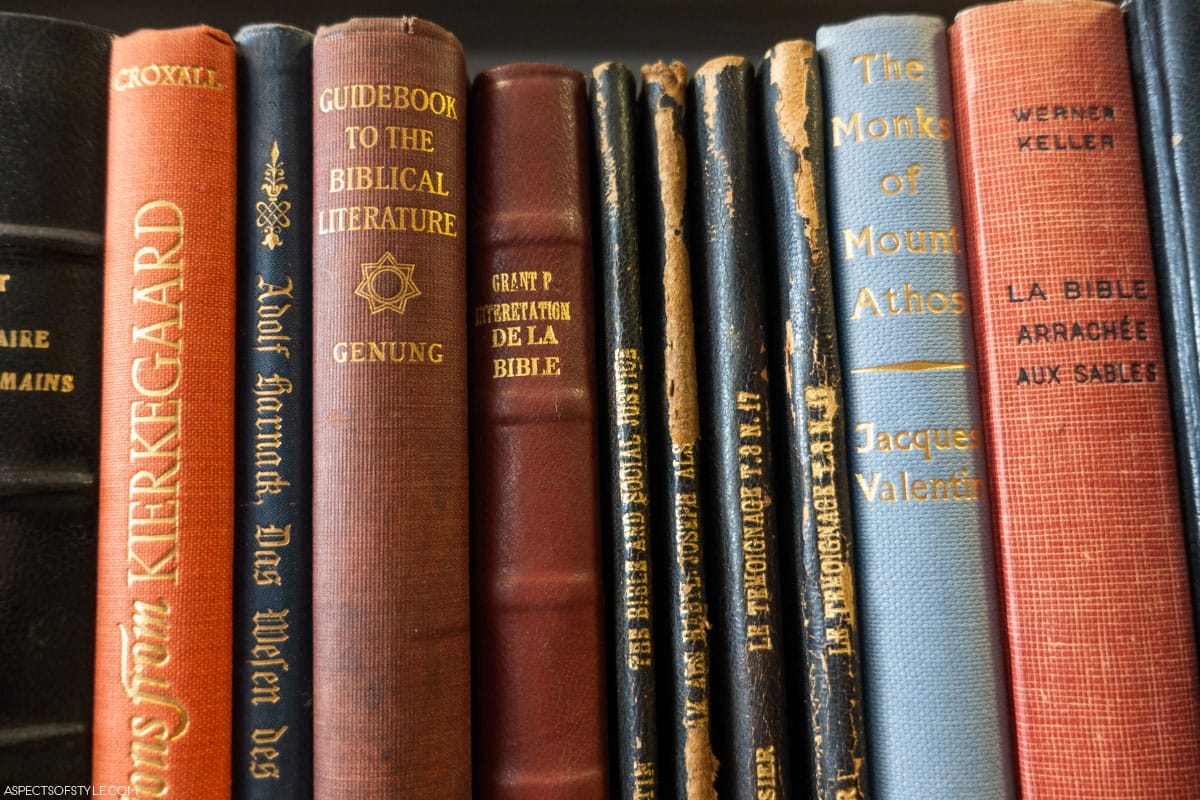
The oldest volume in its collection is a grammar book printed in 1476 in Vicenza, Erotimata by Emmanouil Chrysoloras. Few historic buildings in Athens carry such layered narratives: manufacturing, war, refuge, administration, and finally, knowledge.
Together, these historic buildings in Athens highlight the city’s architectural diversity and historical depth. Open House continues to offer access to places I would otherwise never see. That’s what keeps me going back every year. If you want to explore the buildings at your own pace, I’ve made a map for you!