 After exploring the First Cemetery of Athens during the Athens City Festival last year — a place where sculpture, memory, and history quietly coexist — I joined another festival tour that revealed a very different side of the city.
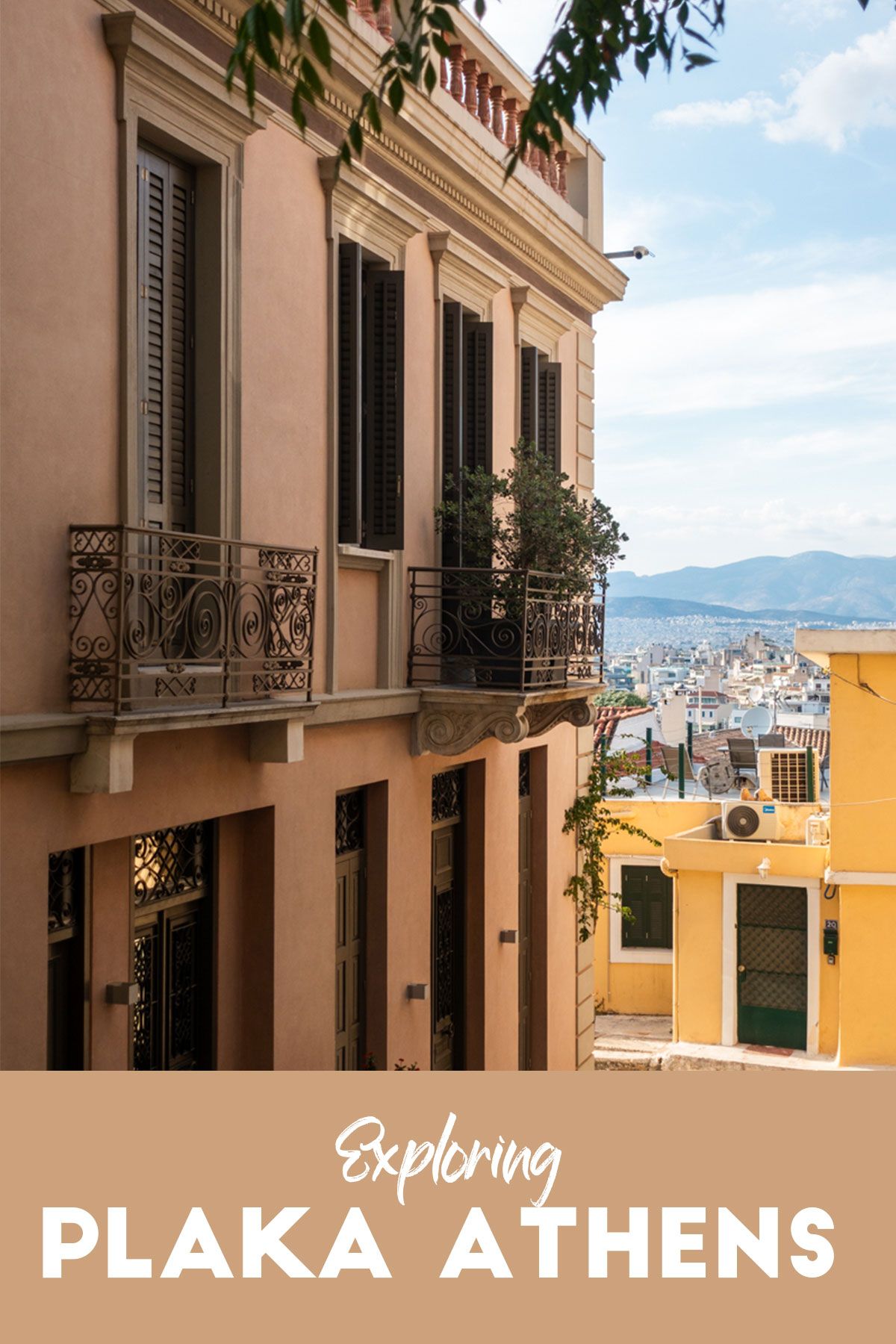
This time, the walk took place in Plaka, and revealed layers of history I would have easily walked past on my own. Our route connected ancient cult sites, Byzantine churches and stories from the Greek War of Independence.
Plaka may be one of the most visited neighborhoods in Athens, but this tour proved that even here, there are still layers waiting to be uncovered.
Metochion of the Holy Sepulchre
Our tour began at the corner of Prytaneiou and Erechtheos Streets, in front of the Metochion of the Holy Sepulchre. The street names themselves already point to deep antiquity: Erechtheus was a mythical king of Athens, while the Prytaneion in ancient times was a civic building that housed statues of Hestia and Eirene (Peace), along with an eternal flame from which colonists would take fire when founding new settlements.
Dimitrios Kolokinthis built the monastery complex here in the early 17th century, by Dimitrios Kolokinthis. Its later belfry was designed as a nod to ancient Athens. In antiquity, this area was home to a sanctuary of Aphrodite. Interestingly enough, in Jerusalem, the Church of the Holy Sepulchre was also built over a former sanctuary of Aphrodite — a symbolic parallel that adds another historical layer to the site.
Chrysokastriotissa Church
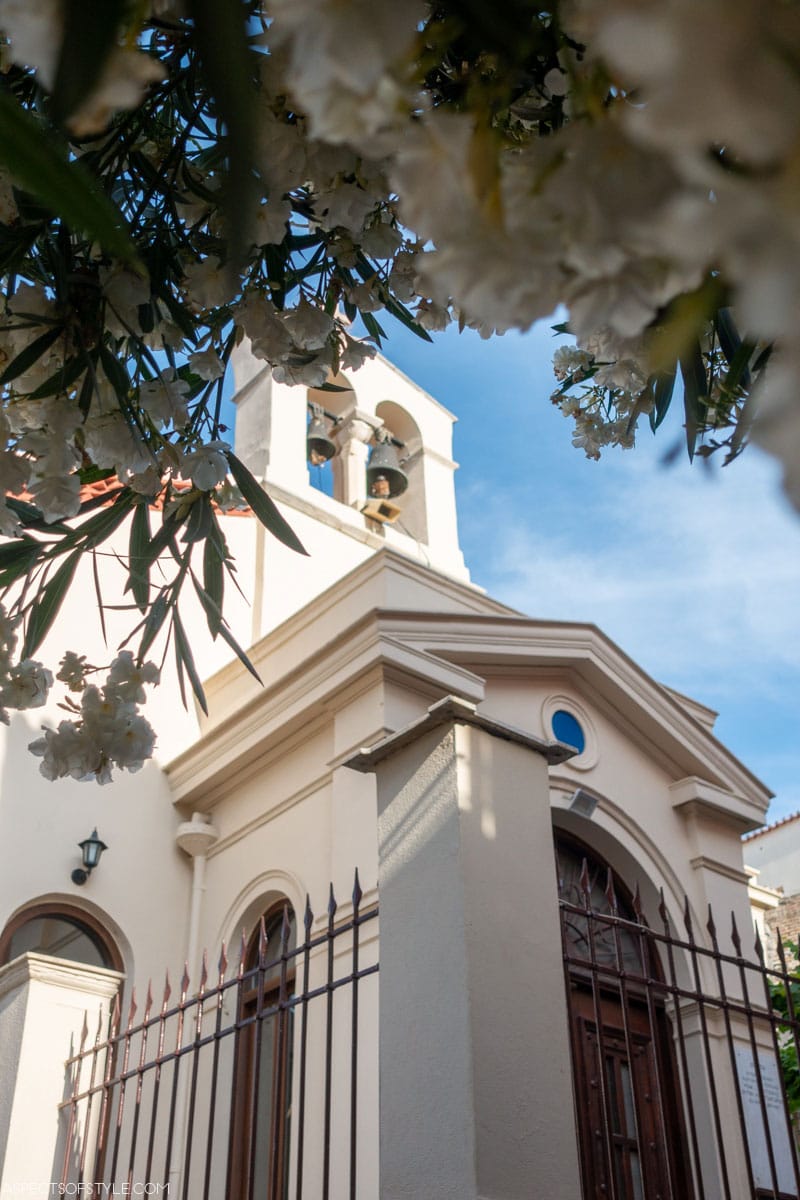
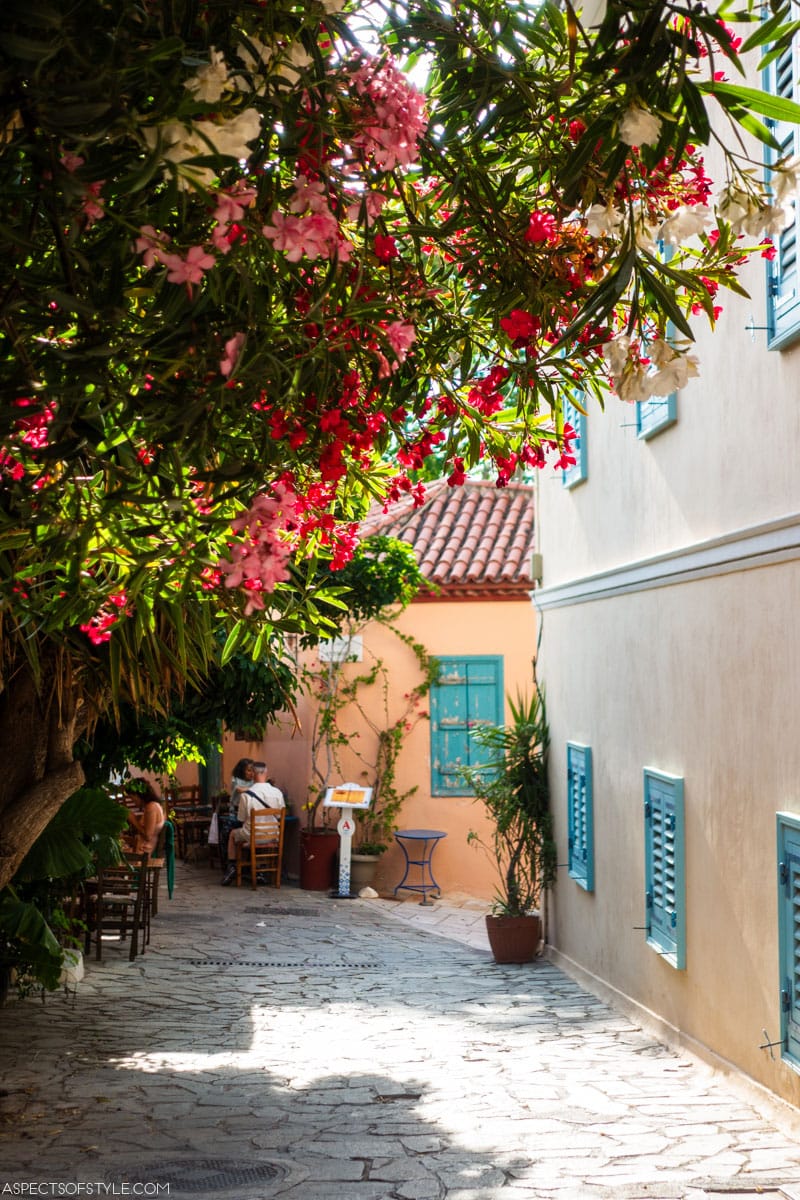
We continued to the small but historic Church of Panagia Chrysokastriotissa. After the Frankish conquest of Athens, tradition says the icon of Panagia Athiniotissa was moved here from the Acropolis. Panagia Athiniotissa was the name given to the Parthenon when it was converted to an Orthodox church.
The name Chrysokastriotissa means “She of the Golden Castle,” referring to the Acropolis. Why “golden”? There are several theories: it may relate to the gold-and-ivory statue of Athena once housed in the Parthenon, or to the Pentelic marble, which takes on a golden hue at sunrise.
The church entrance features a broken pediment, a decorative architectural element favored in Roman times — a small detail that reflects how different historical periods overlap in Athenian monuments.
Related: Exploring hidden courtyards of Athens
The First Building of the University of Athens
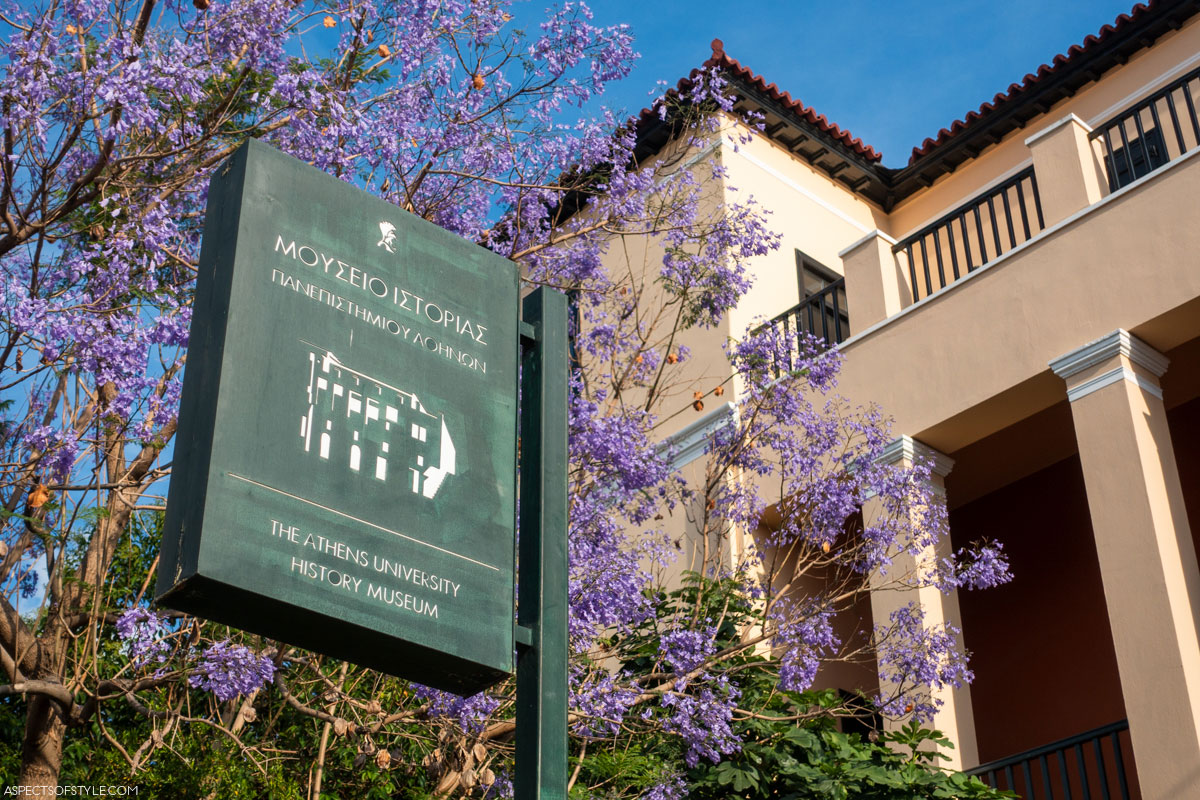
Our walk then led us to Tholou Street and the so-called Kleanthis House. Architects Stamatios Kleanthis and Eduard Schaubert purchased this Ottoman-era residence was purchased in the 1830s. Kleanthis and Schaubert were those who designed Athens’ first modern city plan after independence.
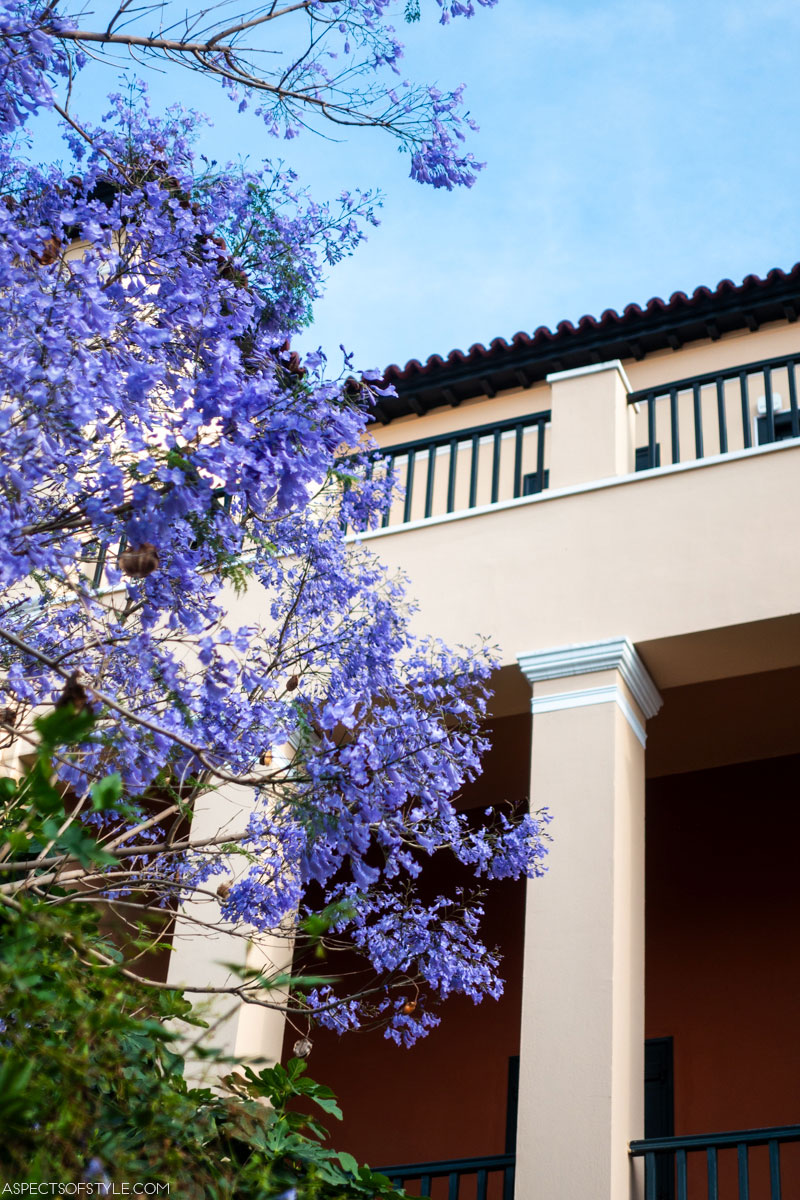
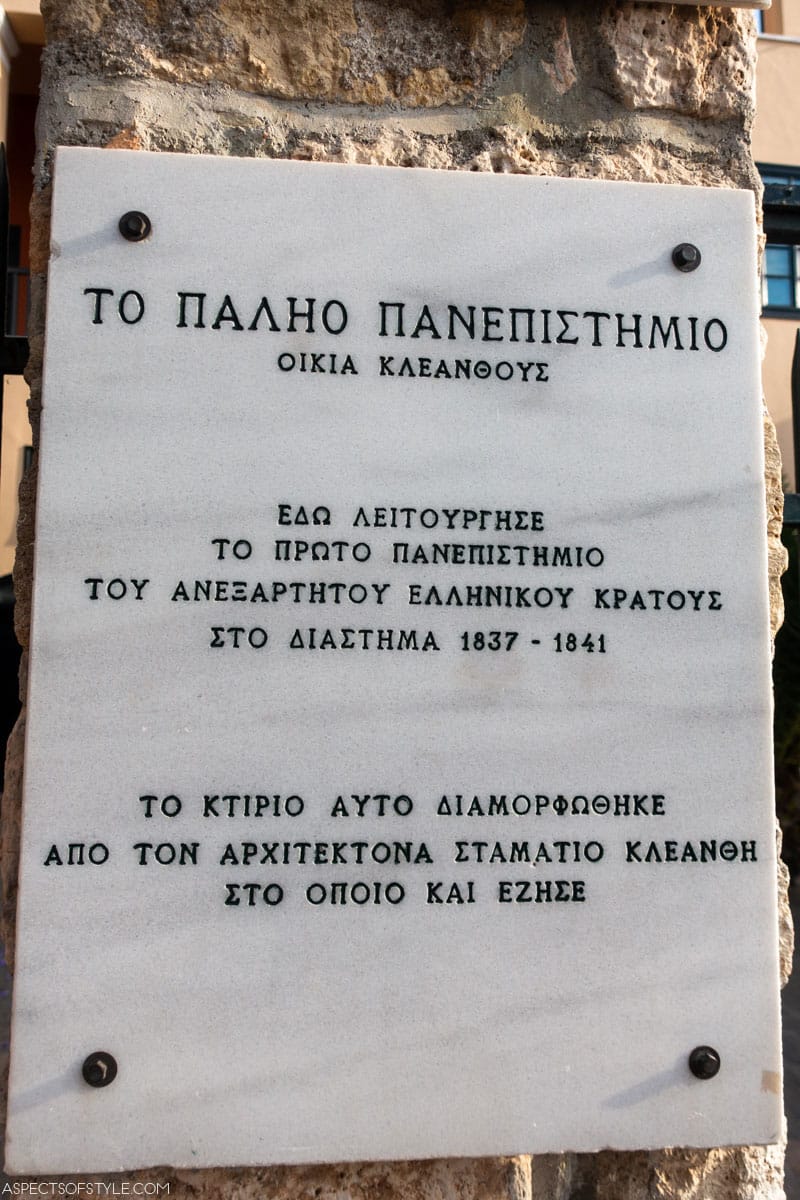
Between 1837 and 1841, this building housed the University of Athens, making it the university’s very first home. Today, it operates as a museum dedicated to the history of the institution. You can find more information on visiting hours and ticket prices on their website. The particular information is available in Greek, but it’s easy to translate.
In the courtyard stands a beautiful jacaranda tree. Native to Latin America, jacarandas were introduced to Athens by Queen Amalia’s gardener when landscaping the Royal (now National) Garden — another small (botanical) link to the city’s 19th-century transformation.
Church of the Transfiguration of the Savior (Metamorfosis tou Sotiros)
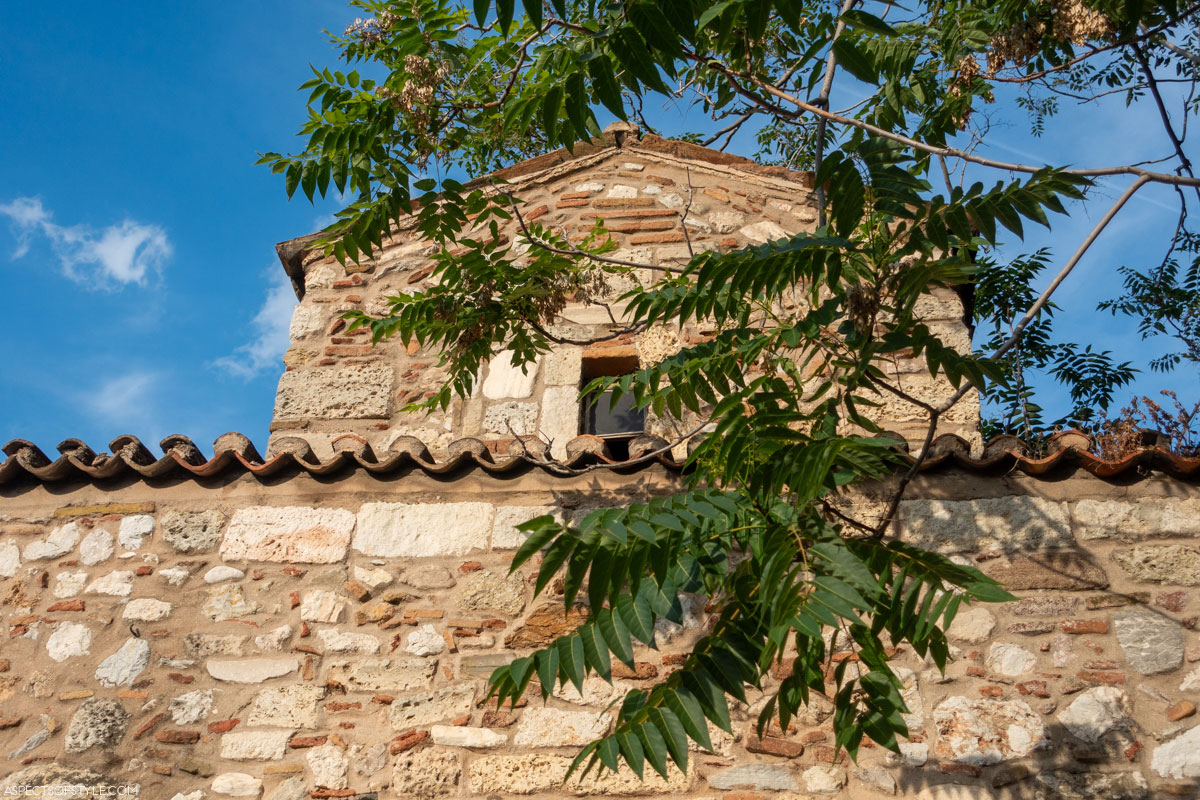
This 12th-century Byzantine church incorporates construction materials from even older structures. It is also connected to a dramatic episode from the Greek War of Independence: the hero Odysseas Androutsos was murdered in June 1825 and thrown from the Acropolis. He was later buried in the church’s courtyard, tying the monument to Greece’s modern history.
Anafiotika
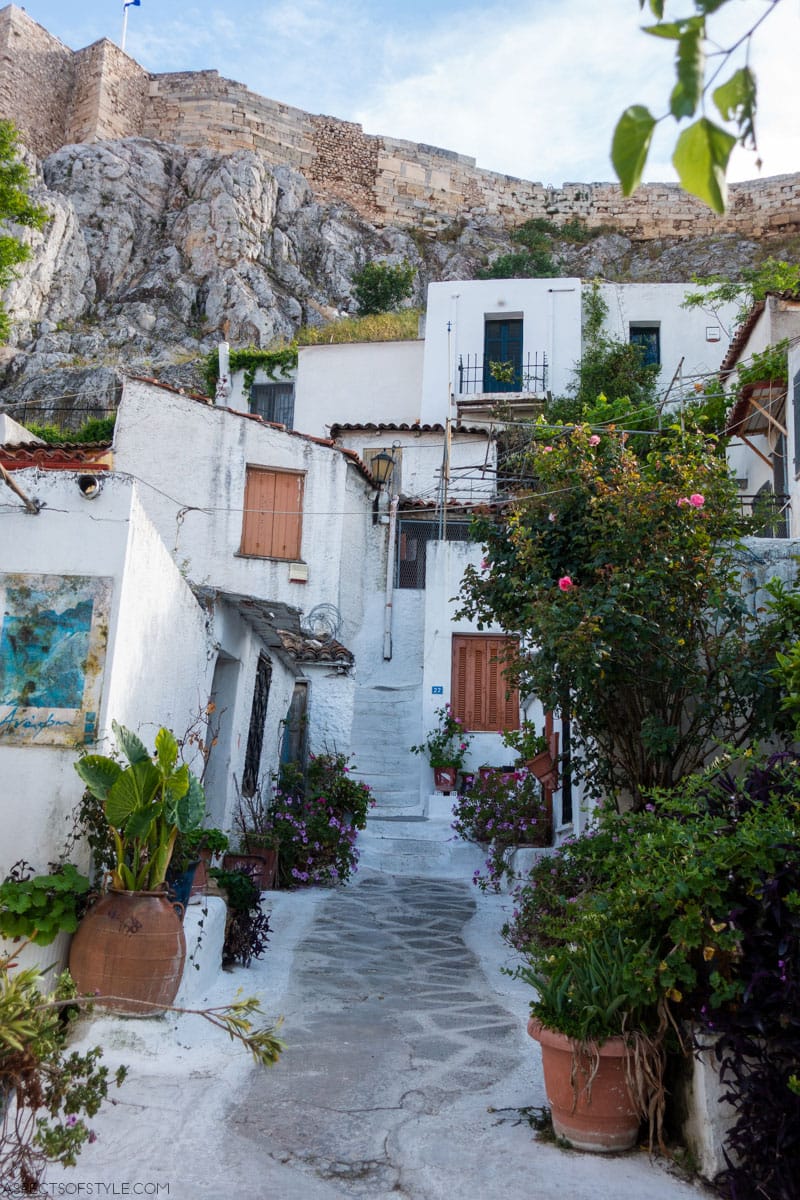
From there, we entered Anafiotika, the tiny, island-like neighborhood clinging to the northern slope of the Acropolis. Workers from Anafi built the neighborhood in the 19th century by workers from the island of Anafi. They came to Athens to help construct the Royal Palace and other public buildings.
Originally living in Neapolis, they moved when rents rose and began building houses on the Acropolis slopes — secretly overnight. Over time, a small, irregular settlement formed. Though technically informal, many of the houses remained because they were already standing before authorities could intervene.
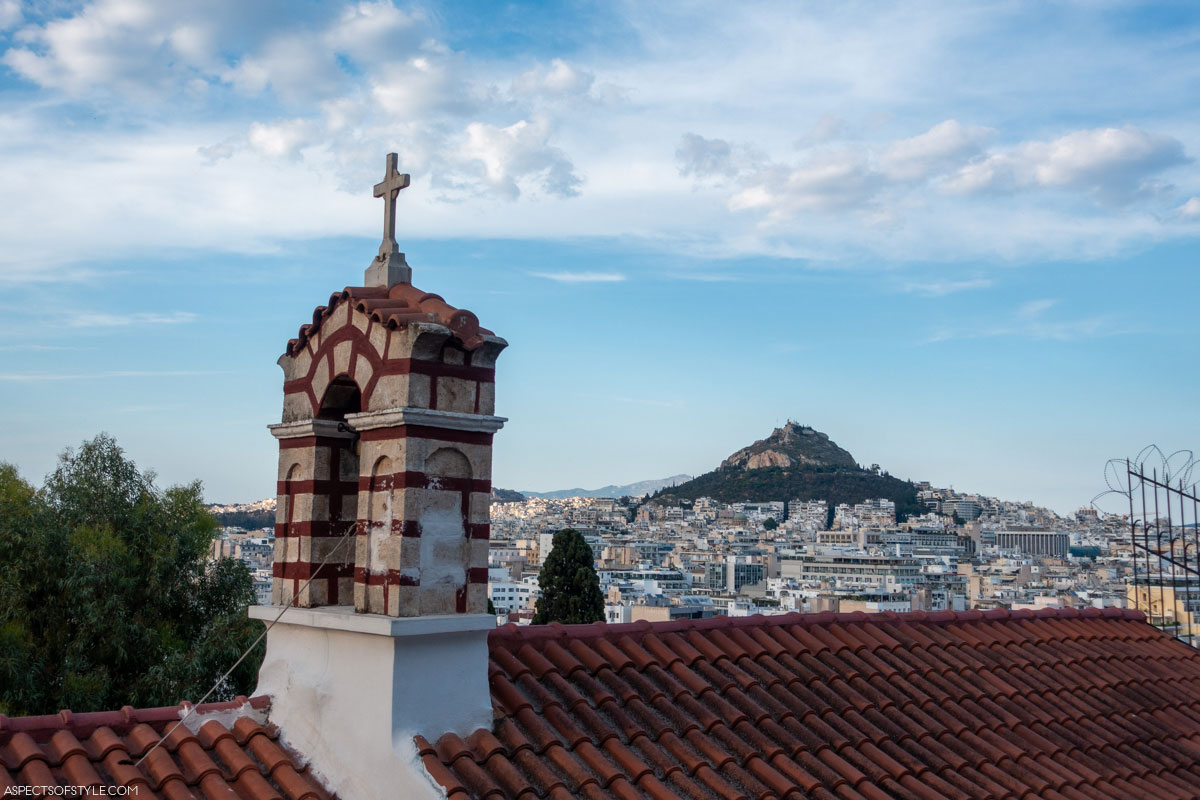
Some homes were demolished during archaeological excavations in the 1950s and again in the 1980s to reveal ancient pathways, but about 45 houses survive today, preserving the whitewashed, cubic style typical of the Cycladic islands — a striking contrast to the neoclassical architecture of the rest of Plaka.
Church of Saint Nicholas Ragava
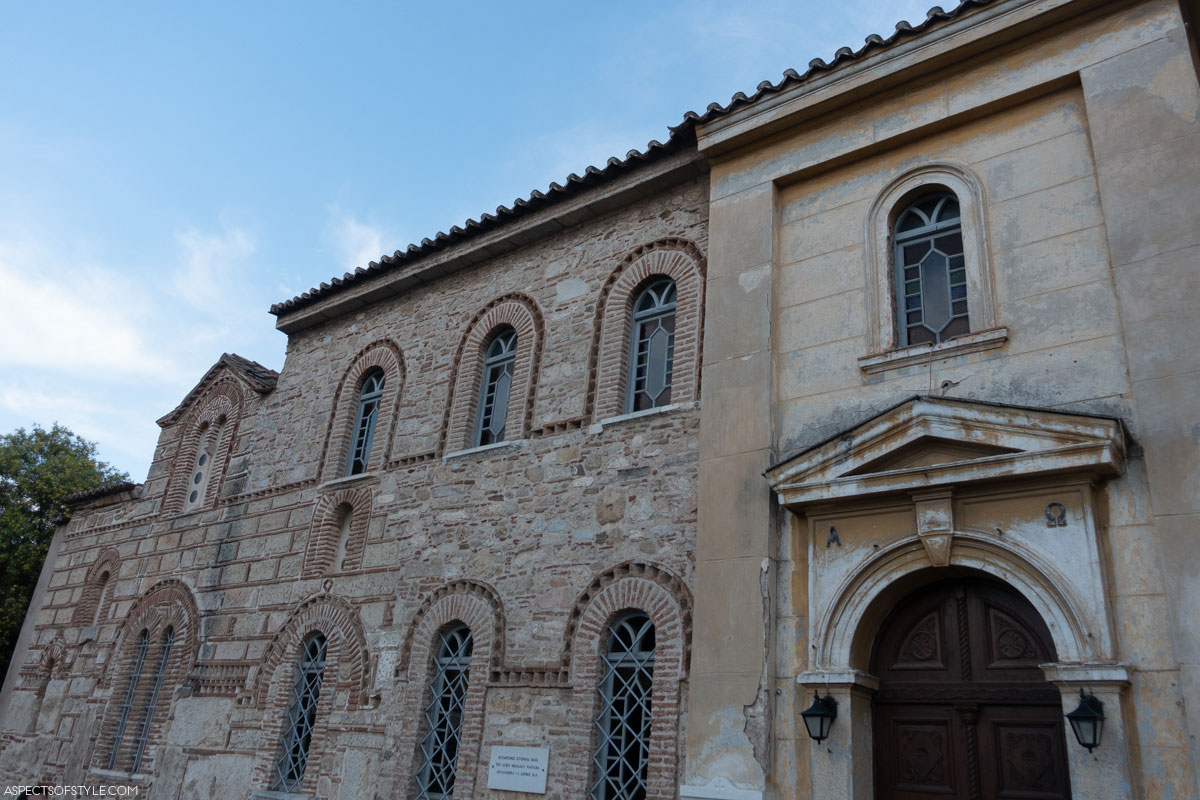
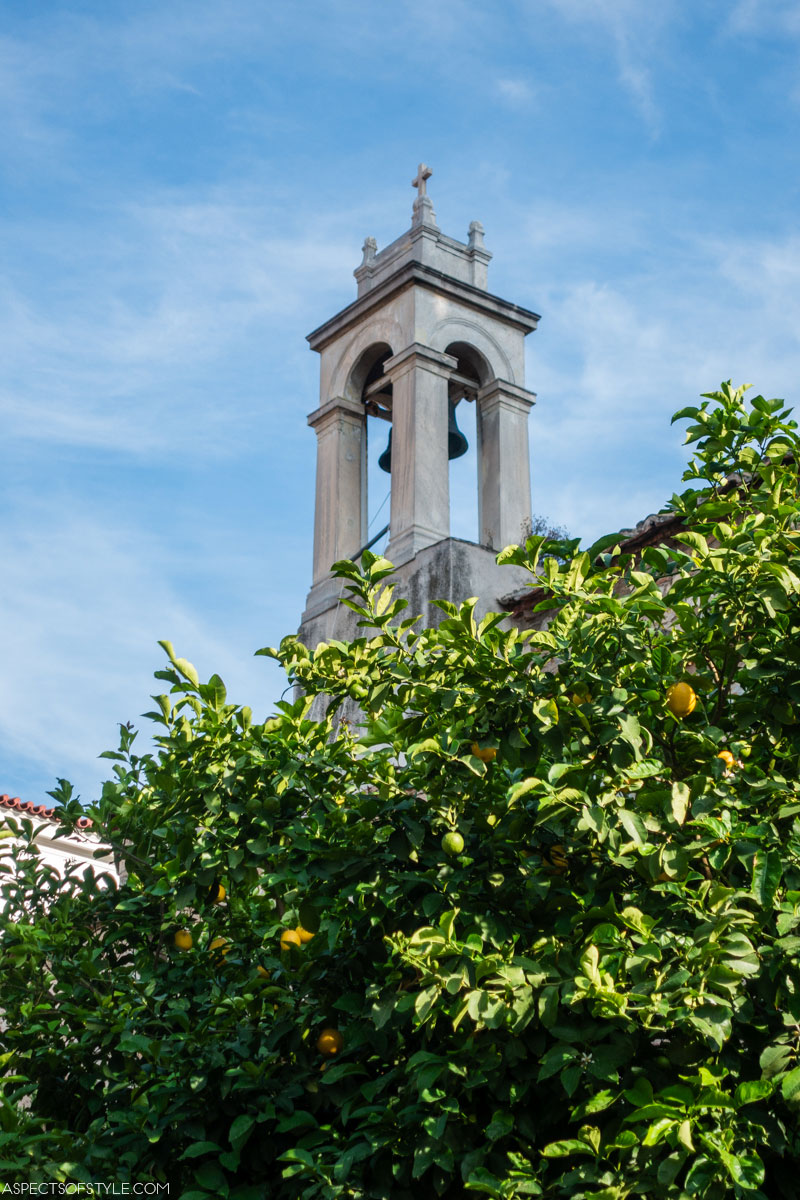
Our final stop was the Church of Saint Nicholas Ragava, originally dating to the 11th century. Over time, it underwent several additions and modifications, including the later pediment on its façade.
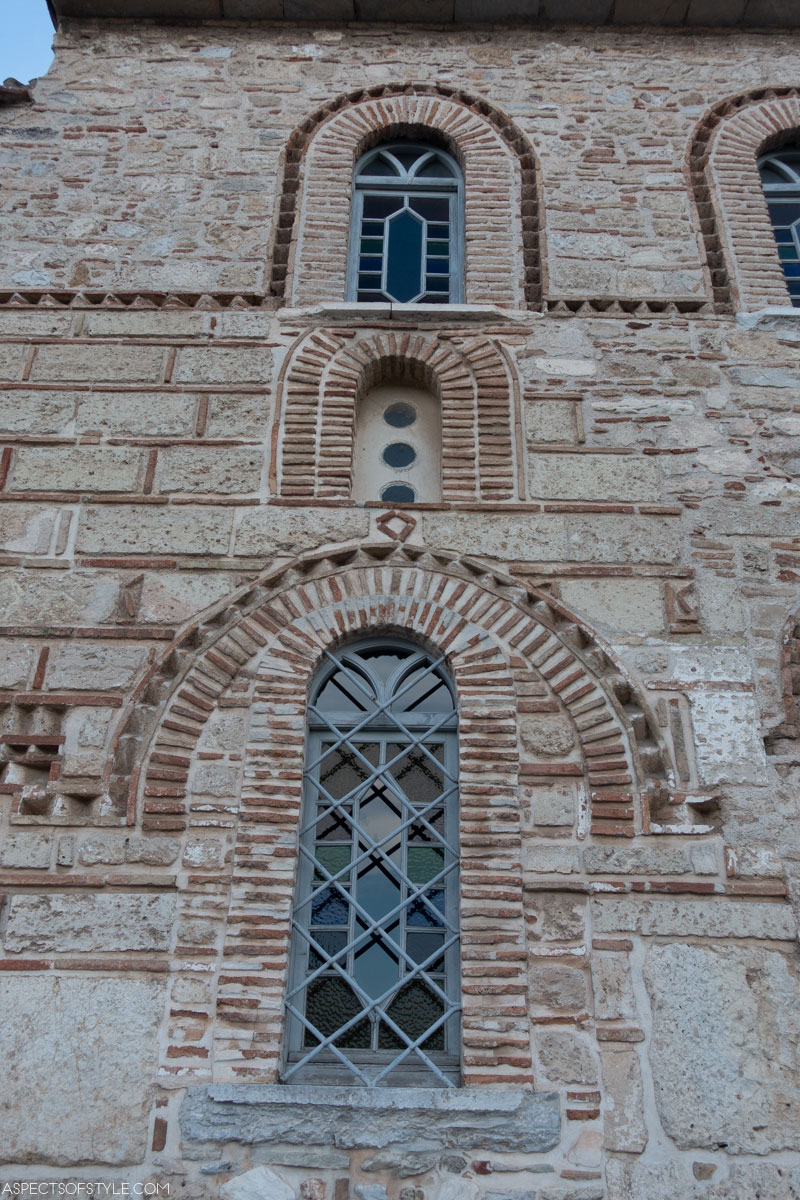
Inside hangs a bell cast in Venice, said to be the first bell to ring in Athens after key historical moments: the end of the Greek War of Independence, the arrival of King Otto, and the liberation of the city from the Germans in 1944. It was a powerful place to end the tour — a small church that quietly witnessed centuries of Athenian history.
This walk through Plaka, with a knowledgeable guide, showed me a different side of one of Athens’ most visited neighborhoods. Between churches, old houses, and tiny streets, history appears in unexpected places — often hidden in plain sight. Having the stories behind the buildings completely changes the experience of wandering here on your own.
Want to keep exploring Athens? Don’t miss my posts on the old commercial center, courtyards in Athens and modern hidden spots!