Lasithi is the easternmost part of Crete.It may be famous for its luxurious resorts (hello, Elounda!), but there’s so much more to discover — from untouched beaches and wild landscapes to quiet mountain villages.
Over the past six years, I’ve explored this part of Crete on and off. So, I thought it was about time to share a guide — not just to the well-known cities, but also to the small villages, historical sites, beaches, and of course, the tavernas that make Lasithi so special.
Main Cities of Lasithi
Agios Nikolaos
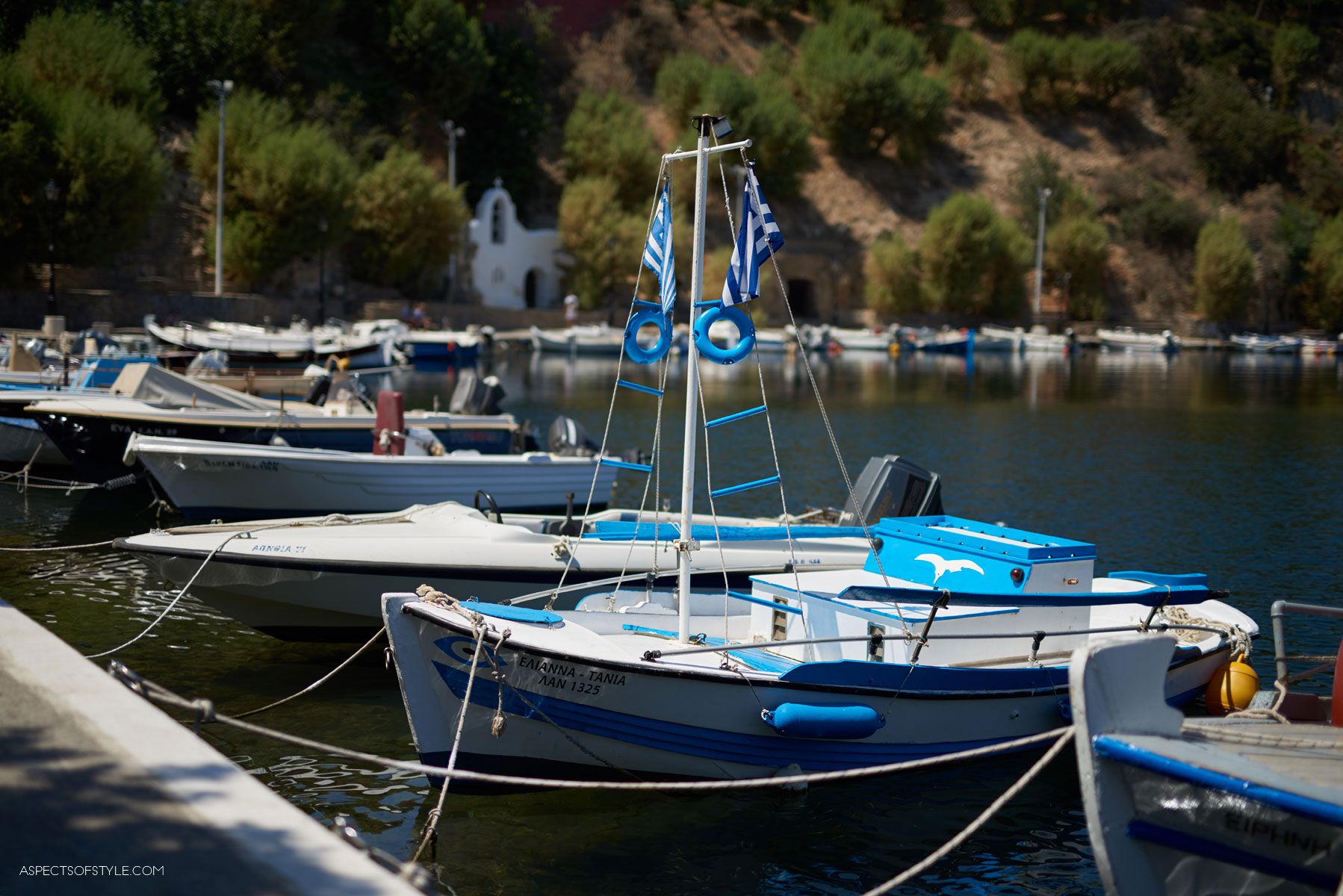
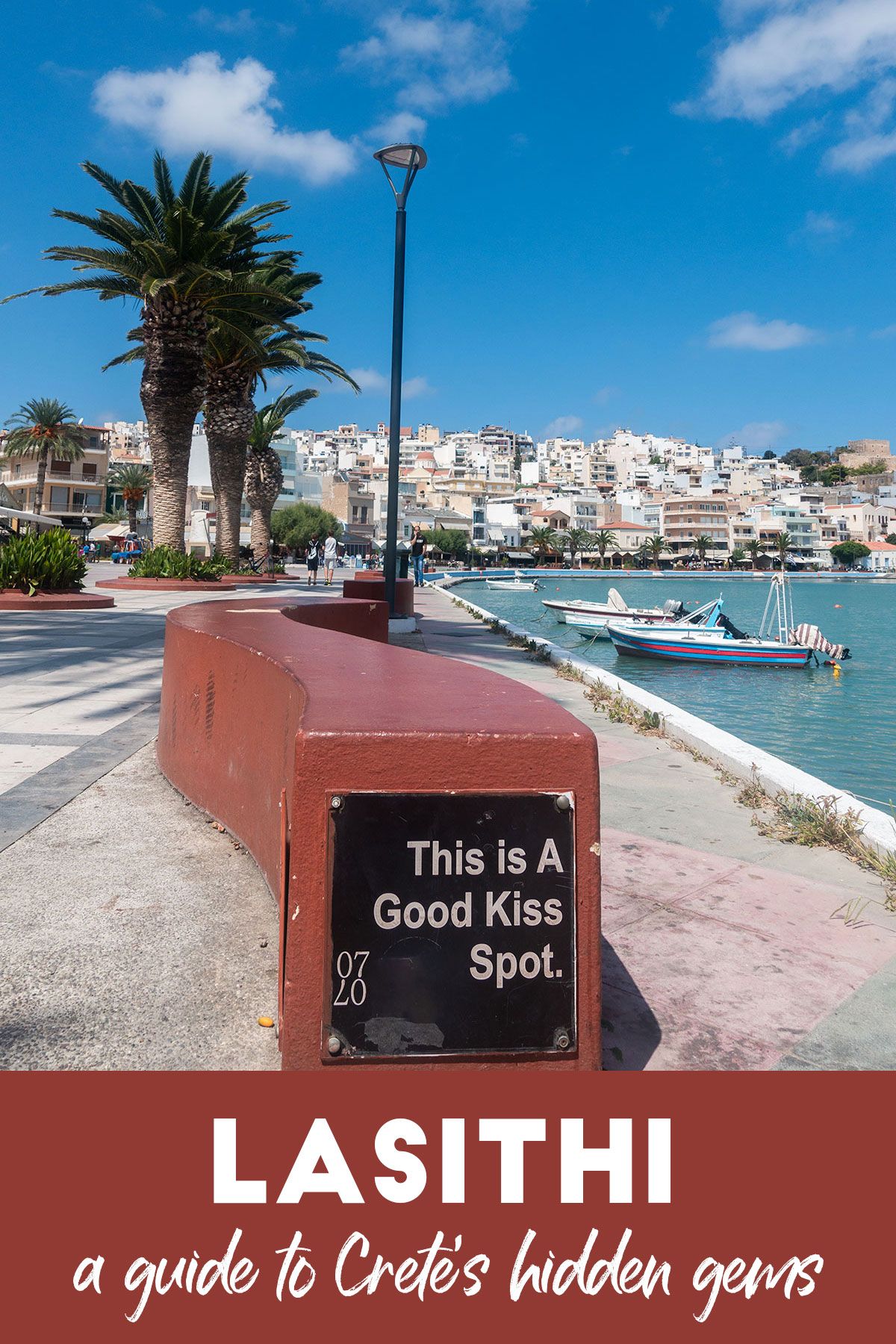
Agios Nikolaos is the main city of the region — lively yet more relaxed than Crete’s larger urban centers. Its most famous landmark is Lake Voulismeni, once a cave whose roof collapsed thousands of years ago. Today, the lake sits at the heart of the city, surrounded by cafés and restaurants. The seaside promenade and nearby beaches are a perfect spot for a leisurely stroll. Agios Nikolaos also makes a great base for exploring the Mirabello Bay area and its surrounding villages — more on those later.
Related: Crete Road Trip: Heraklion to Ierapetra
Sitia
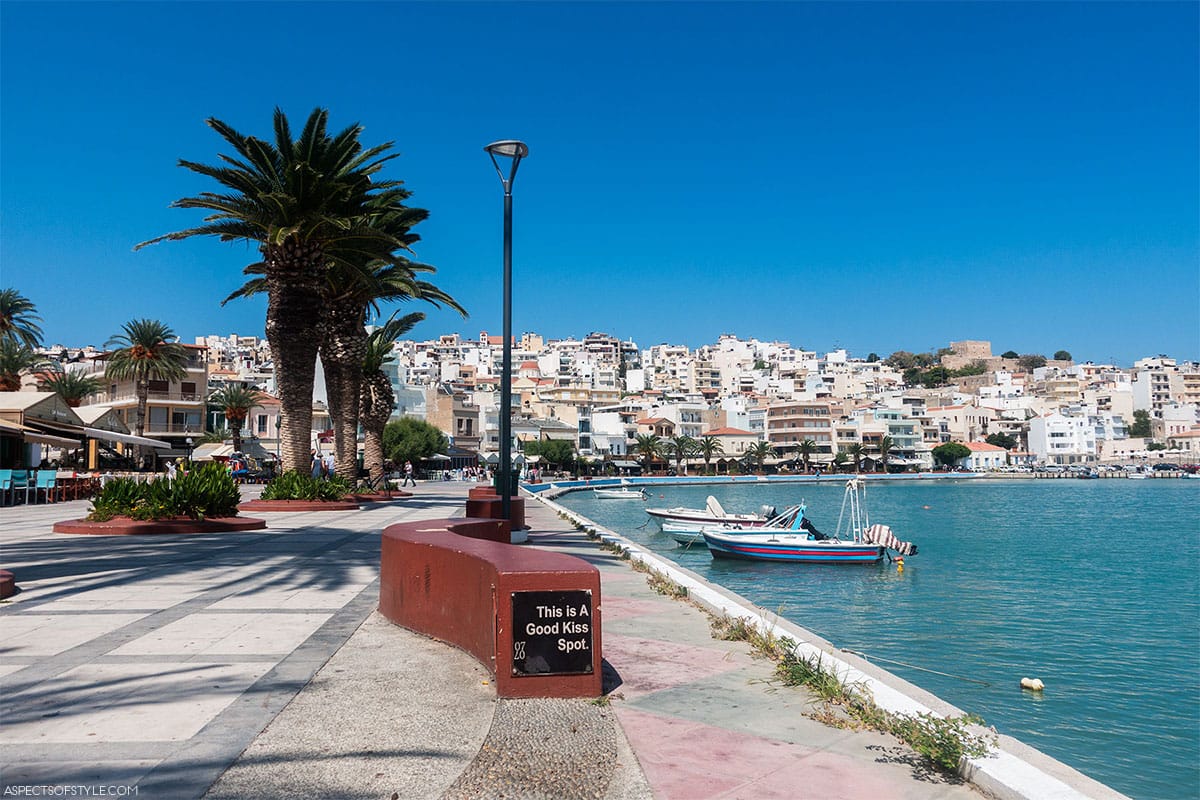
On the island’s eastern edge lies Sitia, a small coastal city with a laid-back atmosphere and a beautiful seafront promenade. Overlooking the town is a Venetian fortress. While Sitia itself is compact, it’s an excellent starting point for exploring nearby villages, monasteries, and archaeological sites.
Ierapetra
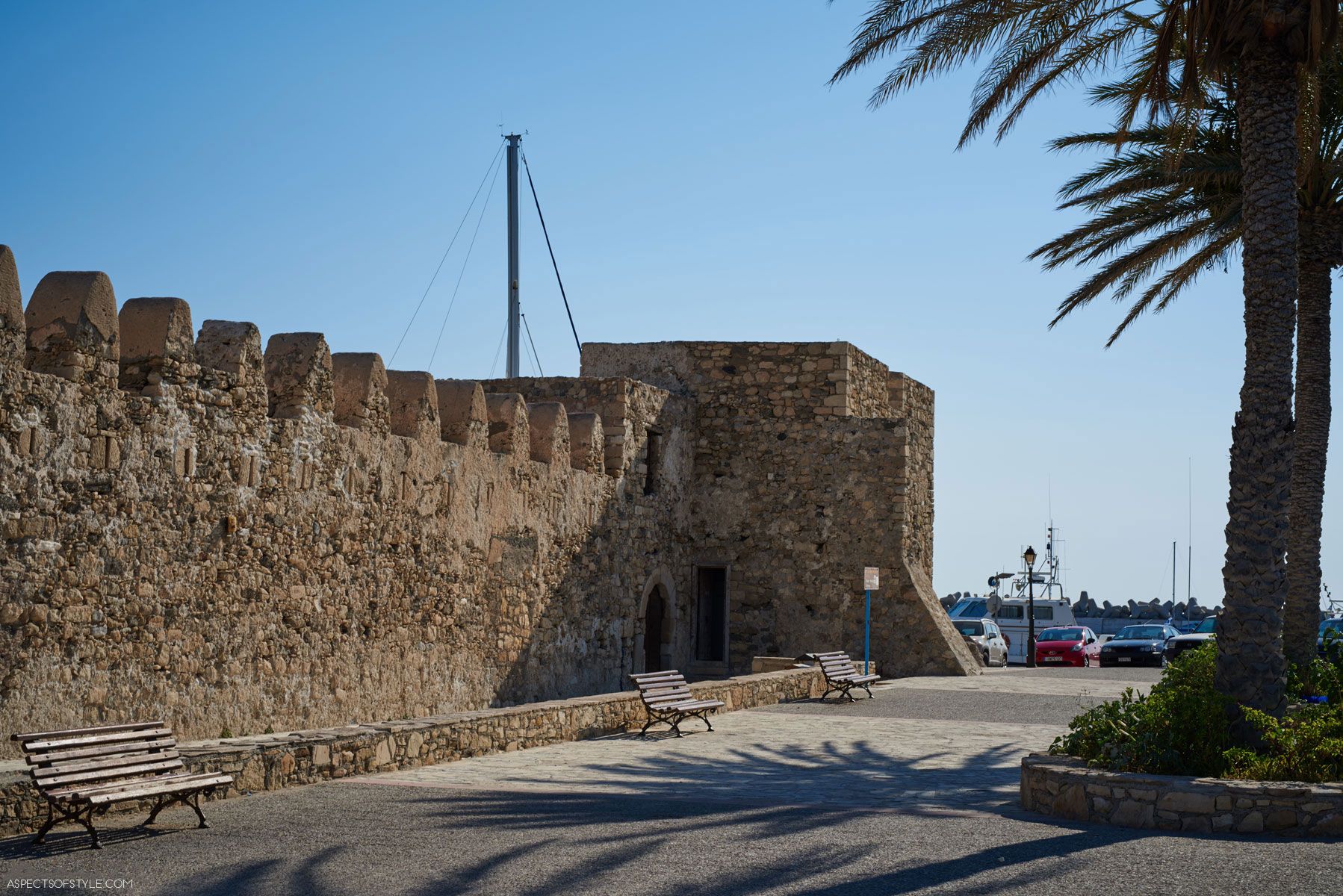
Further south, Ierapetra holds the title of both Crete’s and Europe’s southernmost city. With its long promenade, quiet beaches, and small fortress by the sea, it’s a peaceful stopover before heading east to the more remote beaches along the southern coast.
Mirabello Villages
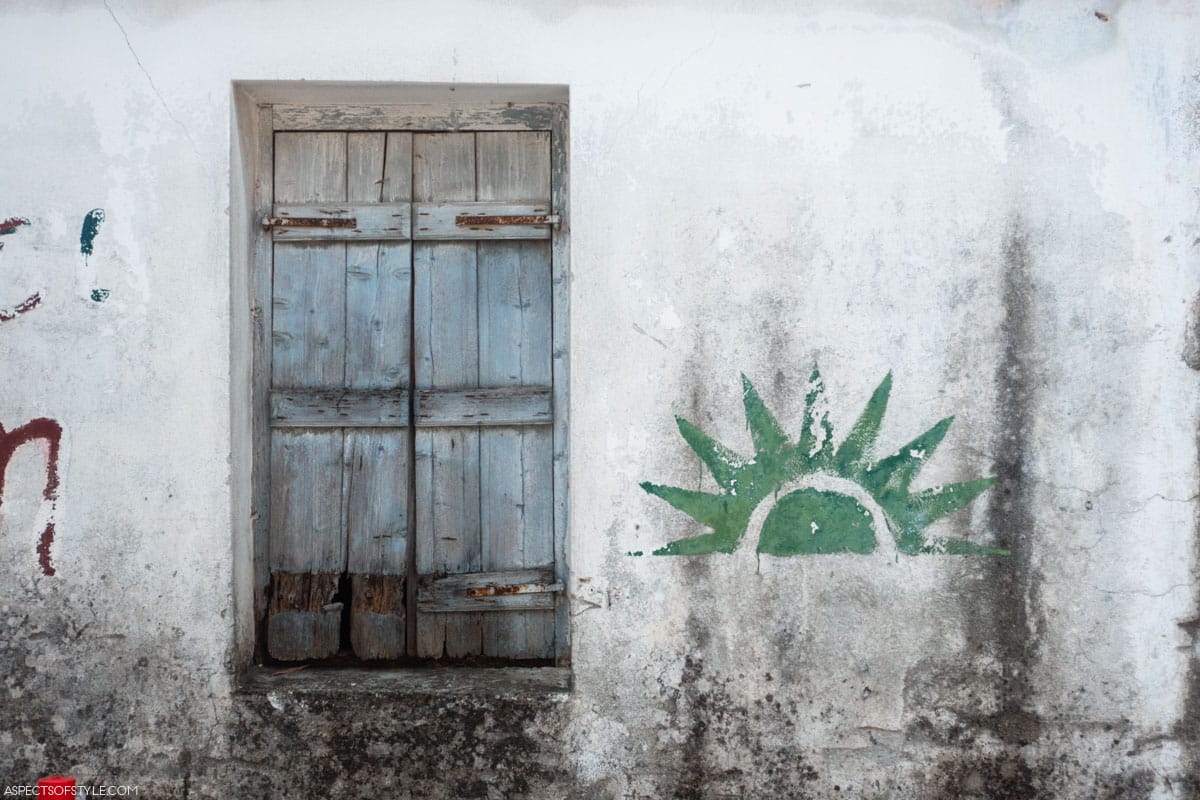
As much as I love exploring big cities, I enjoy wandering around picturesque villages even more— and the Mirabello region has some charming ones.
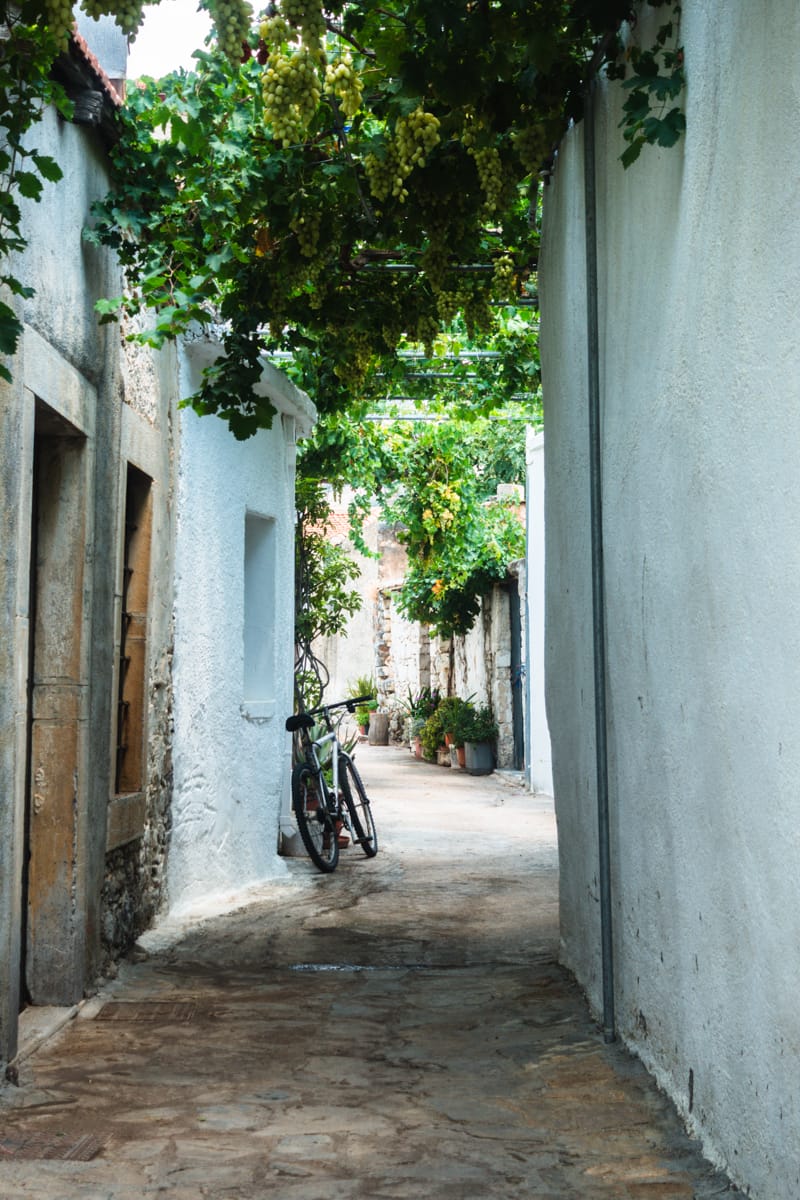
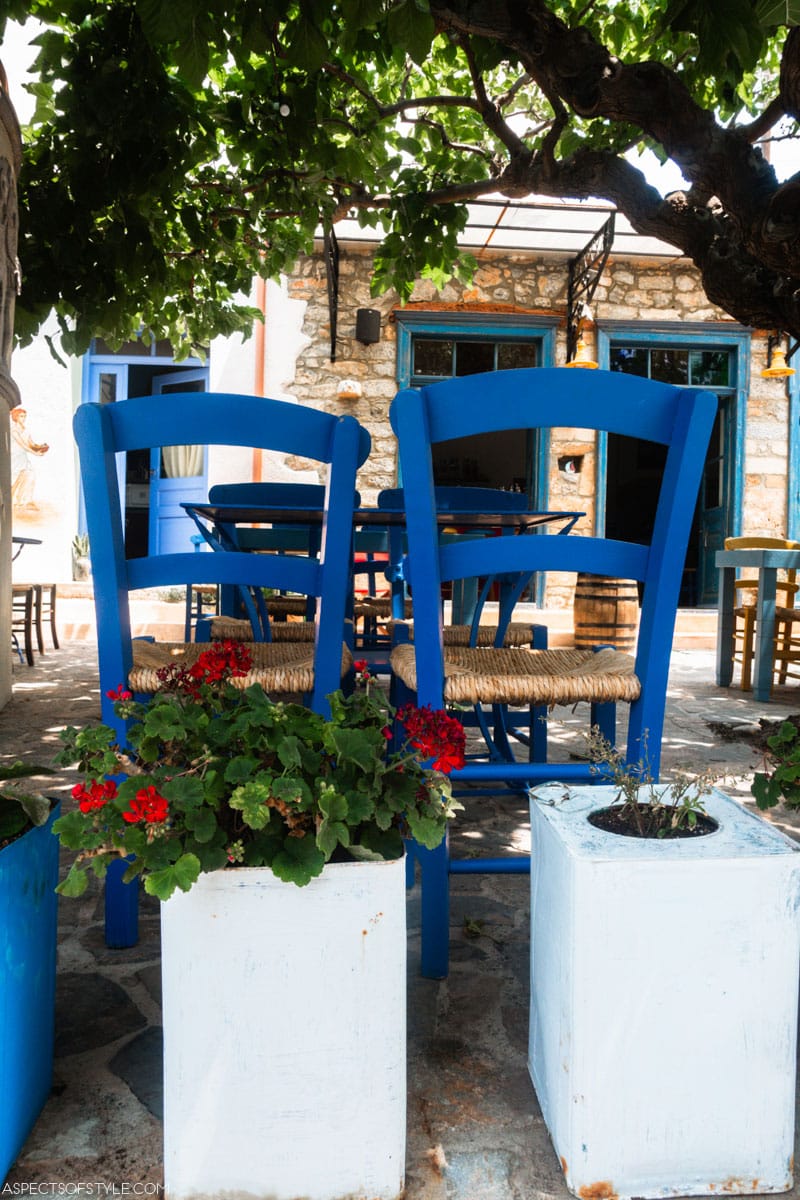
A few years ago, I came across an article in Aegean Airlines’ magazine about Mirabello’s villages, and it instantly inspired me to visit them. On our way to Daios Cove, we stopped at Kastelli and Fourni — two traditional settlements that still bear traces of the Venetian era. Both lie on the rural road connecting Neapoli with Plaka and Elounda. Fourni, in particular, is a lovely maze of narrow alleys, with a cozy tavern called Platanos that’s perfect for a meal under the trees.
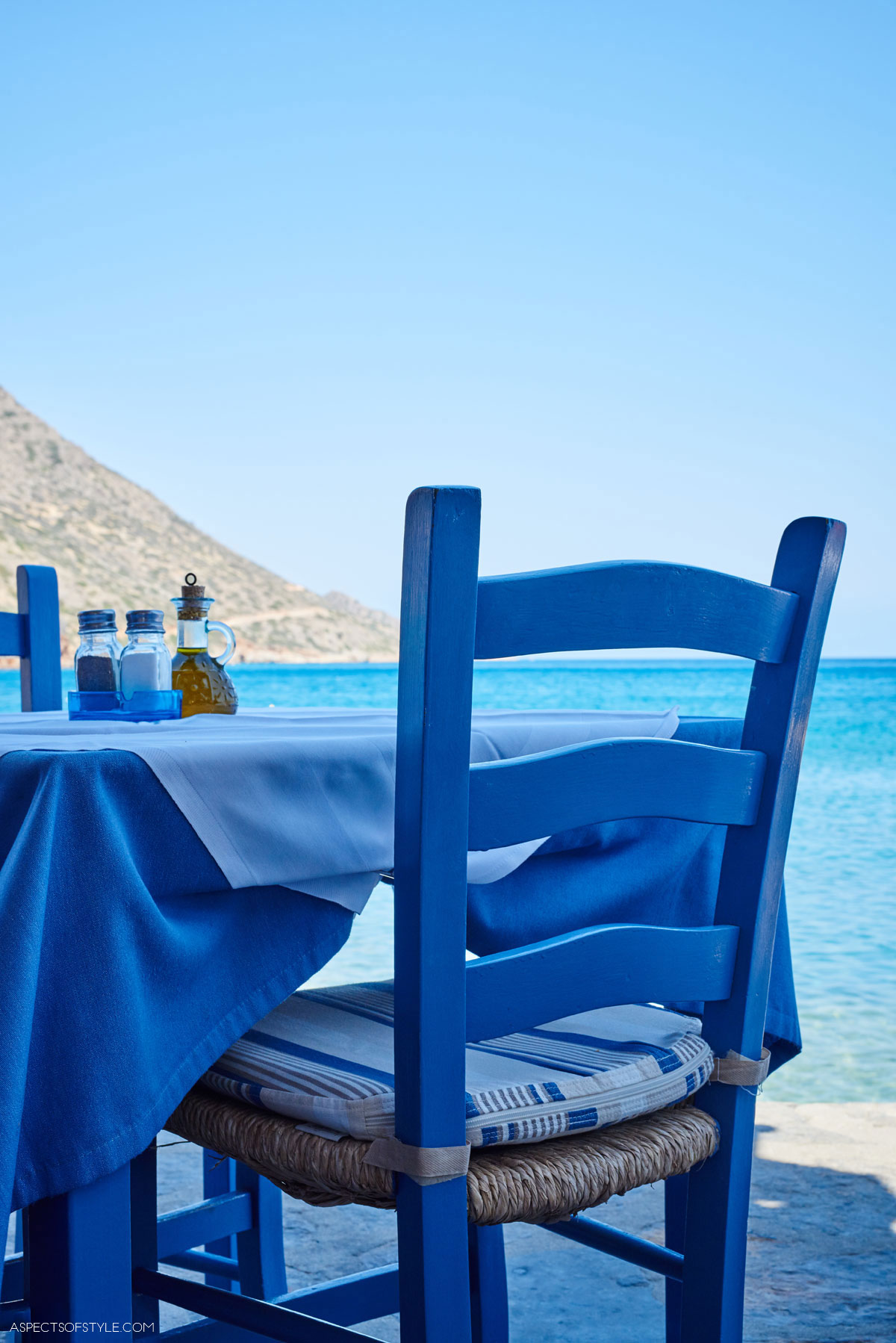
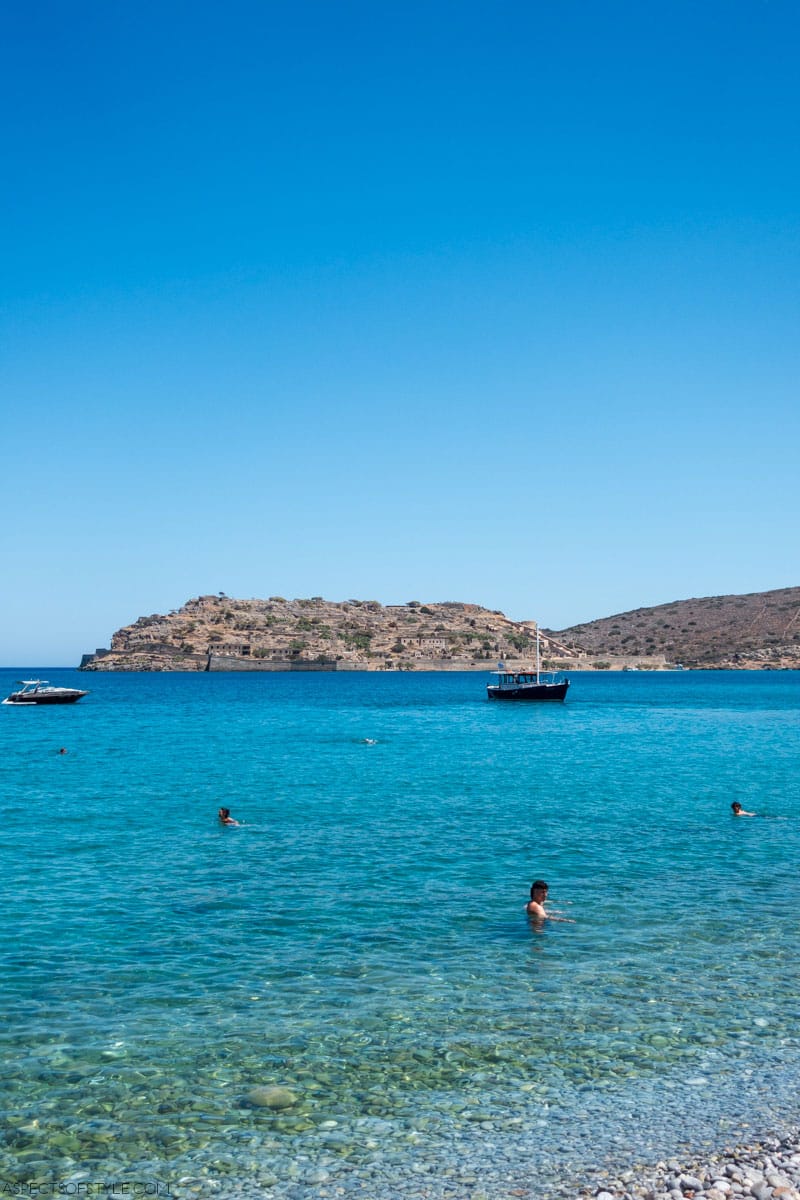
Further north lies Plaka, a seaside village where you’ll find everything from family-run rooms to luxury hotels, along with excellent seaside tavernas. It’s also the departure point for boat trips to the famous island of Spinalonga. More on that later, along with a restaurant recommendation you don’t want to miss!
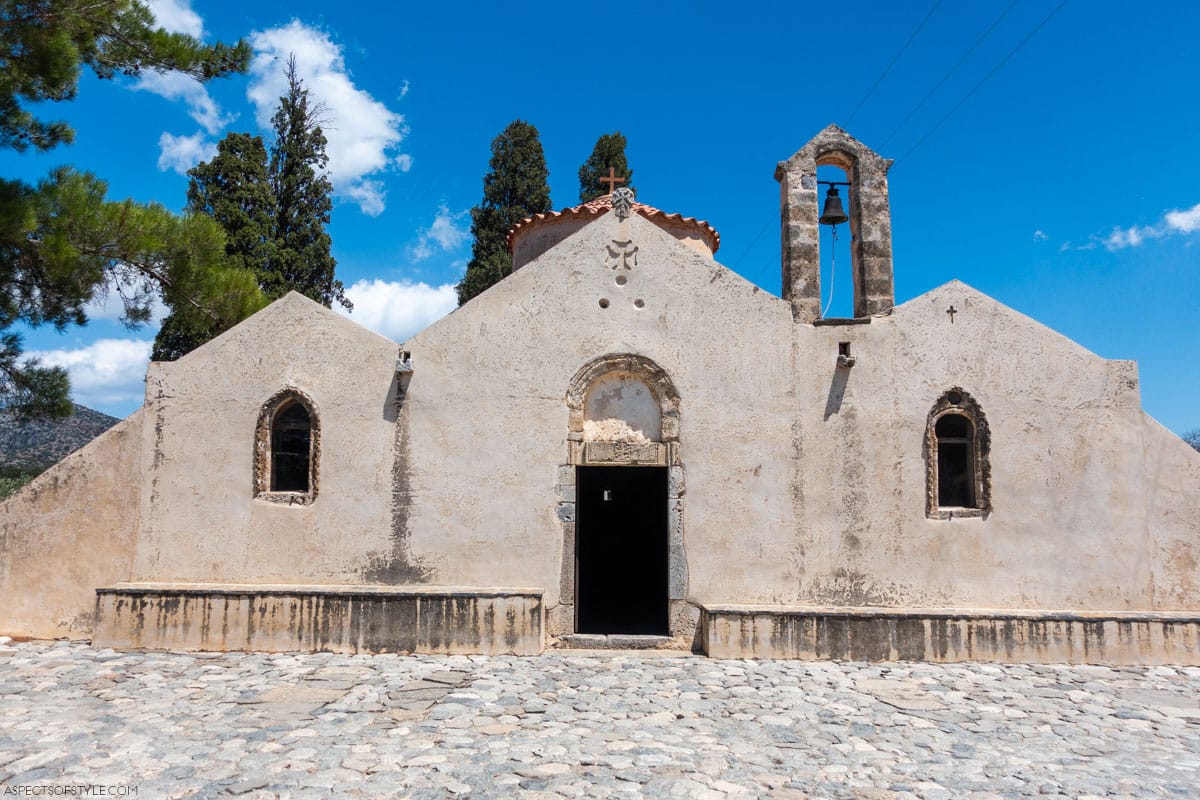
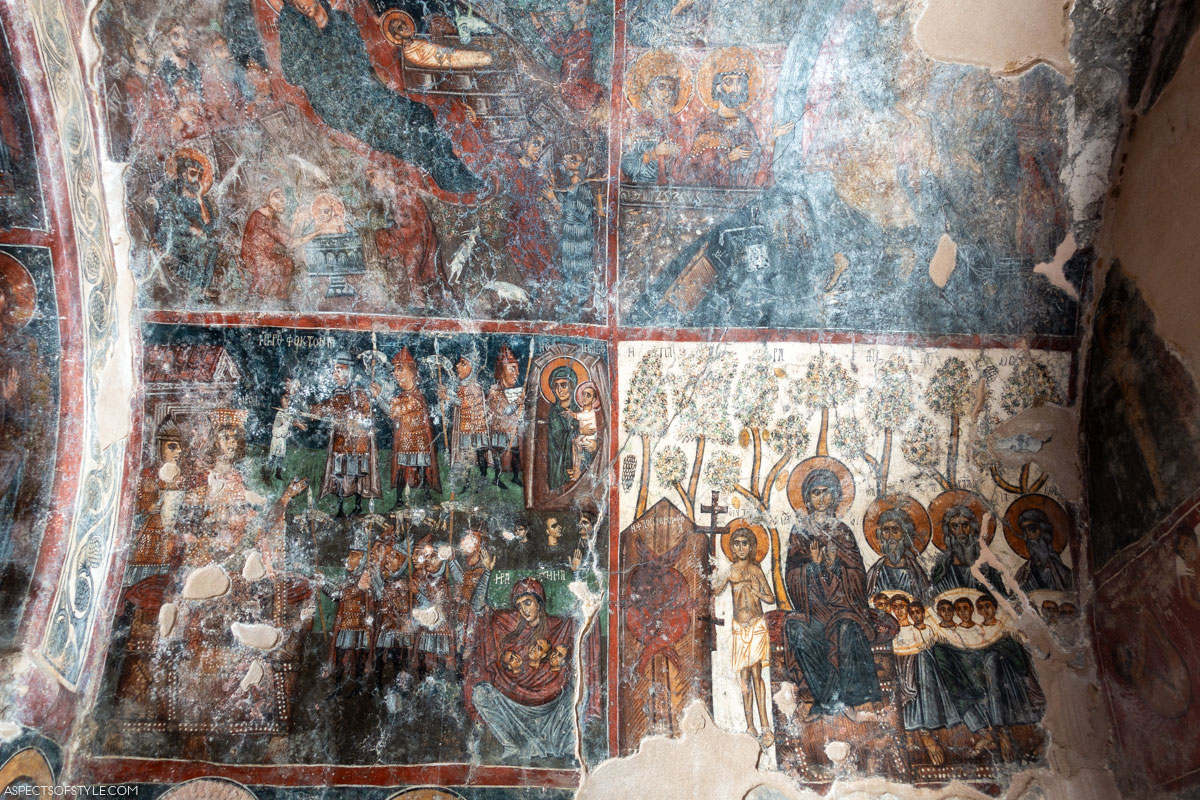
A short drive southwest of Agios Nikolaos brings you to Kritsa. Here stands the medieval church of Panagia Kera, home to some of the island’s finest and best-preserved Byzantine frescoes. As of August 2025, the entrance fee is 5 euros — and it’s well worth it.
Villages Around Ierapetra
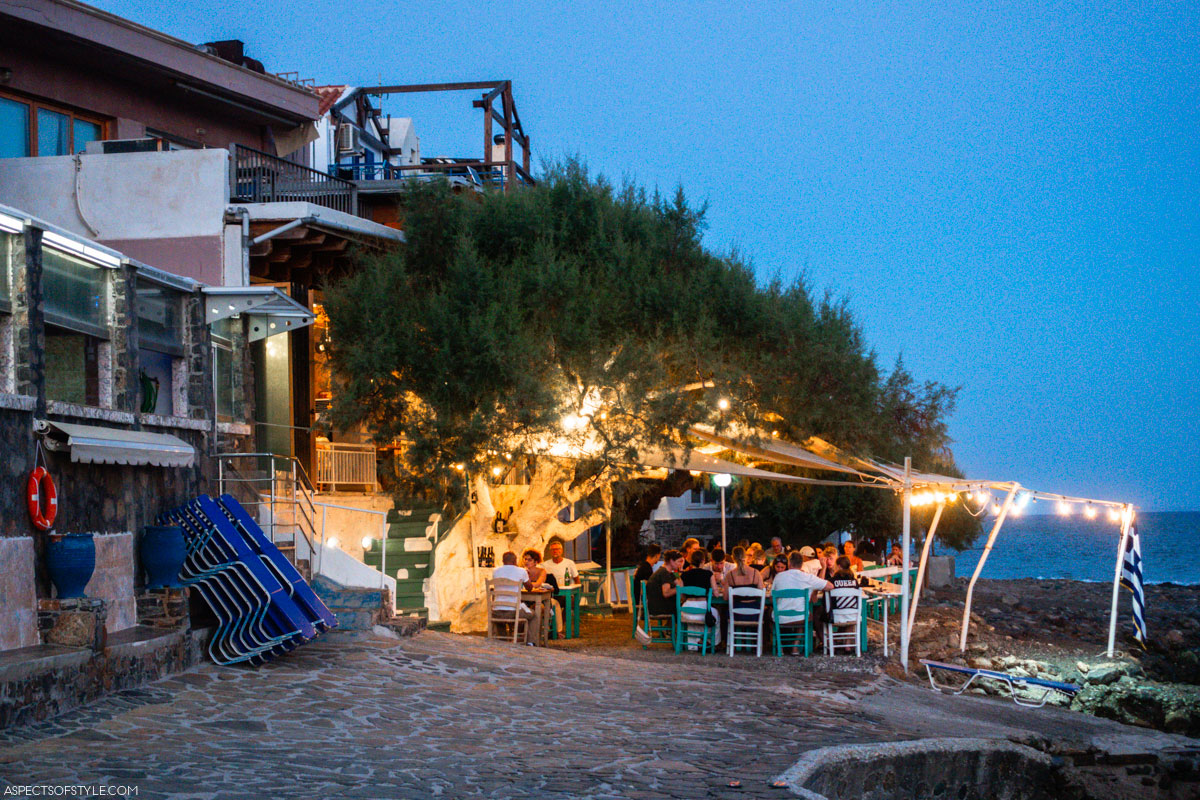
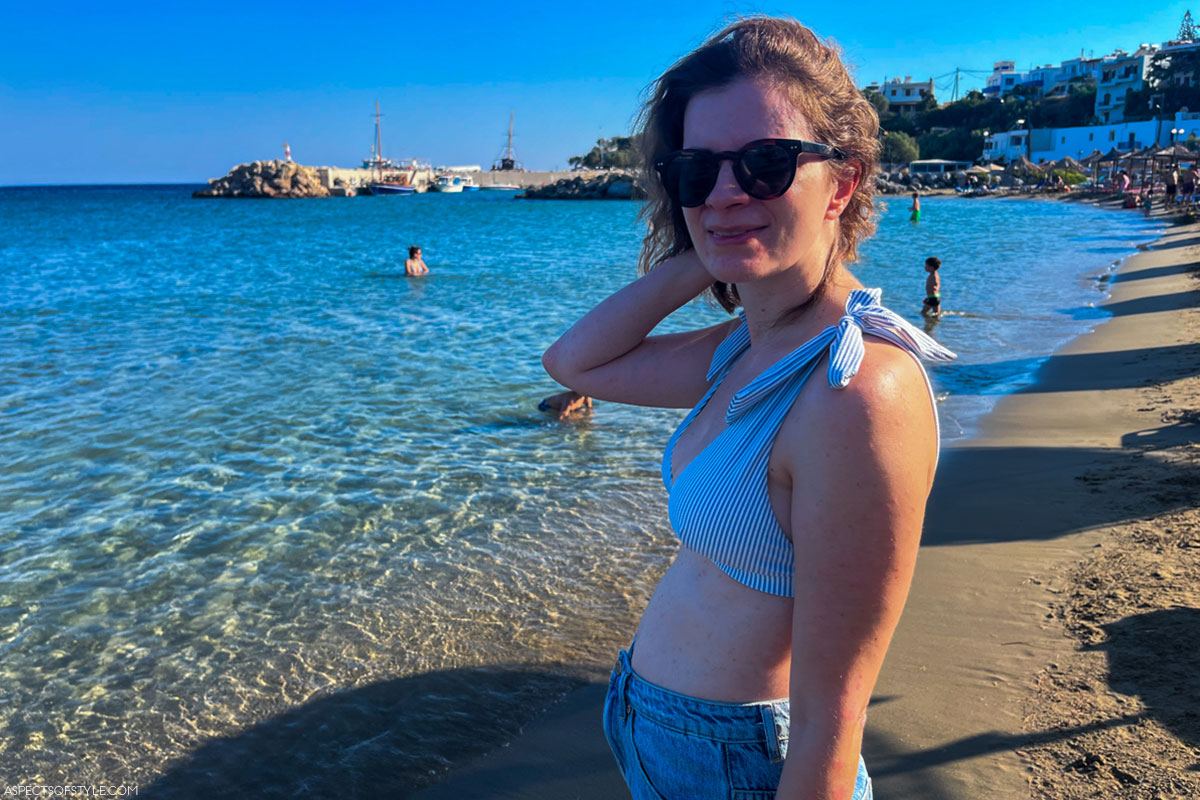
In recent years, we’ve spent a few relaxing days in Makry Gialos, a seaside village east of Ierapetra known for its easygoing atmosphere and lovely beach. It’s especially great for families, as the sea is shallow and usually calm. We usually stop at Ilios Café near the port for coffee or a light meal, but there are plenty of beach bars and enough open space if you prefer to set up your own umbrella.
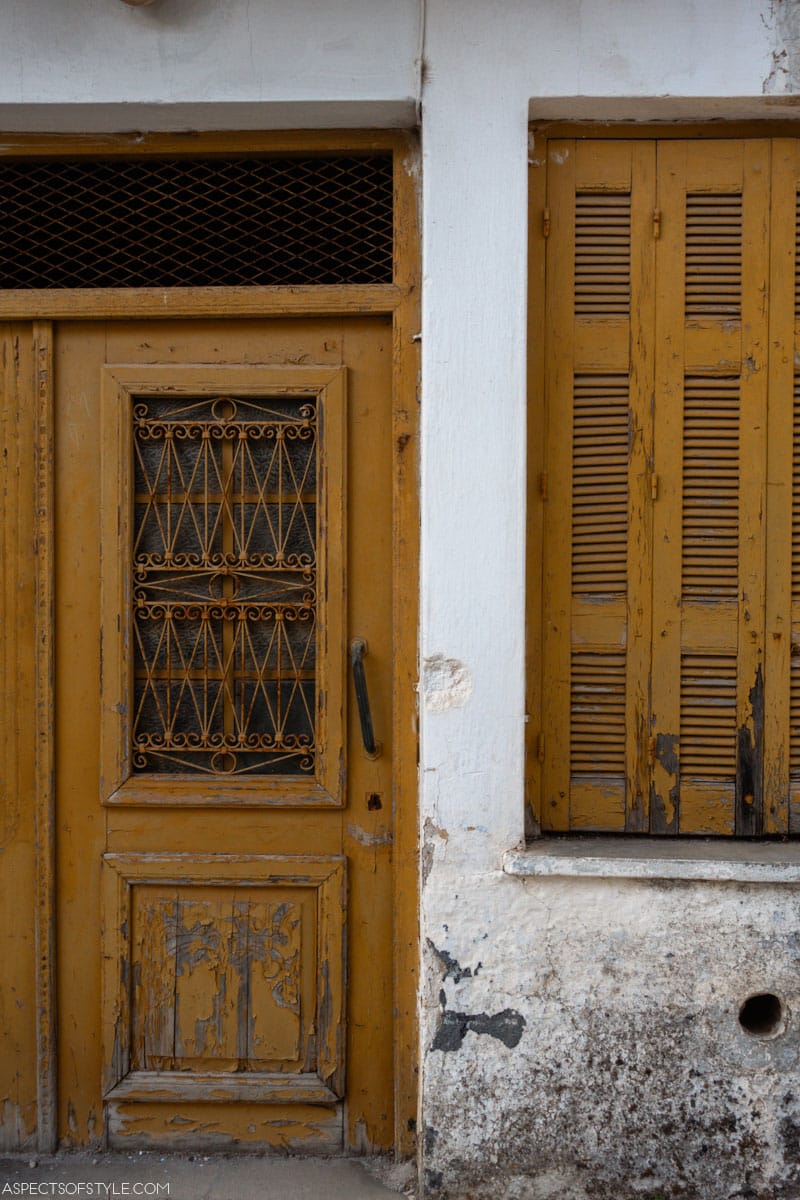
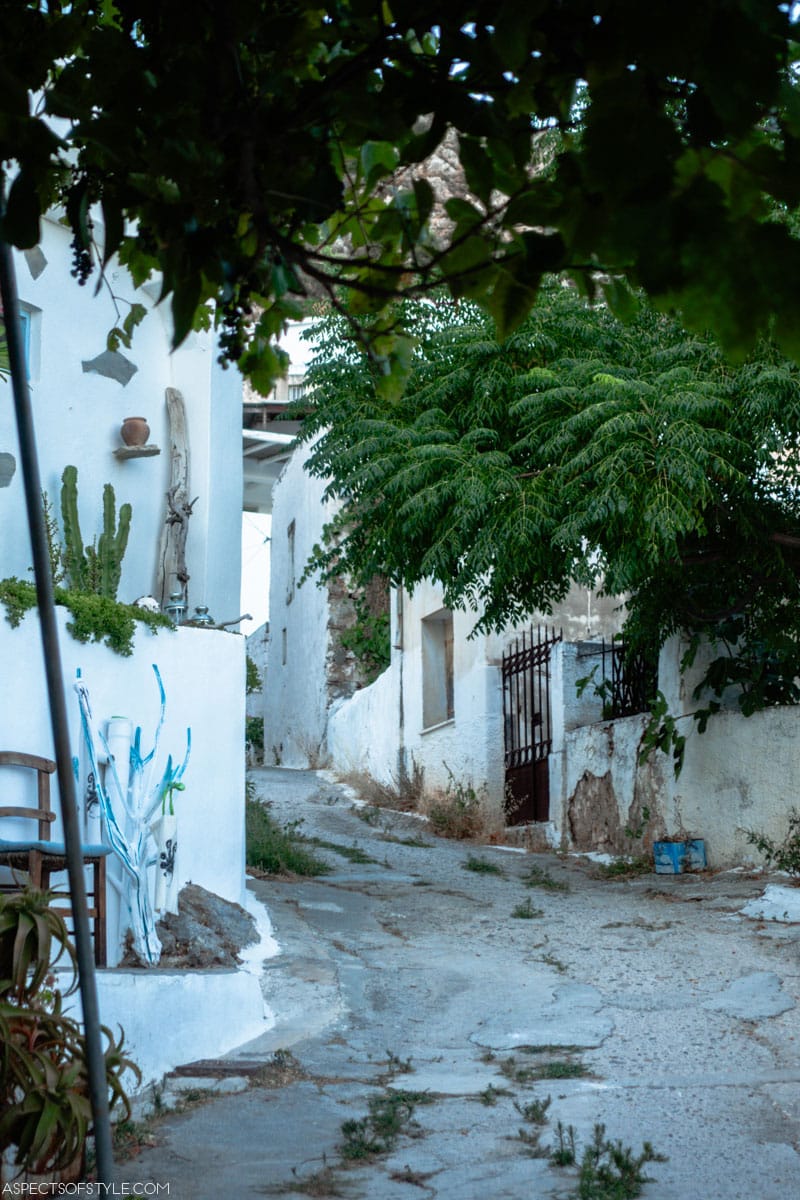
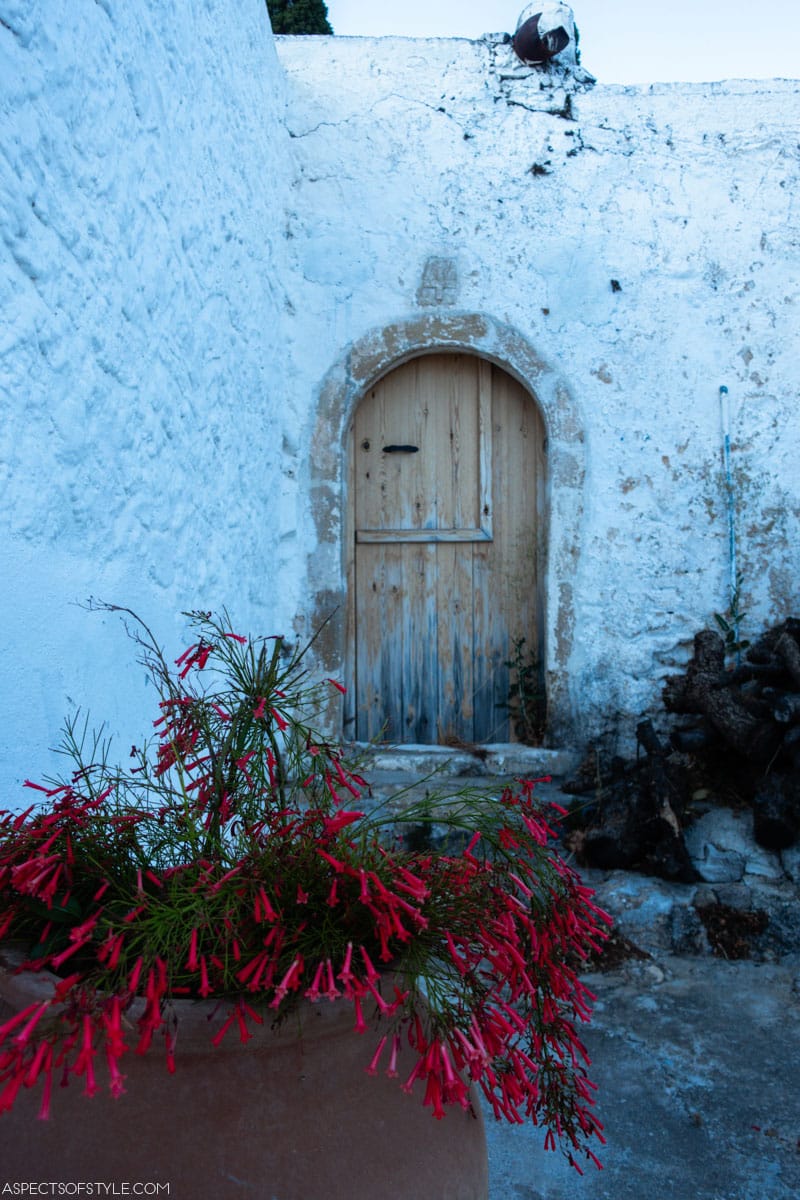
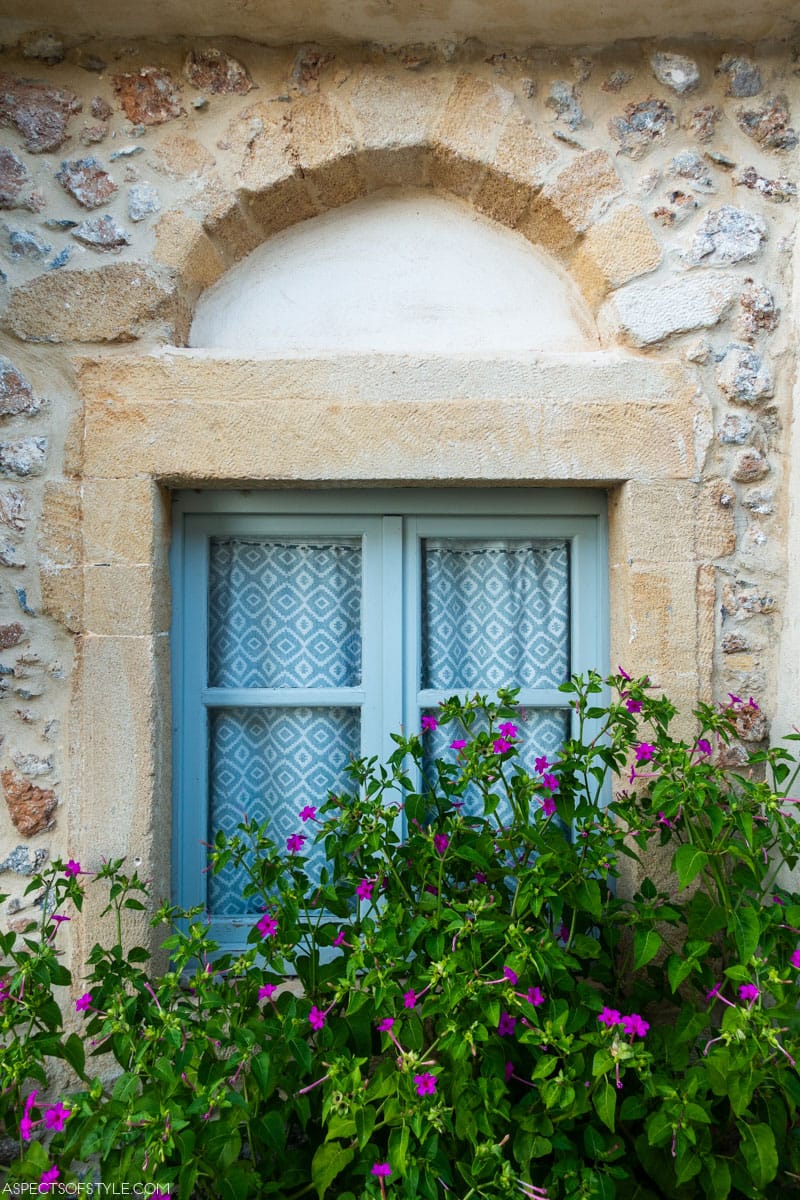
From Makry Gialos, we ventured inland to the mountain villages of Pefkoi and Ziros. Both have retained their traditional architecture and a sense of quiet authenticity. These villages are ideal for visitors seeking an authentic experience of traditional Cretan life away from the crowded coastline.
Lasithi Plateau
Set high in the Dikti Mountains, the Lasithi Plateau is a fertile plain best known for its white-sailed windmills and the Diktaean Cave, believed to be the birthplace of Zeus. Near the village of Psychro, the cave features impressive stalactites and stalagmites. It’s a scenic drive and a refreshing change from Crete’s coastal landscapes. The plateau was once dotted with thousands of windmills used to irrigate the fields. Only a few remain today as reminders of the area’s agricultural past. Unfortunately I visited the Plateau in my pre-blogging era, so I don’t have any photos from the area.
Sitia Geopark
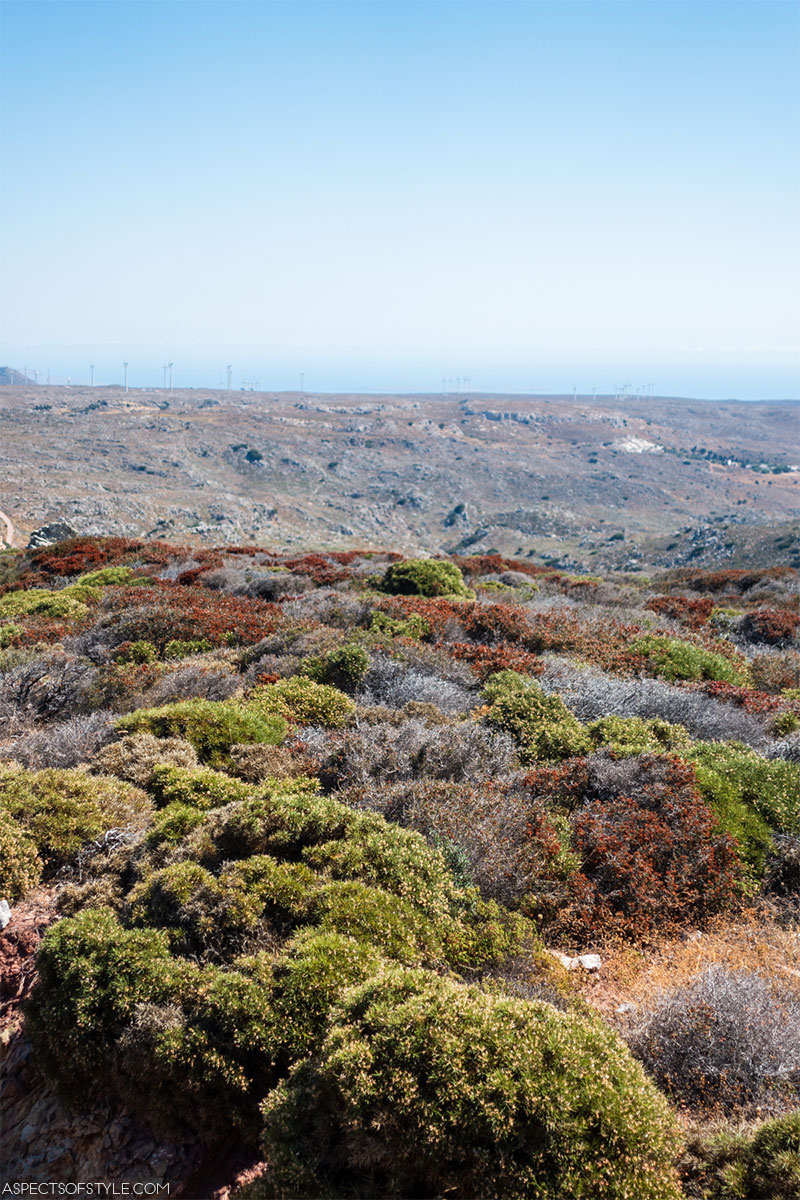
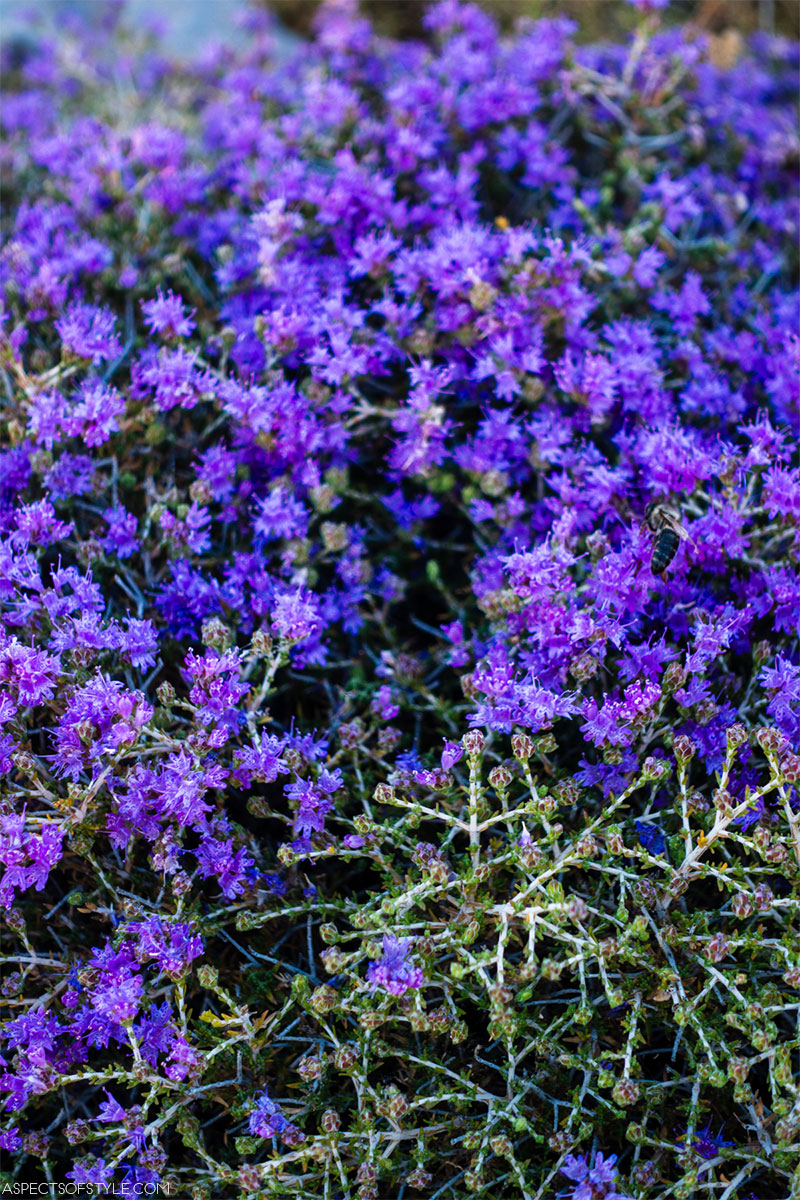
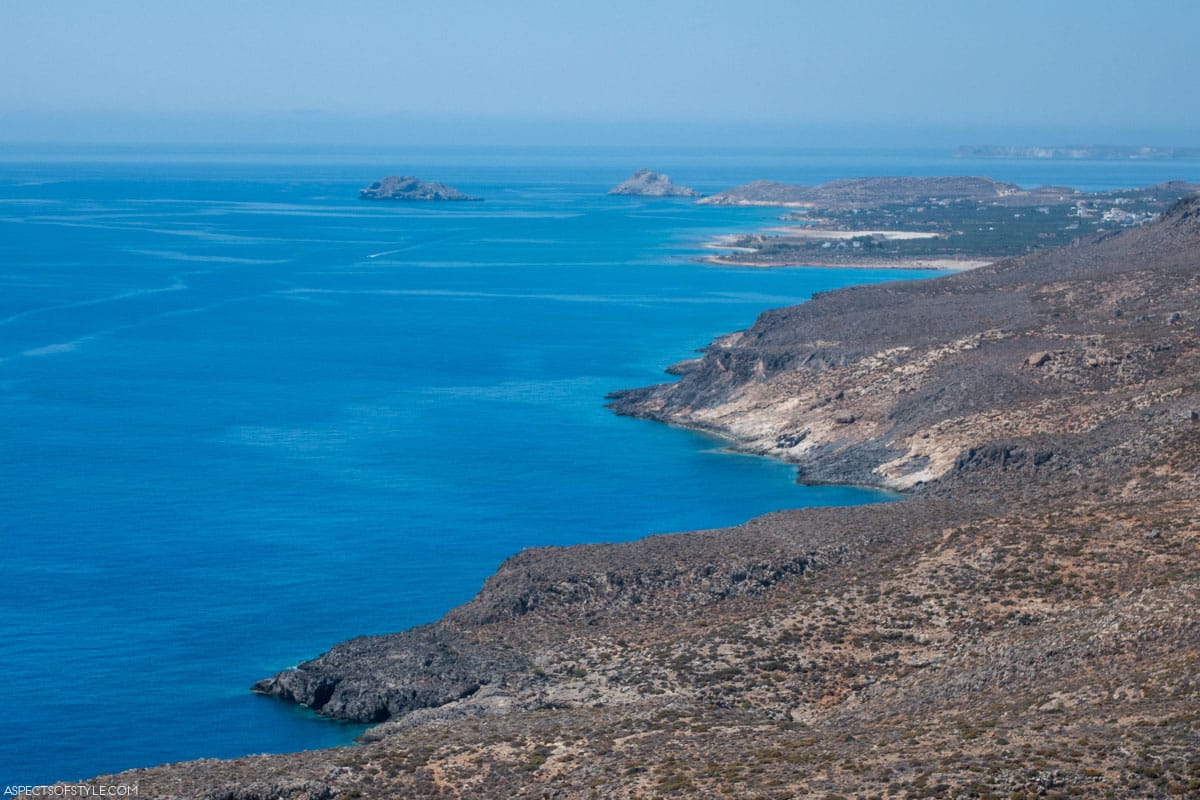
We crossed the Sitia Geopark on our way to Zakros, and I was genuinely impressed by the landscape — enough to include it in this guide. This protected area is home to rare flora and fauna found only in Crete, as well as striking rock formations shaped over millions of years. Sitia Geopark is part of the UNESCO Global Geoparks network, highlighting its geological and ecological importance.
Beaches
Lasithi is home to some of Crete’s most beautiful and diverse beaches. While there are many worth visiting, here are a few that I personally recommend.
Makry Gialos
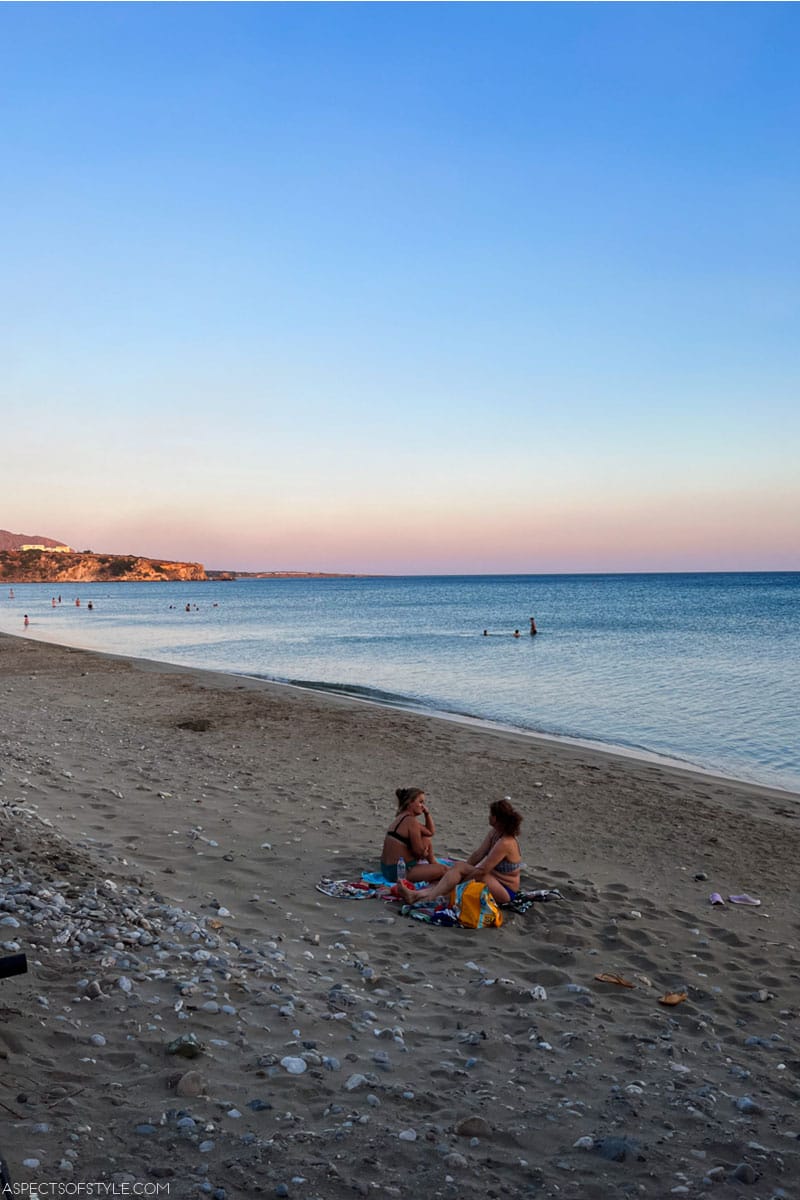
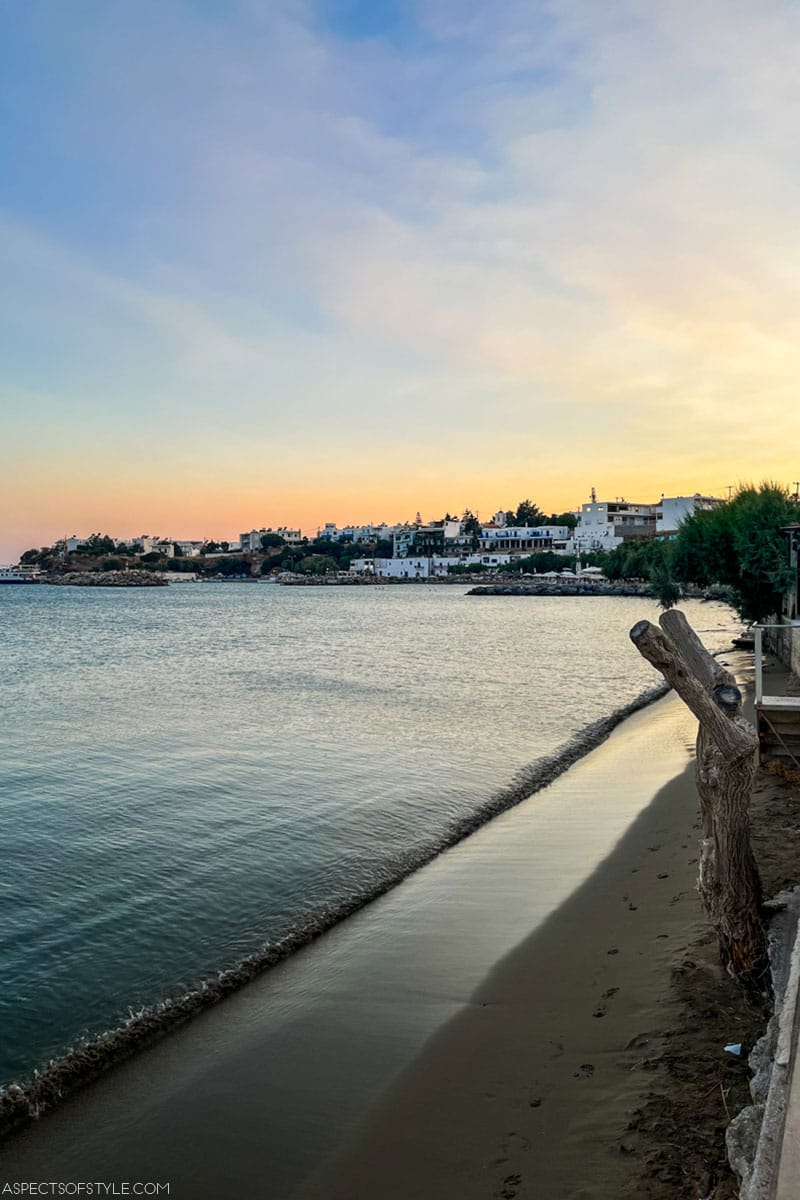
This is the beach I’ve visited the most — and for good reason. It’s ideal for families, as the sea stays shallow close to the shore, making it safe even for toddlers. The beach stretches for quite a distance, so it rarely feels crowded except around the port area, where cafés and restaurants set up sunbeds and umbrellas.
Voulisma Beach (Istron)
Located near Istron on the northern coast, Voulisma is often described as one of Crete’s most stunning beaches. Its turquoise waters and golden sand make it a favorite among locals and visitors alike, though it can get quite busy during the summer months. It’s still on my list to visit!
Vai Beach
At the northeastern tip of the region lies Vai, famous for its natural palm forest, one of the largest in Europe. Protected under the Natura 2000 network, this beach combines golden sand, clear water, and the exotic backdrop of towering palms — a unique sight in the Mediterranean.
Sites of Interest
Lasithi offers a wide variety of attractions, from ancient Minoan ruins to historic monasteries and mythological caves.
Minoan Palace of Zakros
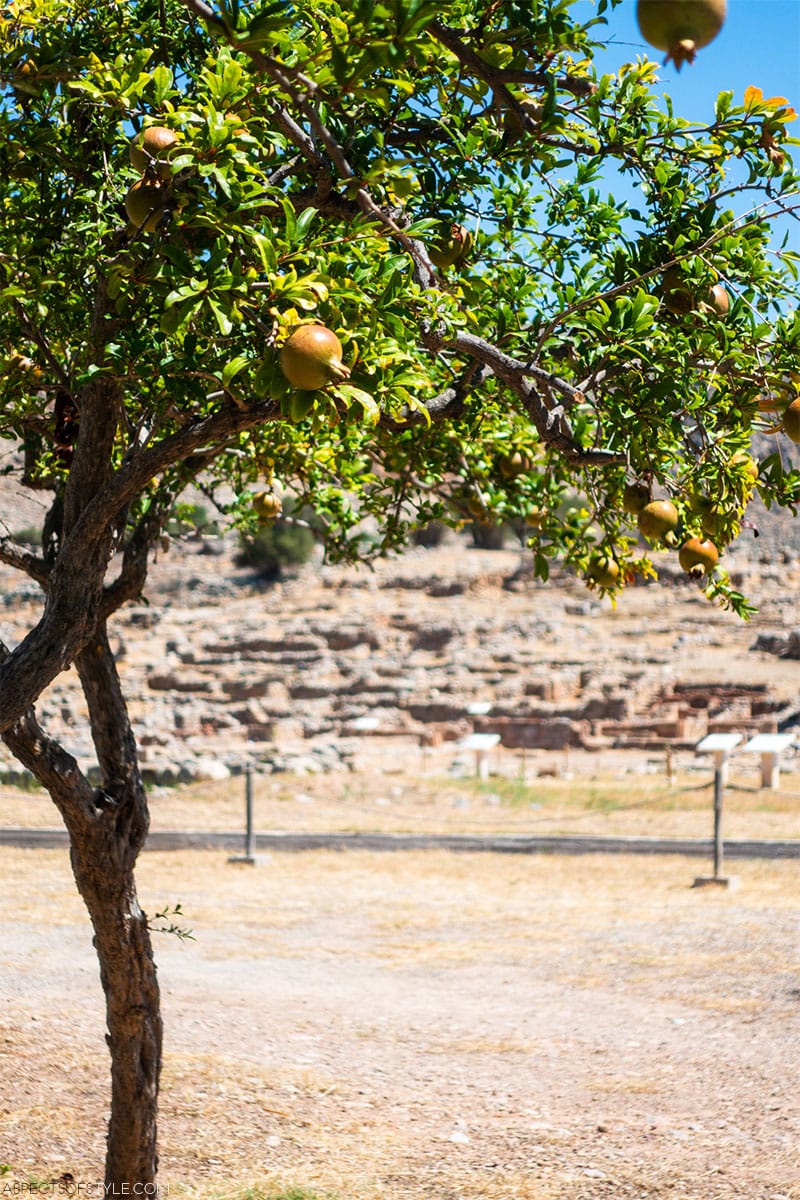
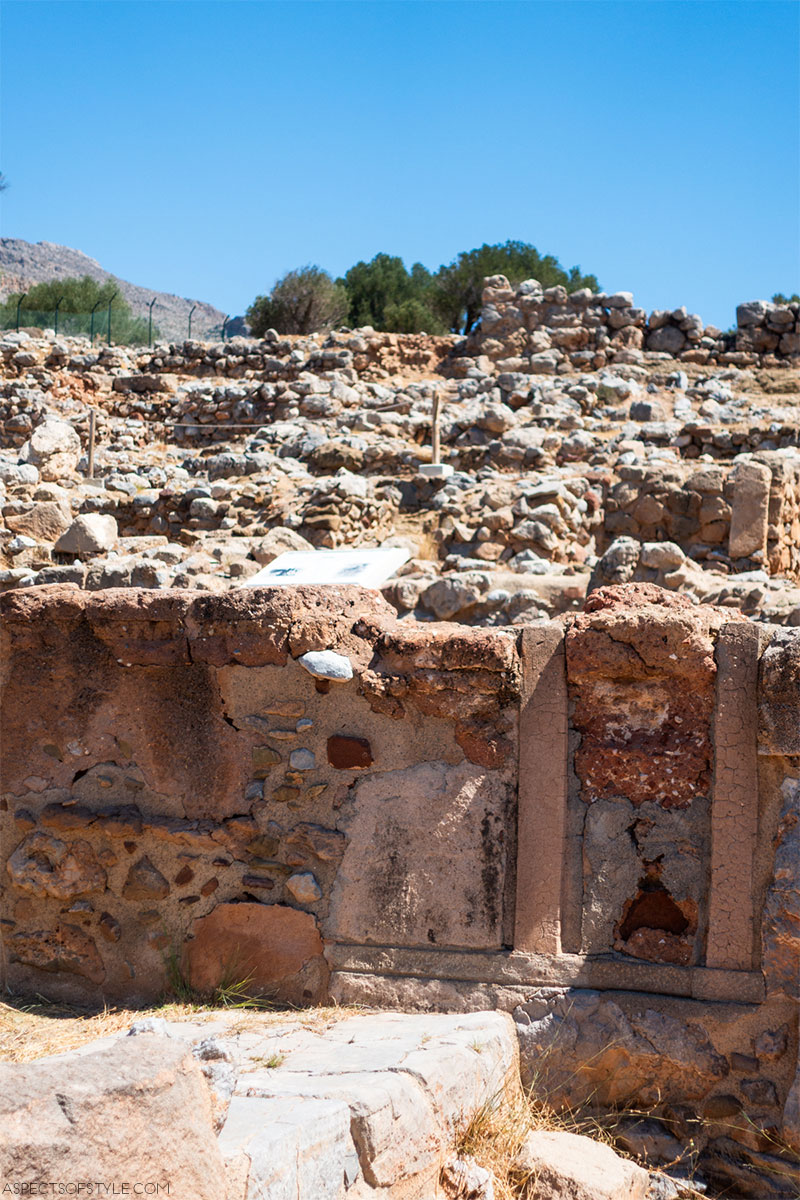
One of the four main Minoan palaces of Crete, Zakros sits on a hillside at the eastern edge of the island. The drive to the site is scenic and winding, passing through rural landscapes. The palace is remarkably well-preserved. It’s smaller and much quieter than Knossos or Phaistos.
Related: Visiting Knossos: Europe’s Oldest City
Toplou Monastery (Akrotiriani)
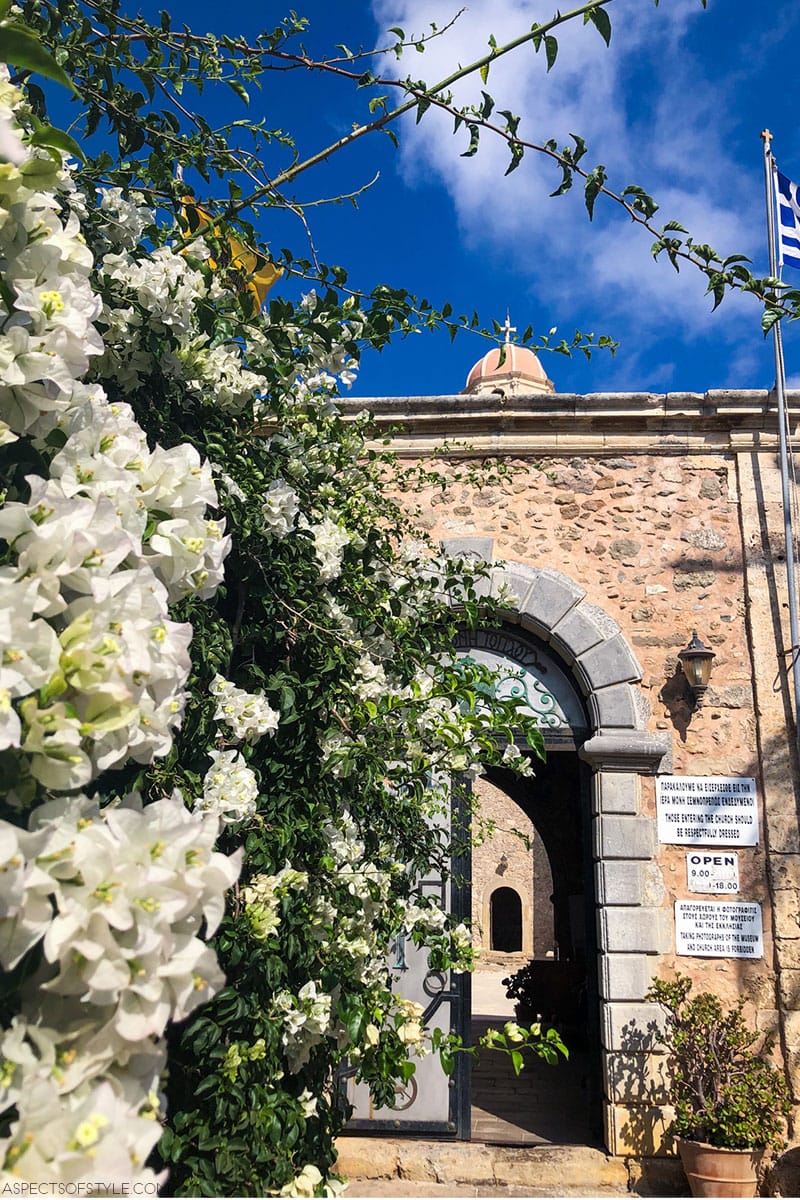
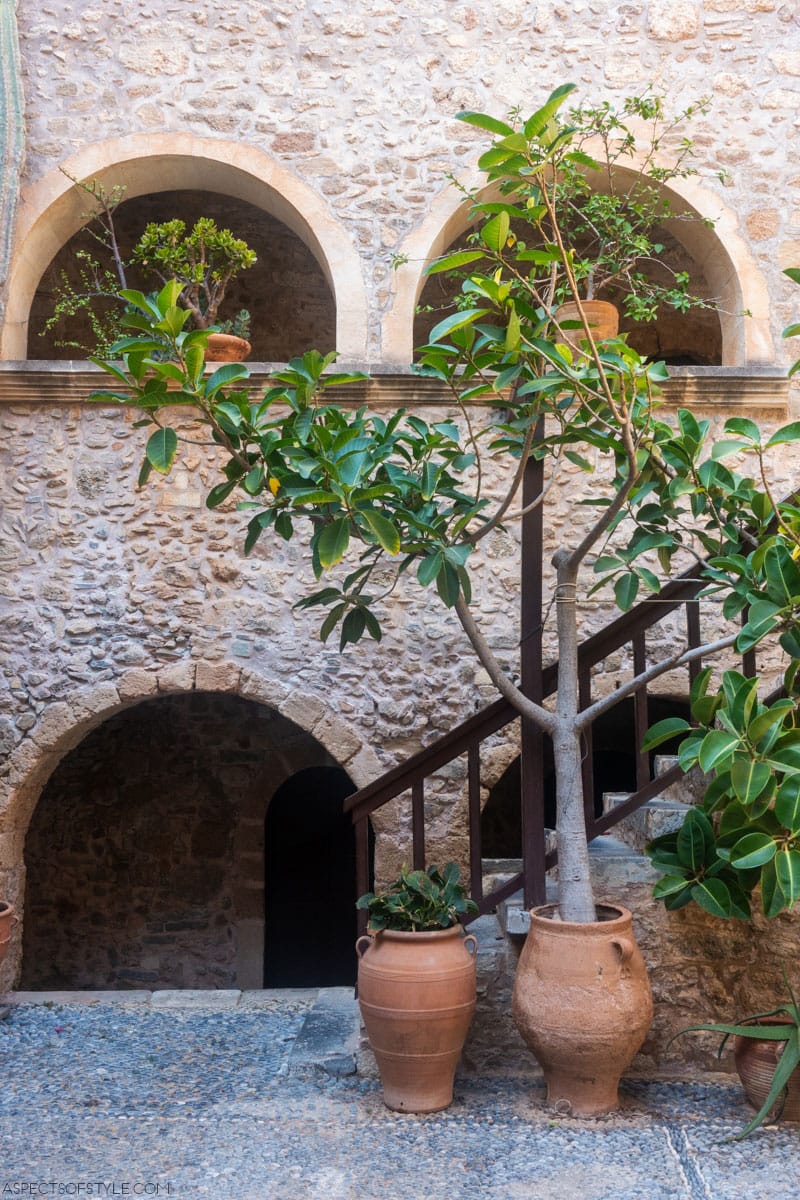
Located near Sitia, Toplou Monastery dates back to the late 14th century and took on its present fortress-like form in the 15th century. Its thick stone walls once protected it from pirates and invaders. The monastery houses an impressive collection of icons, manuscripts, engravings, and other historical treasures. It’s also home to a winery and distillery, producing organic wines and tsikoudia (raki) from the monastery’s own vineyards. I particularly enjoyed their white wine “Gerto”, made from the local Thrapsathiri grape!
Spinalonga
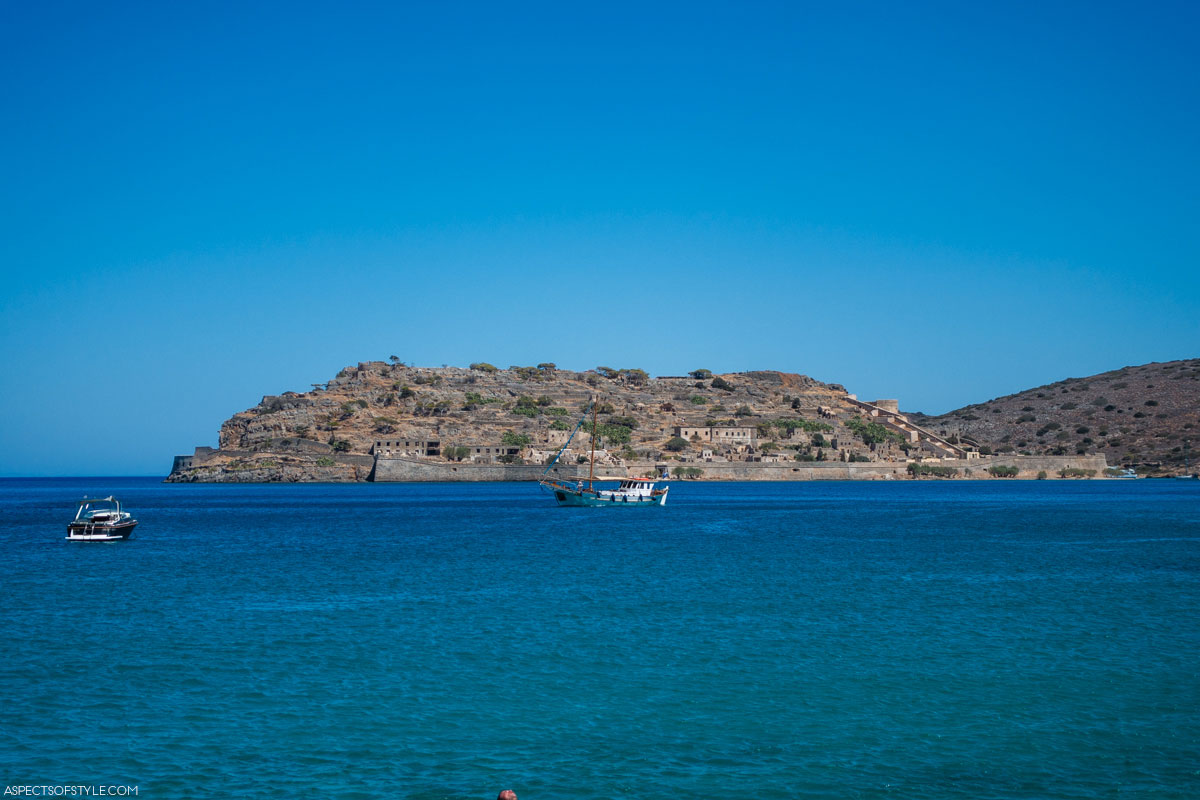
Spinalonga is a small fortified island in the Gulf of Elounda. The Venetians fortified the island in the 16th century to protect the gulf from Ottoman attacks.
In the early 20th century, Spinalonga became Greece’s leper colony, a place of isolation rather than treatment. Life on the island was harsh at first. Conditions gradually improved after Dr. Grammatikakis began providing medical care in 1925. By the 1950s, Greece began closing leper hospitals nationwide, and the last residents left Spinalonga in 1957.
Today, the island is one of Crete’s most visited sites. Boats depart regularly from Plaka, Elounda, and Agios Nikolaos, taking visitors to walk through its ruins and abandoned streets. Spinalonga has also appeared in popular culture — most notably in Victoria Hislop’s novel The Island. The novel brought renewed attention to its history and was later adapted into a TV series.
Where to Eat
No guide to Lasithi would be complete without some food recommendations. Here are a few of my favorites, listed in no particular order.
Hiona Tavern – Hiona Beach, Palaikastro
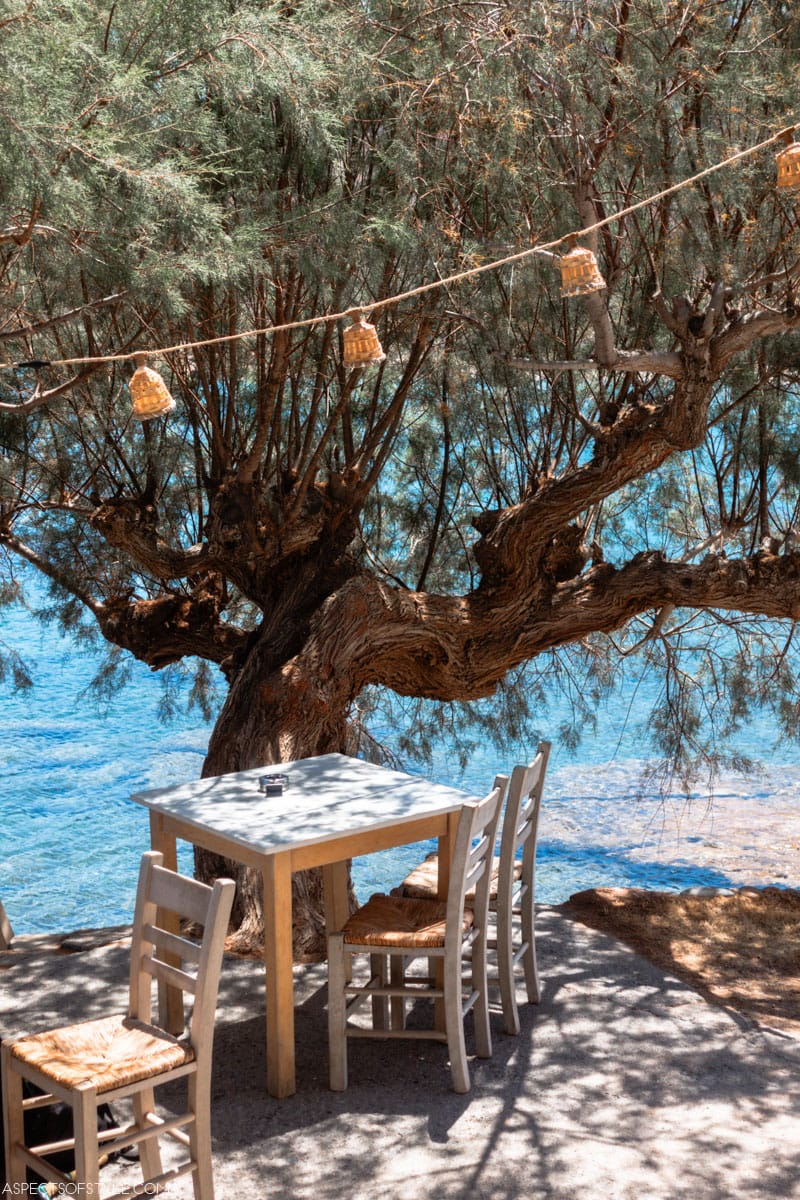
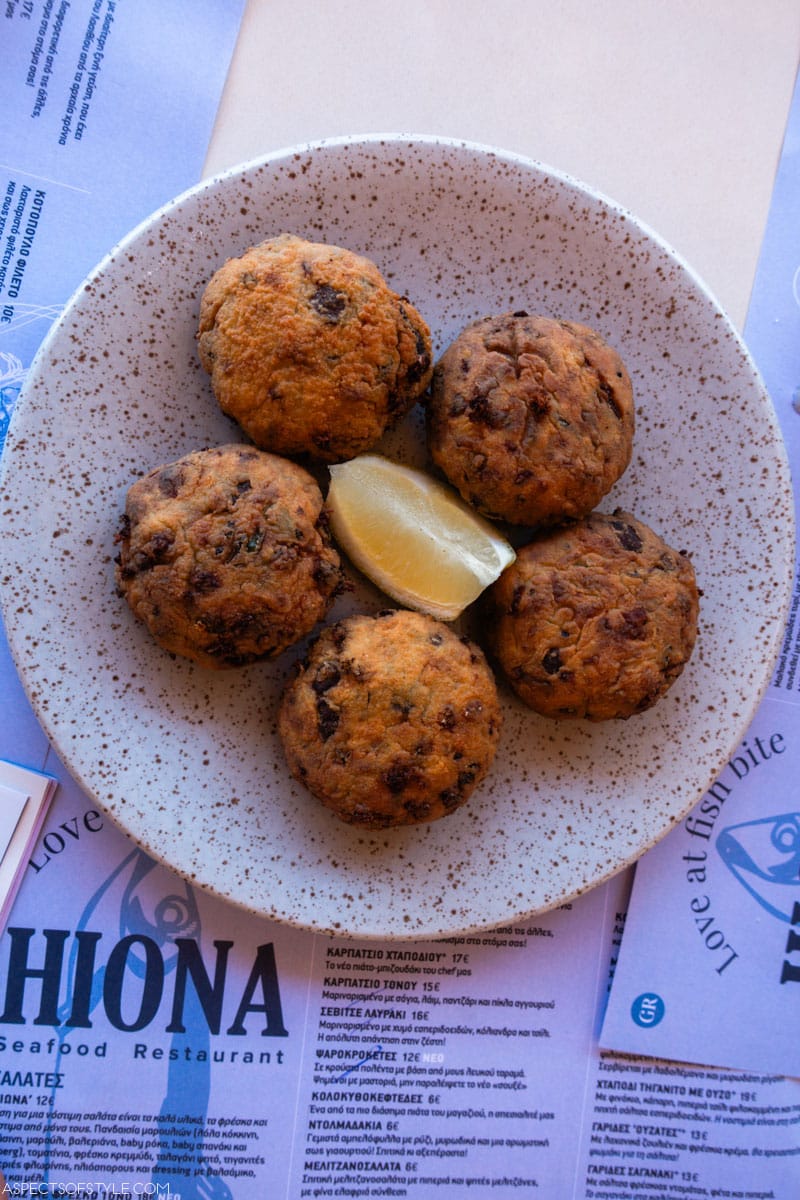
When we first tried to dine here in 2024, we were told reservations were essential — so the following year, I made sure to call three weeks in advance! Hiona Tavern is known for its excellent seafood, but the meat dishes are just as good. My husband had the cuttlefish risotto, which was perfectly cooked, while I went for the lamb chops, juicy and full of flavor. Don’t miss the zucchini fritters — the best I’ve ever had.
Fotis Seaside – Hiona Beach
If, like us, you arrive in Hiona without a reservation, Fotis Seaside nearby is a great alternative. I especially enjoyed their three-colored ravioli with assorted fillings — fresh, light, and beautifully presented.
Piperia – Pefkoi
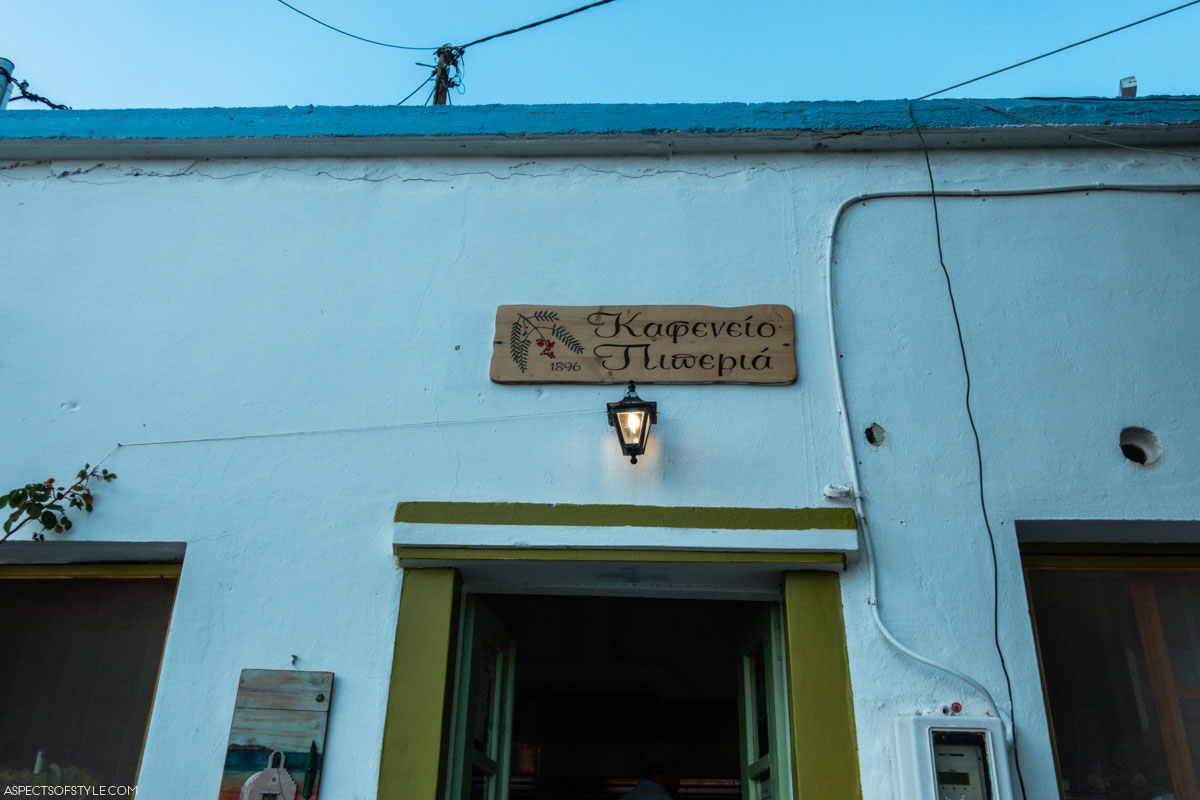
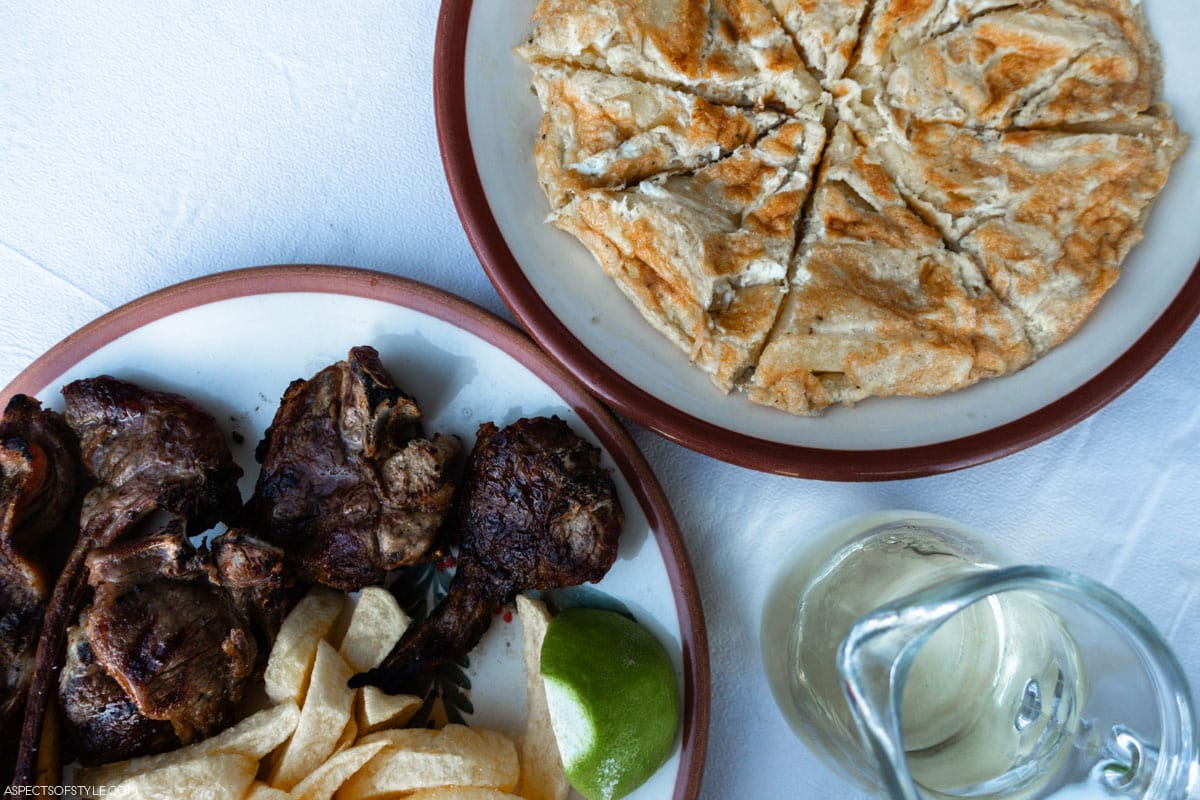
I first came across Piperia on Instagram and of course added it to my list. Just a 15-minute drive from Makry Gialos, this tavern sits in the picturesque mountain village of Pefkoi. It offers delicious Cretan dishes and panoramic sea views. Booking ahead is recommended, particularly on Sundays when there’s live music and traditional dancing.
Kalliotzina – Koutsouras
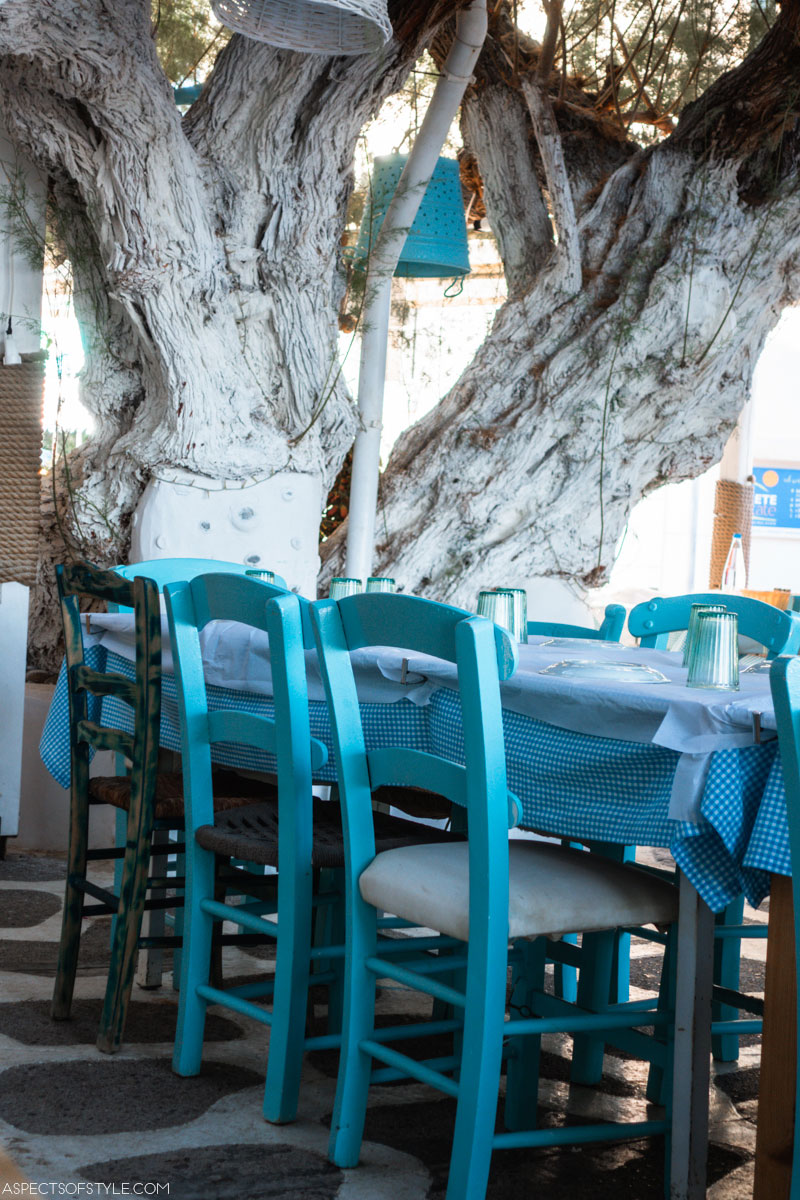
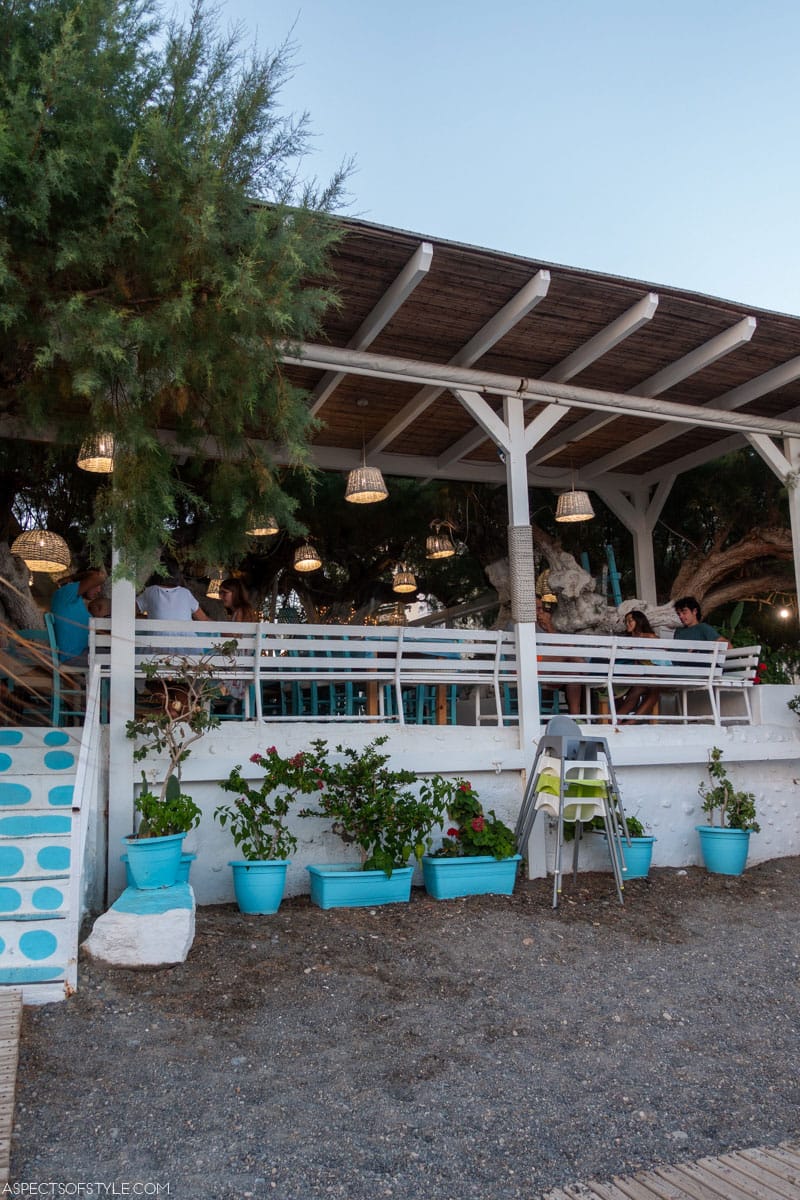
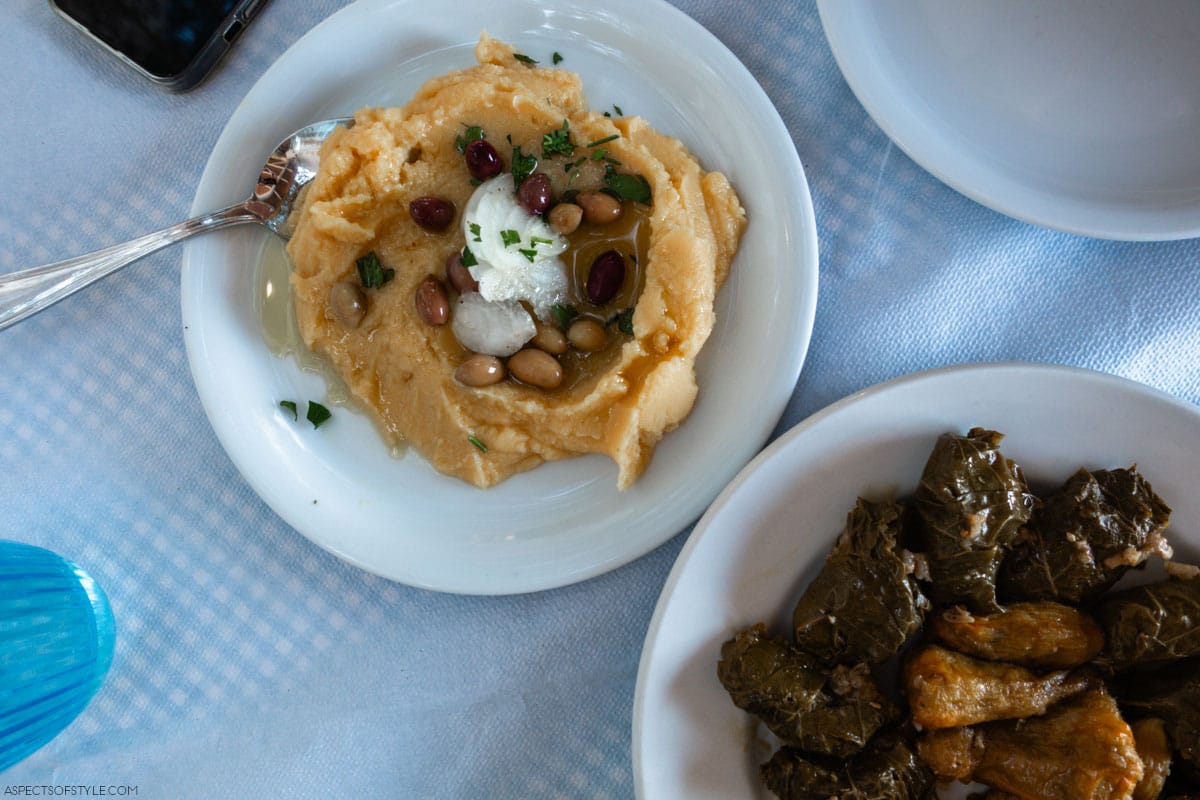
For a classic seaside fish tavern, Kalliotzina in Koutsouras is a must. It’s an easy trip from Makry Gialos. While they don’t take reservations unless you’re a large group, it’s worth the wait. The fish is fresh, simple, and perfectly grilled.
Takimi – Makry Gialos
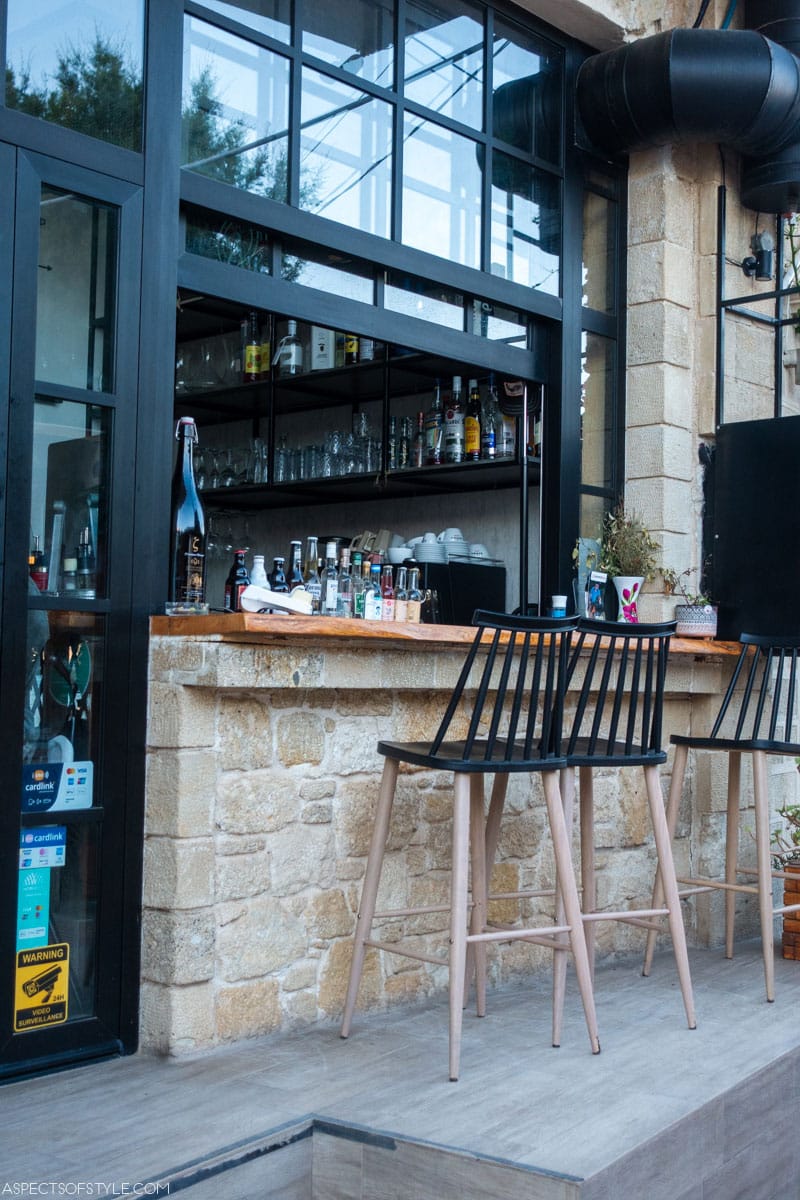
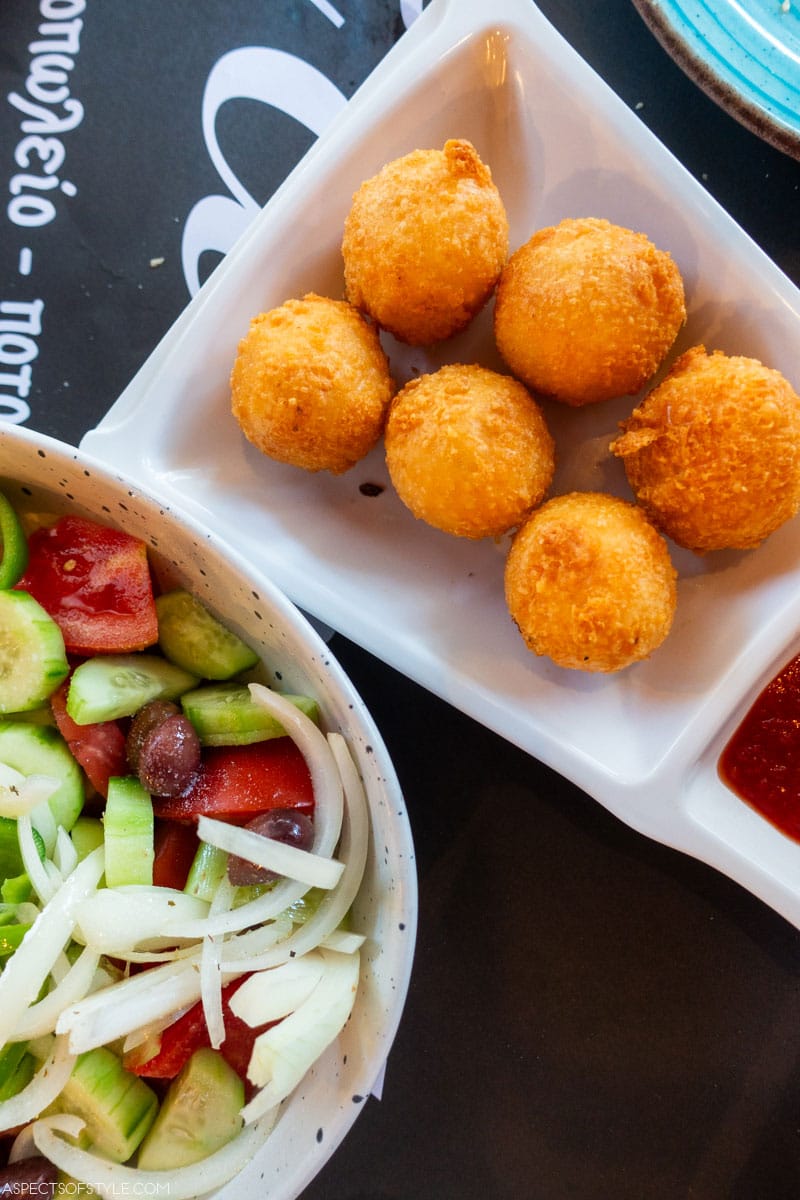
Located right on the port, Takimi is a favorite of ours in Makry Gialos. The menu offers a good variety of dishes, blending traditional and modern Cretan flavors.
Helios Café – Makry Gialos
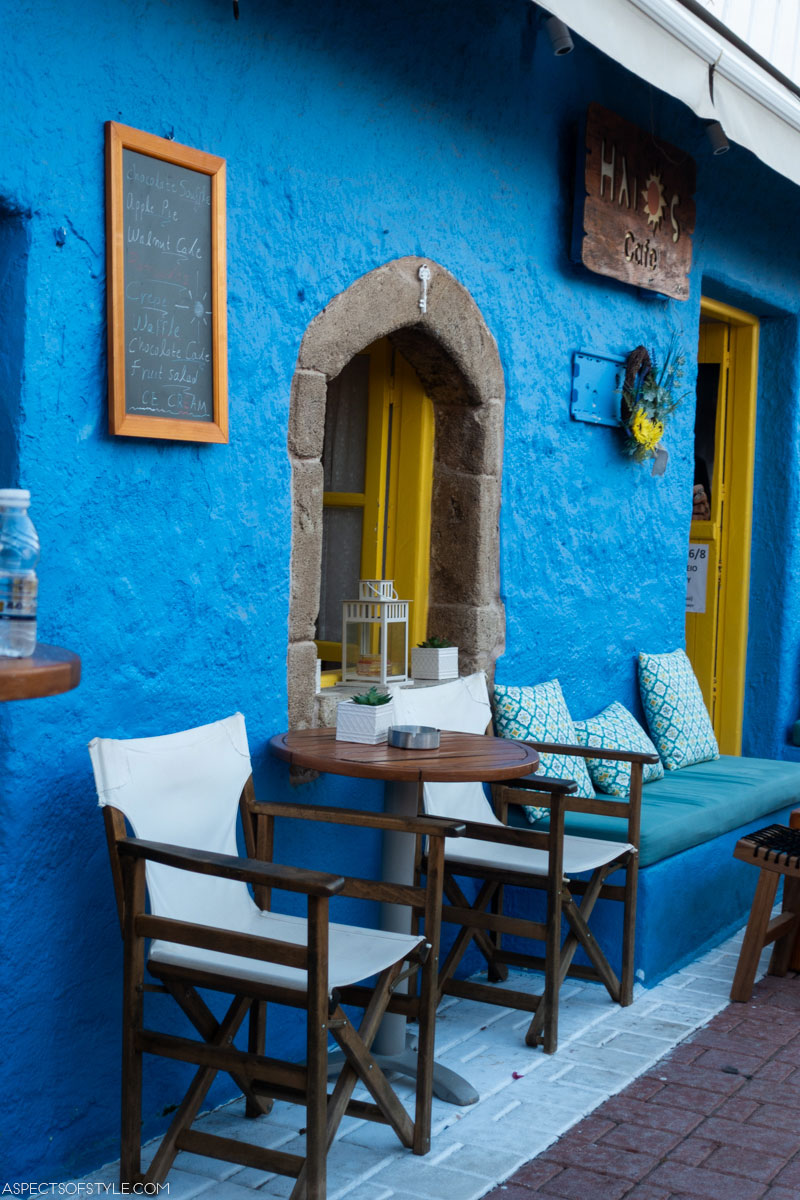
While mainly a café, Helios serves light meals such as pizza, club sandwiches, and tortillas — perfect for a casual lunch or an easy dinner to take away. We often spend time on their sunbeds and grab a quick bite between swims. Their pizza, by the way, is the best in Makry Gialos!
Ostria – Plaka
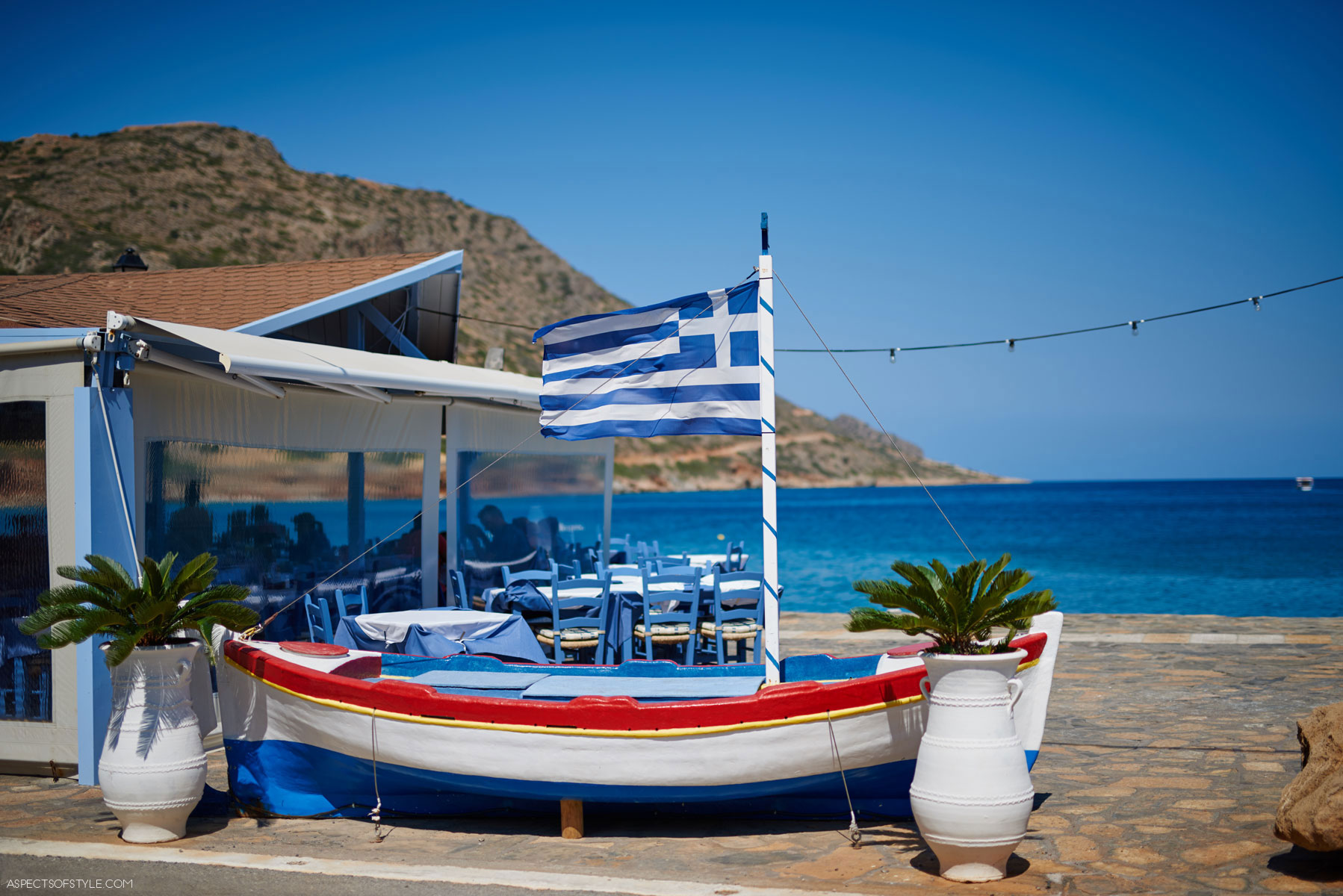
Last but definitely not least, Ostria in Plaka is one of our long-time favorites. We’ve been dining at this restaurant every time we are in the area. Often we include Plaka in our itinerary just to dine here. The grilled fish is consistently fresh and perfectly cooked, paired with friendly service and sea views!
Where to Stay
My accommodation suggestions in Lasithi are a mix of luxury and comfort, each located in a different part of the region.
Daios Cove – Vathi
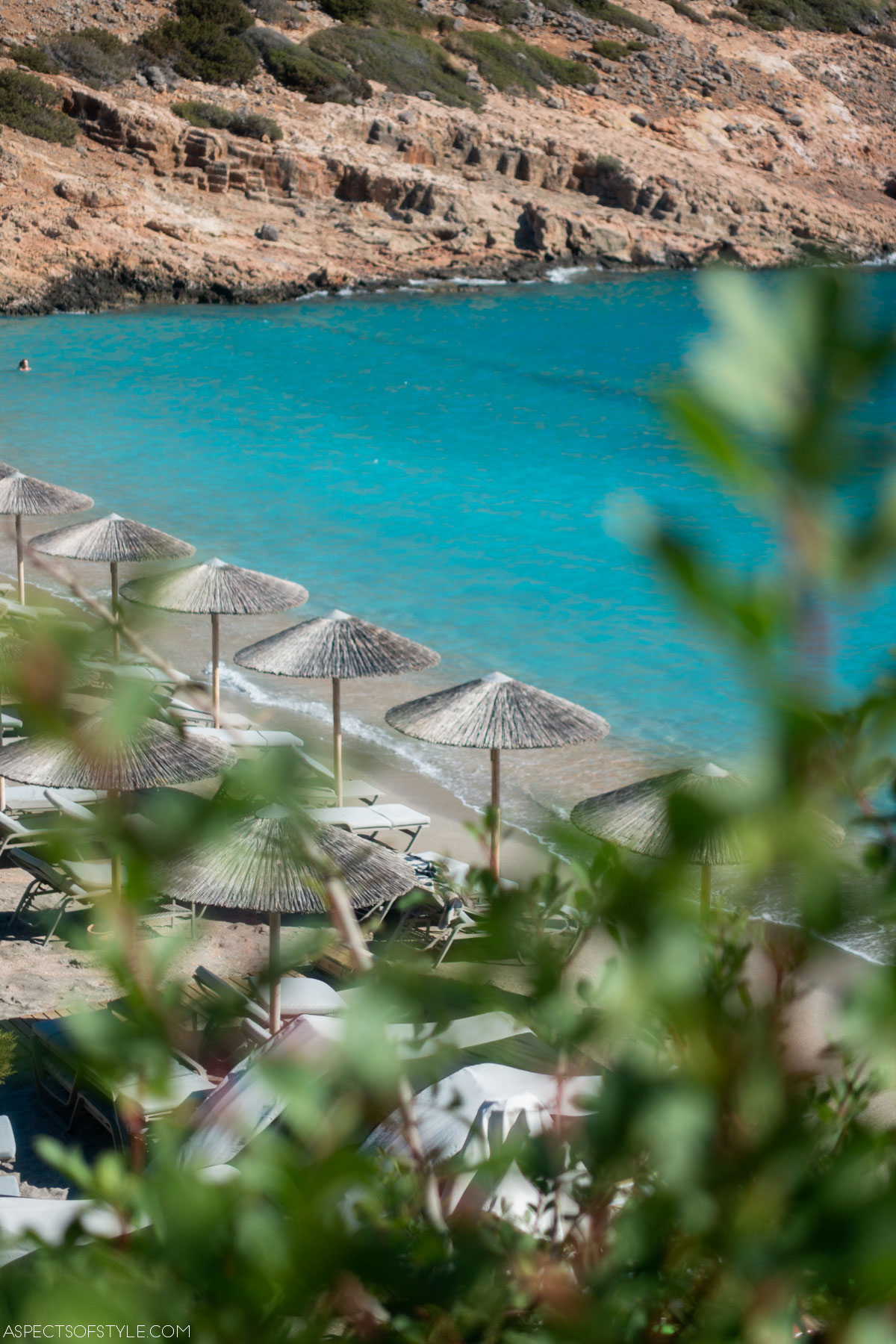
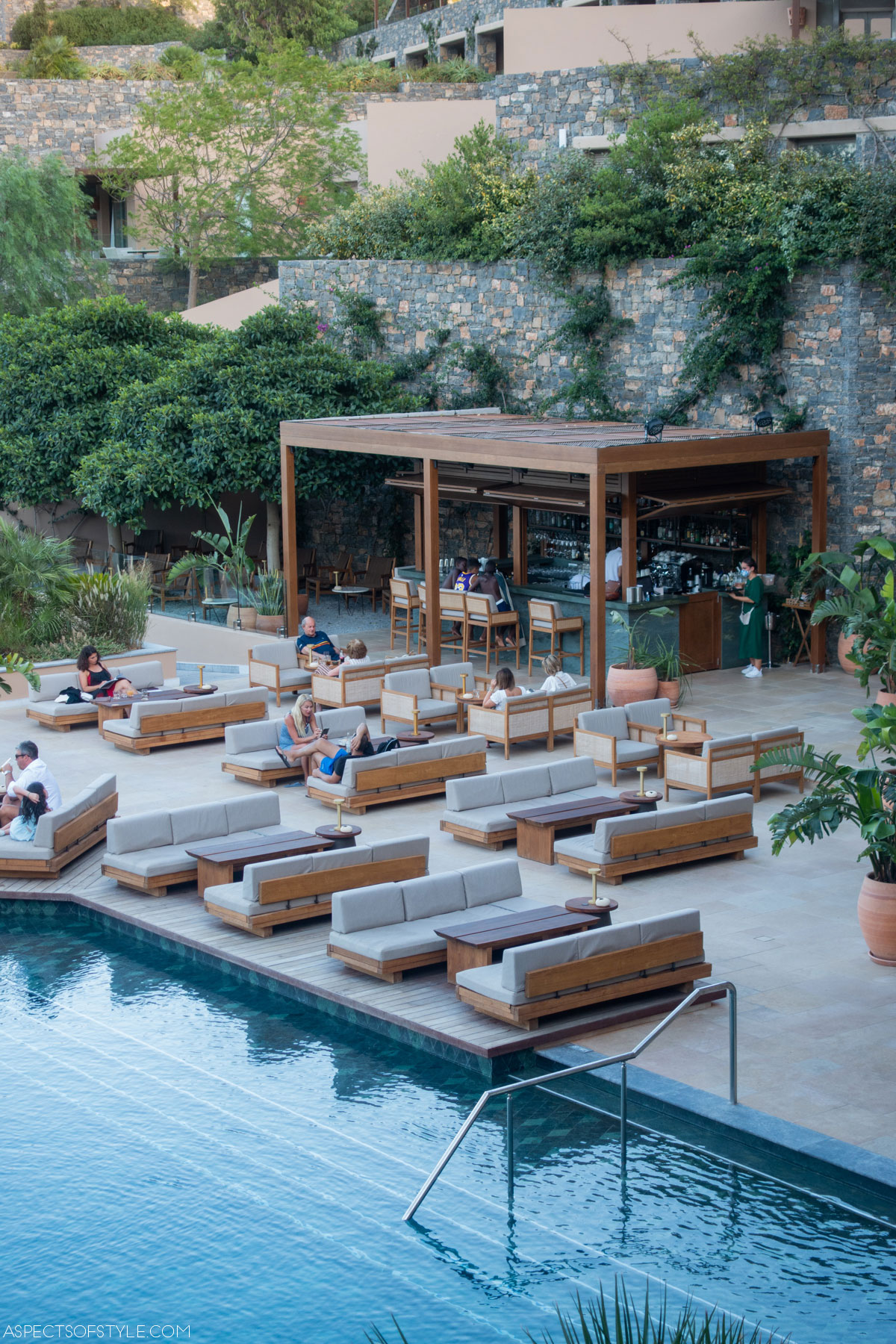
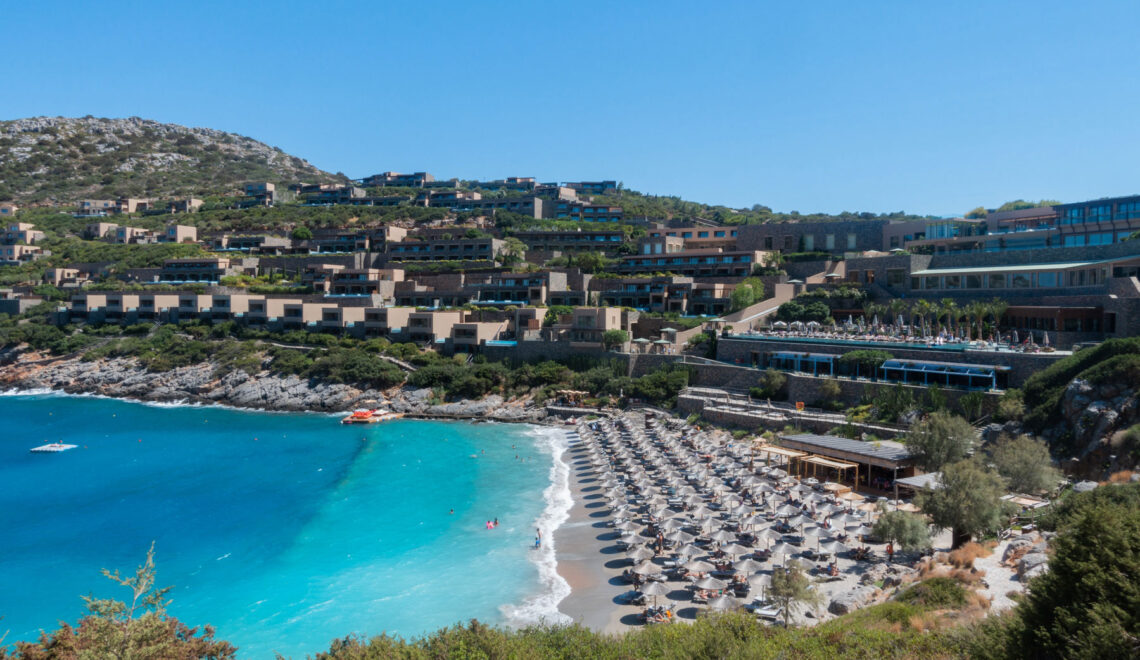
A luxurious resort with breathtaking views and exceptional service, Daios Cove was the perfect place for a short escape after our first baby — and after the COVID years. We spent three blissful days there! For the first time, didn’t feel the need to leave the resort to explore. I’ve shared more about that experience here.
Aelia Apartments – Makry Gialos
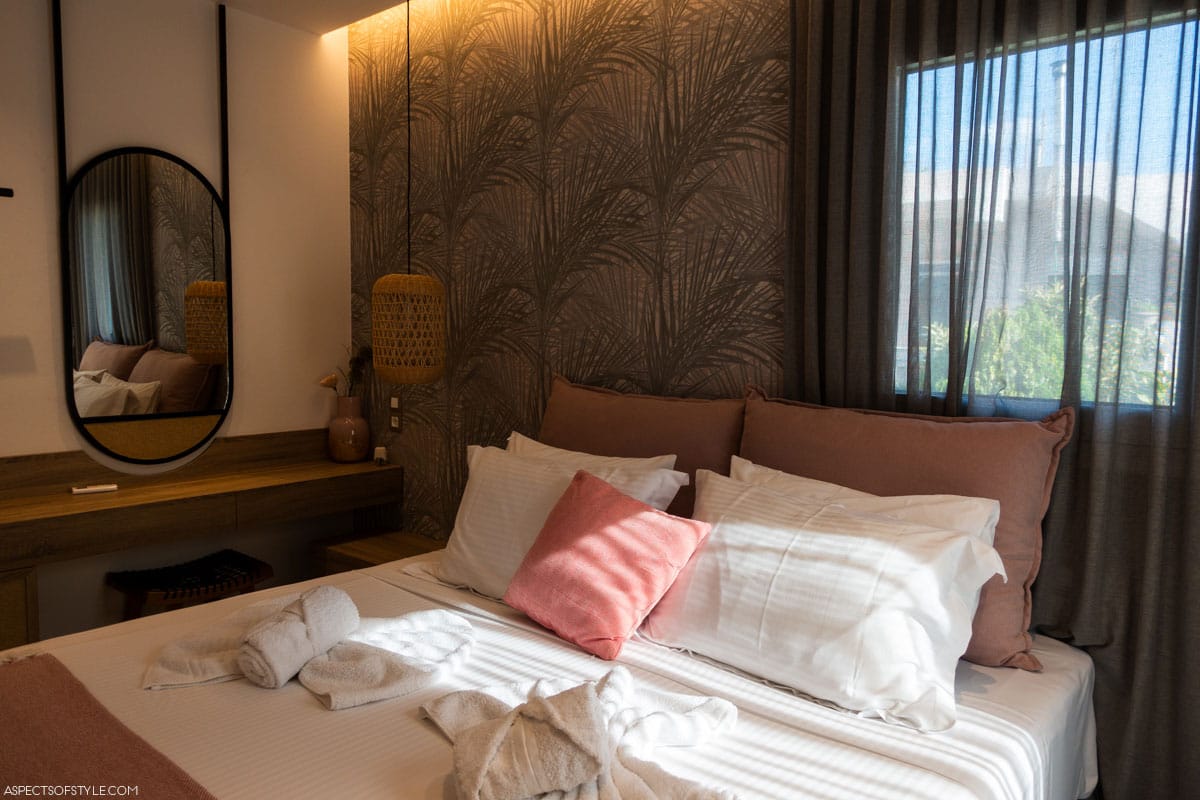
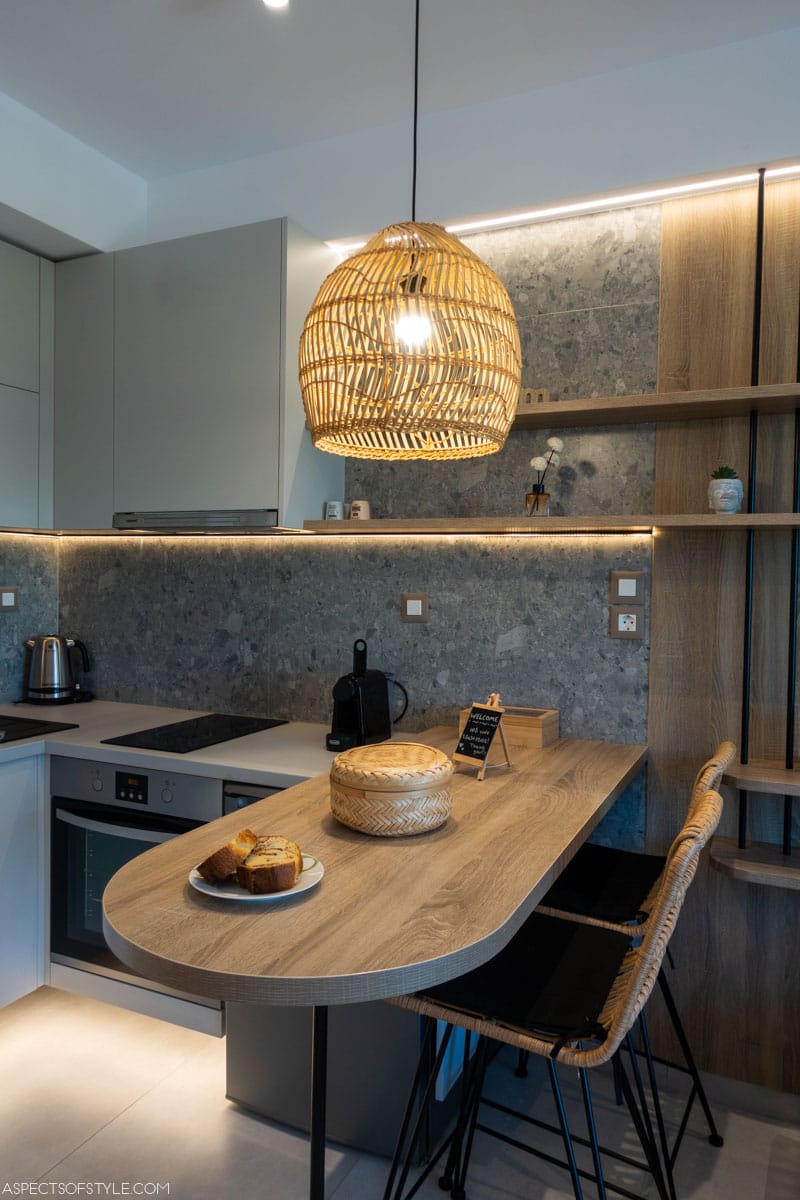
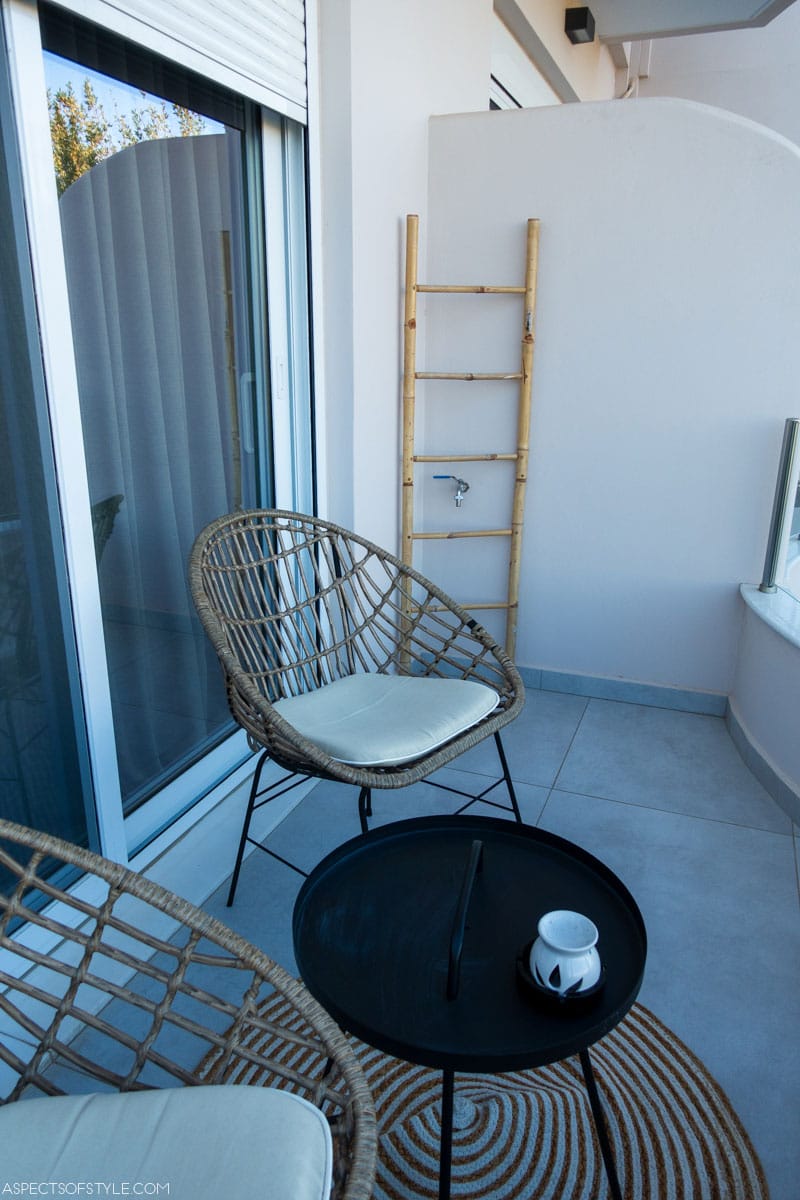
I first came across Aelia Apartments on Instagram and bookmarked them for a future stay — a decision that proved worthwhile. We’ve stayed there twice so far and love the convenient location, just a short walk from the beach. The apartments are fully equipped, with a shared washing machine, on-site parking, and even a playground. All these amenities make them ideal for families.
Final Tips & Reflections
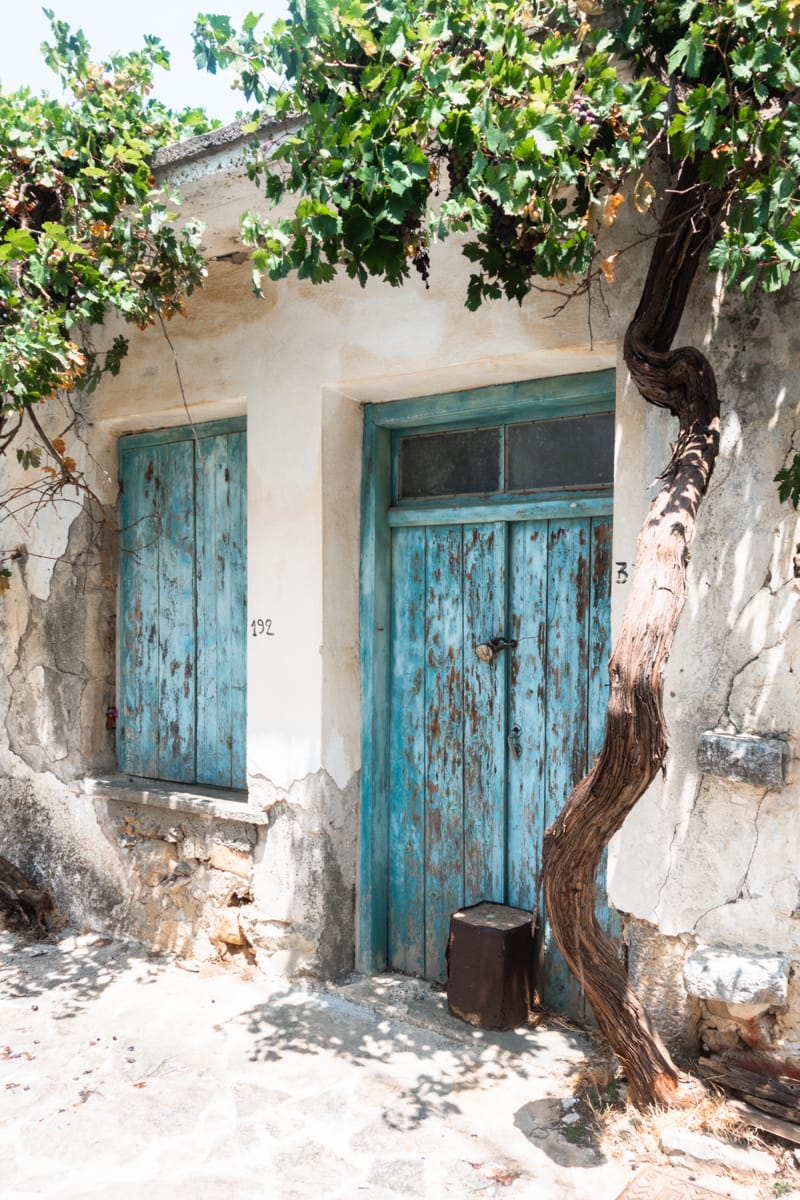
We visit Lasithi in August because that’s when we take time off, but any time from April to October is ideal for visiting the area. Renting a car is essential for exploring villages and reaching more remote spots. Compared to other parts of Crete, Lasithi remains less crowded. That makes it all the more appealing for travelers seeking a relaxed and authentic experience.
*This post contains affiliate links, which means I may earn a small commission at no extra cost to you.