The Peloponnese is probably the region of Greece I’ve visited the most. It’s close to Athens, rich in history, and full of interesting places. In the past, I’ve written about destinations like Elafonisos, Monemvasia, Mystras, and Patras. One area I had somehow skipped over the years is Mountainous Arcadia. Located in the heart of the Peloponnese, Arcadia’s main city is Tripoli, but its real charm lies in the mountains. The region is also closely linked to the Greek War of Independence in the 1820s, so its history runs deep.
Mountainous Arcadia is beautiful year-round. We visited in early January, and although winter weather can be unpredictable, we genuinely enjoyed wandering through the villages and admiring their architecture. This post is a mini-guide to planning a weekend trip to this scenic part of Greece.
Getting To Mountainous Arcadia
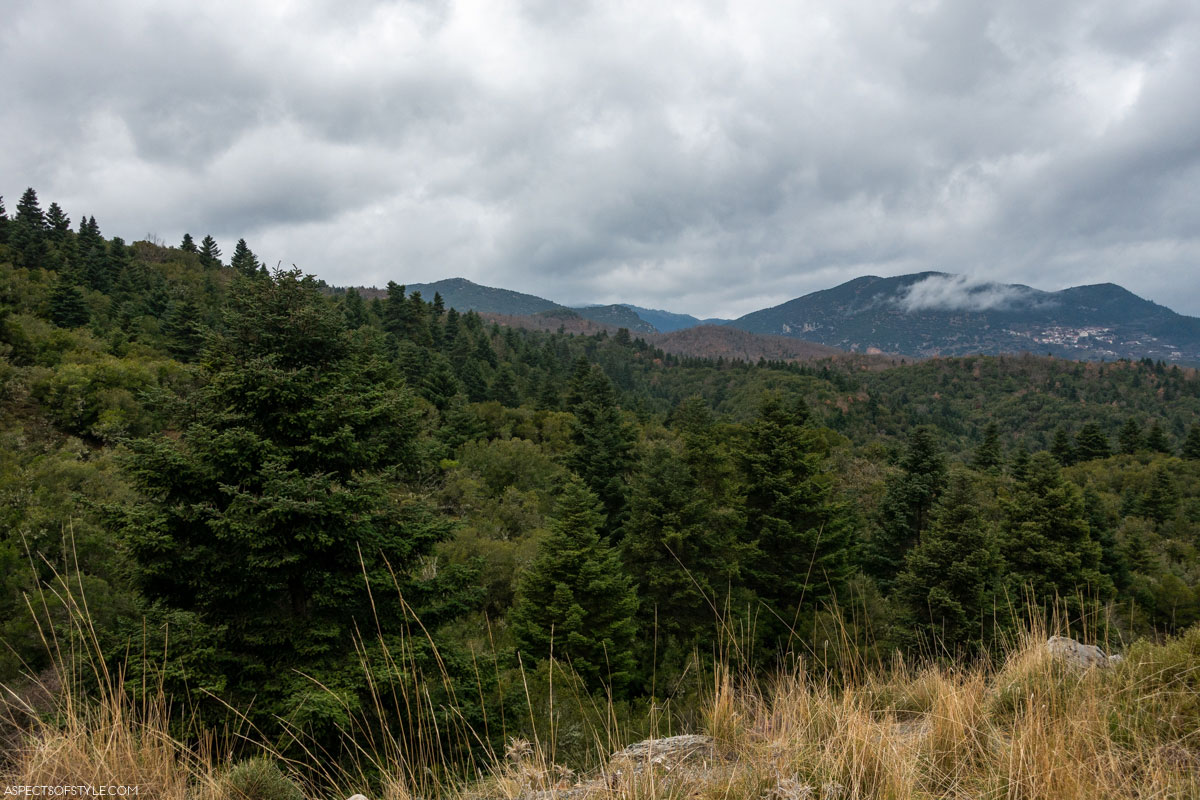
The best way to reach the villages of Mountainous Arcadia is definitely by car. For example, Dimitsana — located roughly in the center of the region — is about a 2.5-hour drive from Athens and around 1.5 hours from Kalamata, which is useful if you’re flying into that airport.
Parking can be tricky on busy weekends. Dimitsana offers plenty of parking spaces just outside the village, but in Stemnitsa and Vytina (especially the latter) it can be challenging. Be prepared to park a bit farther from the village center.
Related: All my posts about Peloponnese
Where to Stay
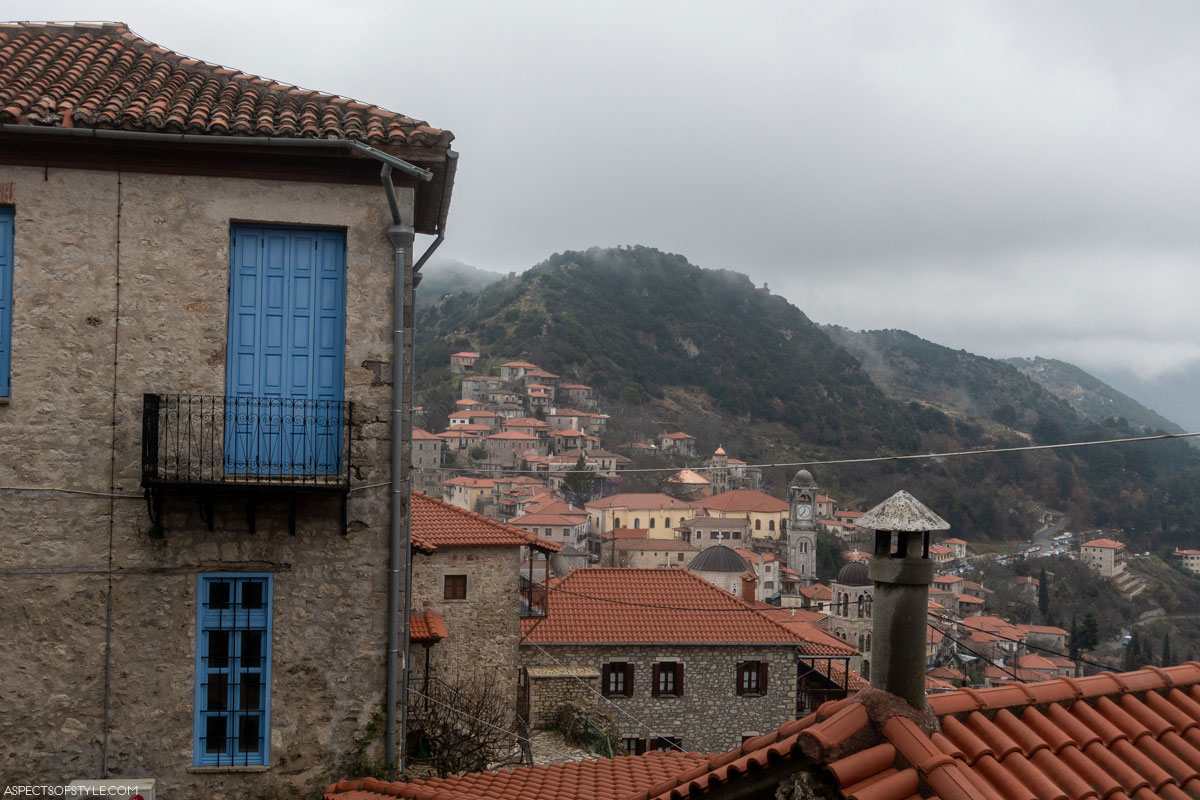
During our visit, we chose to stay in Tripoli since we were exploring other areas as well. If I were to visit again specifically for Mountainous Arcadia, I would look for accommodation in Dimitsana or Stemnitsa. For a unique and luxurious stay, consider Manna — a former sanatorium built in the 1930s that stood abandoned for decades before being converted into a stunning upscale hotel.
Places to Visit in Mountainous Arcadia
Dimitsana
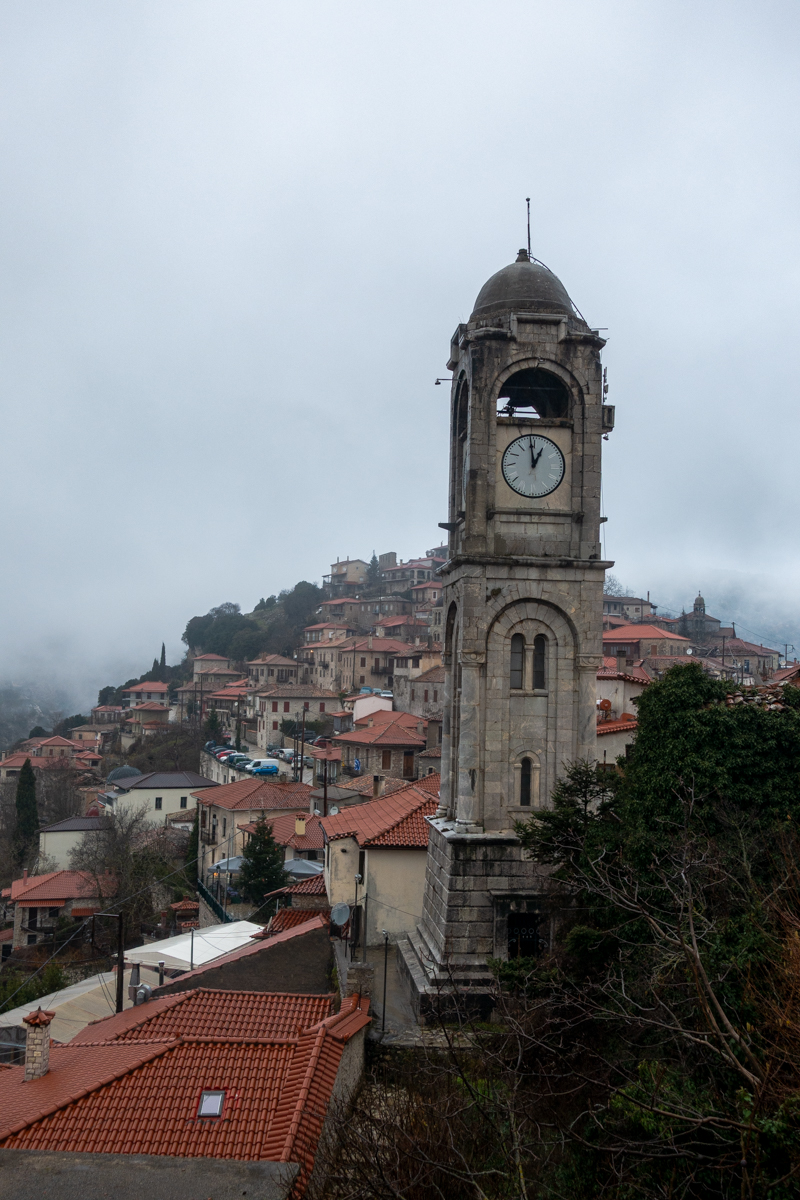
Dimitsana rose to prominence during the Greek Revolution in the early 19th century. Here you can visit the homes of two influential clerics who played important roles during the struggle for independence.
One is Patriarch Gregory V, who was executed in Istanbul in April 1821 in retaliation for the early successes of the Greek uprising. The other is Germanos III of Old Patras (Palaión Patron Germanós), who—according to tradition—proclaimed the beginning of the Revolution and blessed the revolutionary flag at the Monastery of Agia Lavra on March 25, 1821. In reality, several revolutionary acts took place earlier across the Peloponnese; for example, Kalamata was liberated on March 23.
Other points of interest in Dimitsana include the historic public library, the bell tower of Agia Kyriaki, and the Open-Air Water Power Museum, located a short drive outside the village.
Stemnitsa
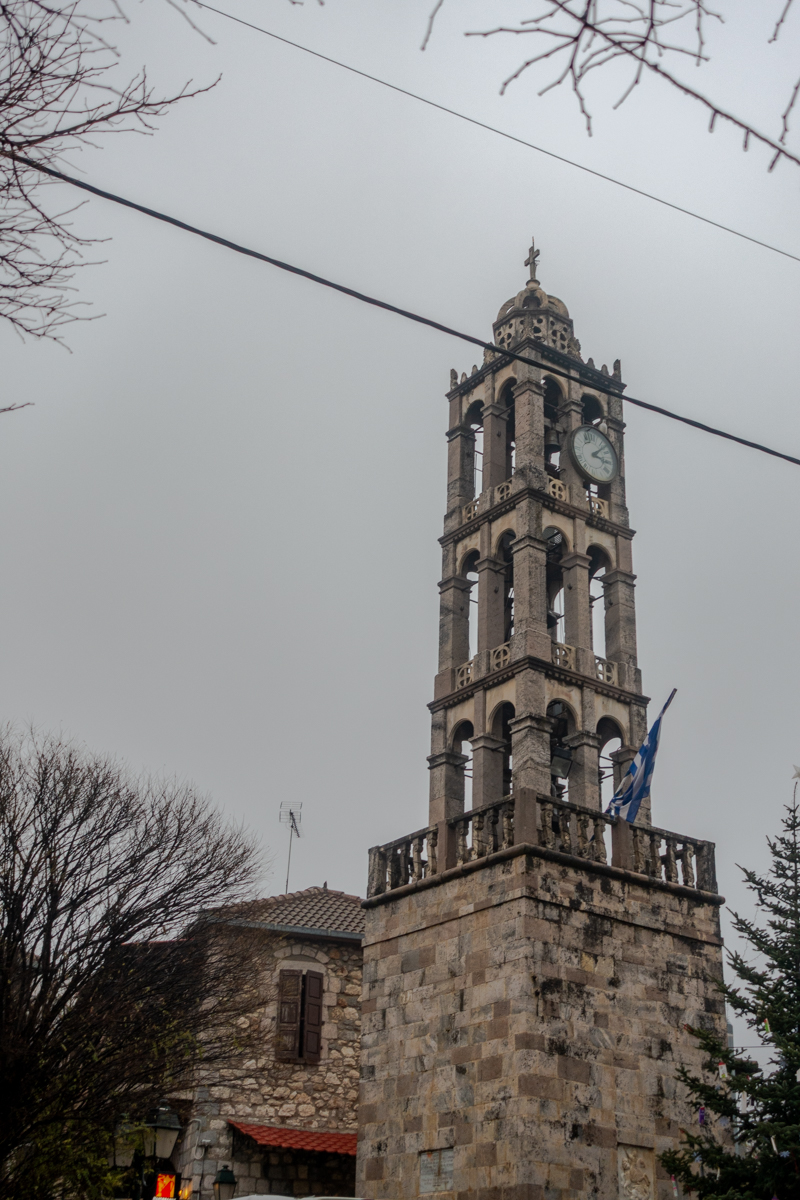
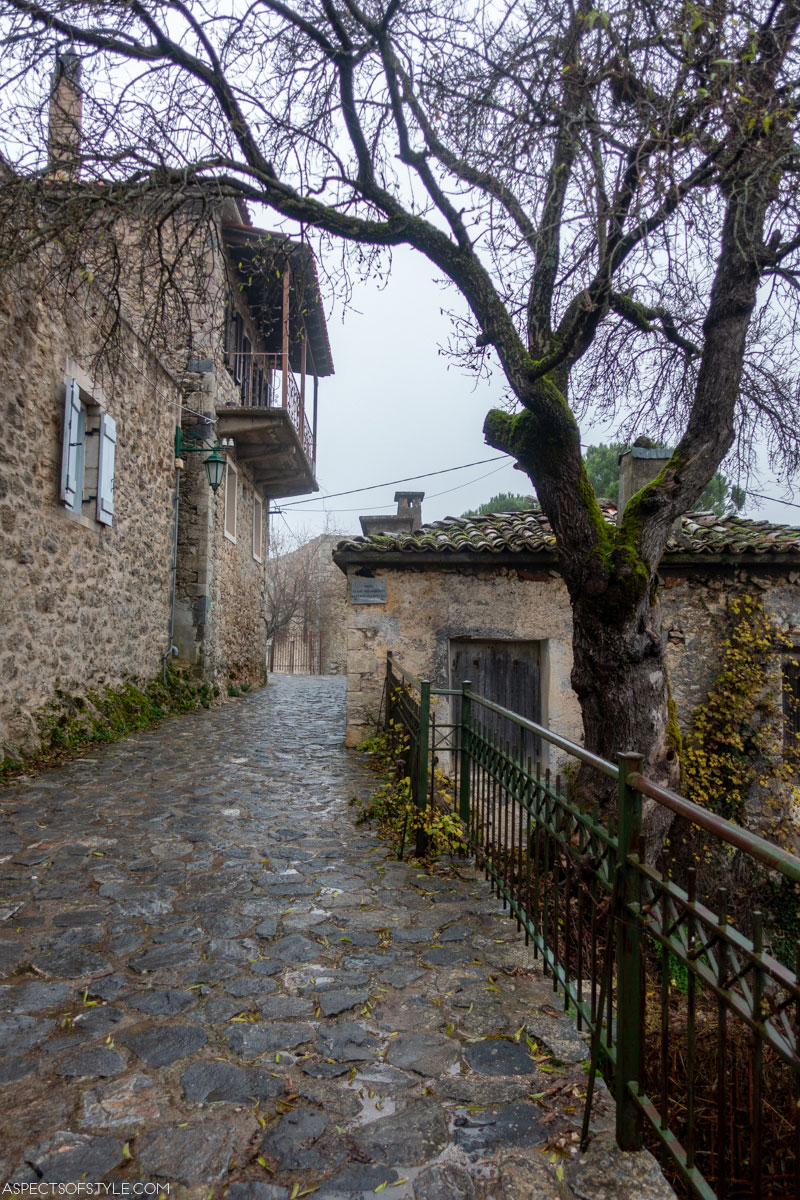
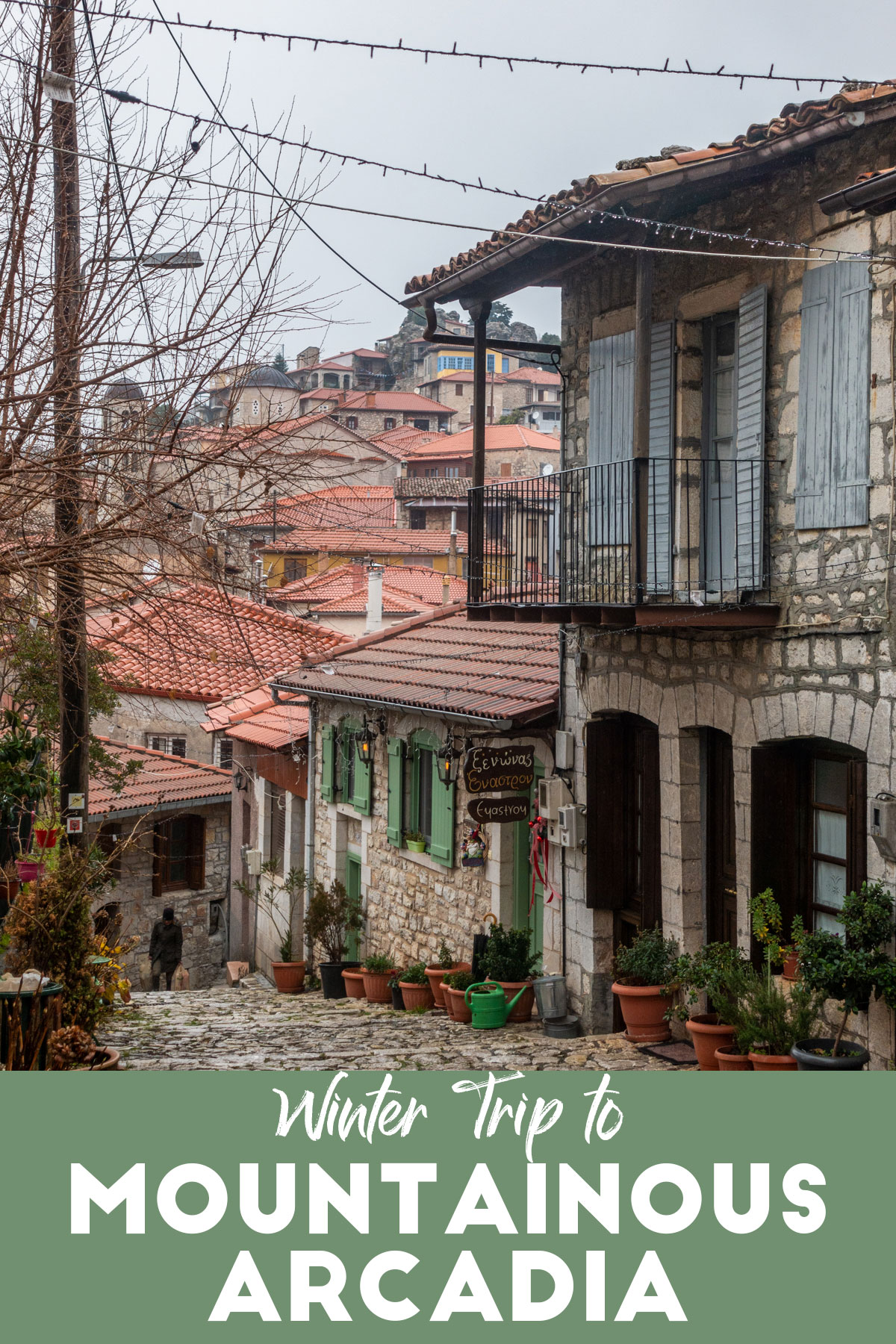
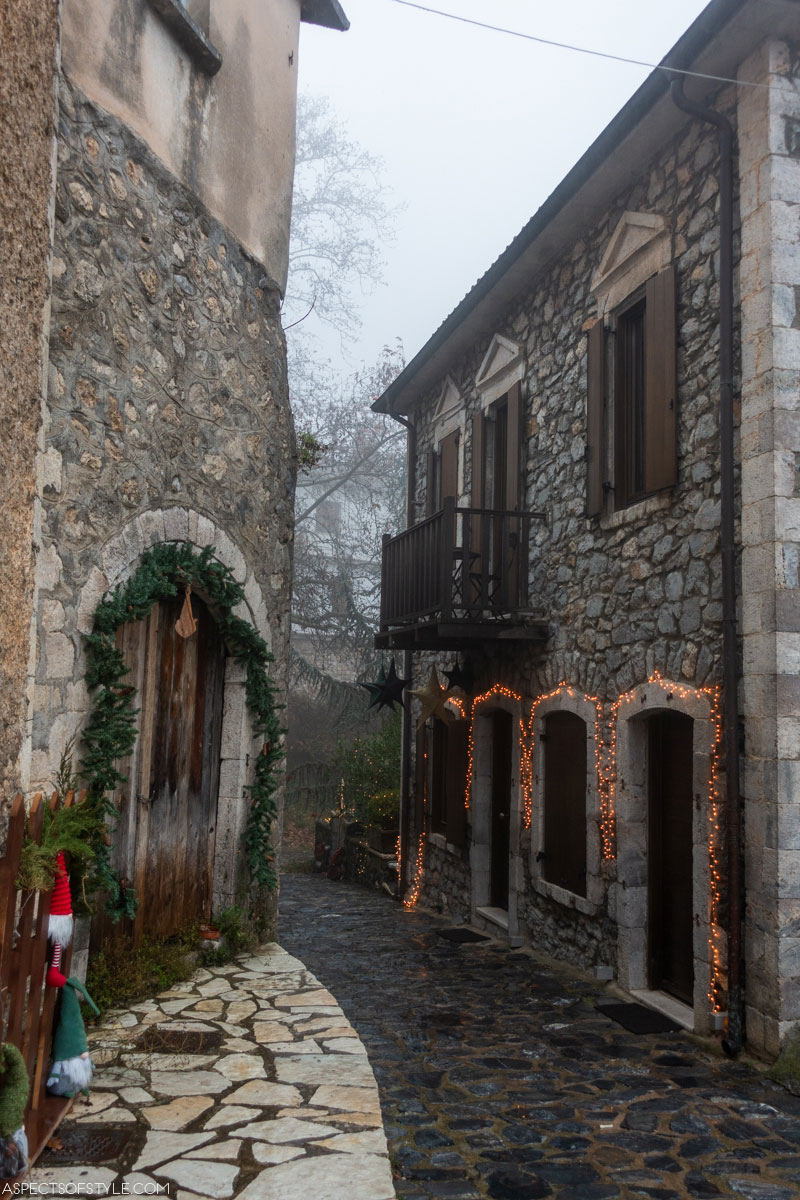
The name Stemnitsa, of Slavic origin, means “shady and wooded place” — fitting, considering the weather during our visit was foggy and rainy. Although we couldn’t fully appreciate the village in all its glory, we managed a short walk through its alleys. We visited the church of Panagia Bafero, while also trying to spot the well-known Silversmithing School of Stemnitsa.
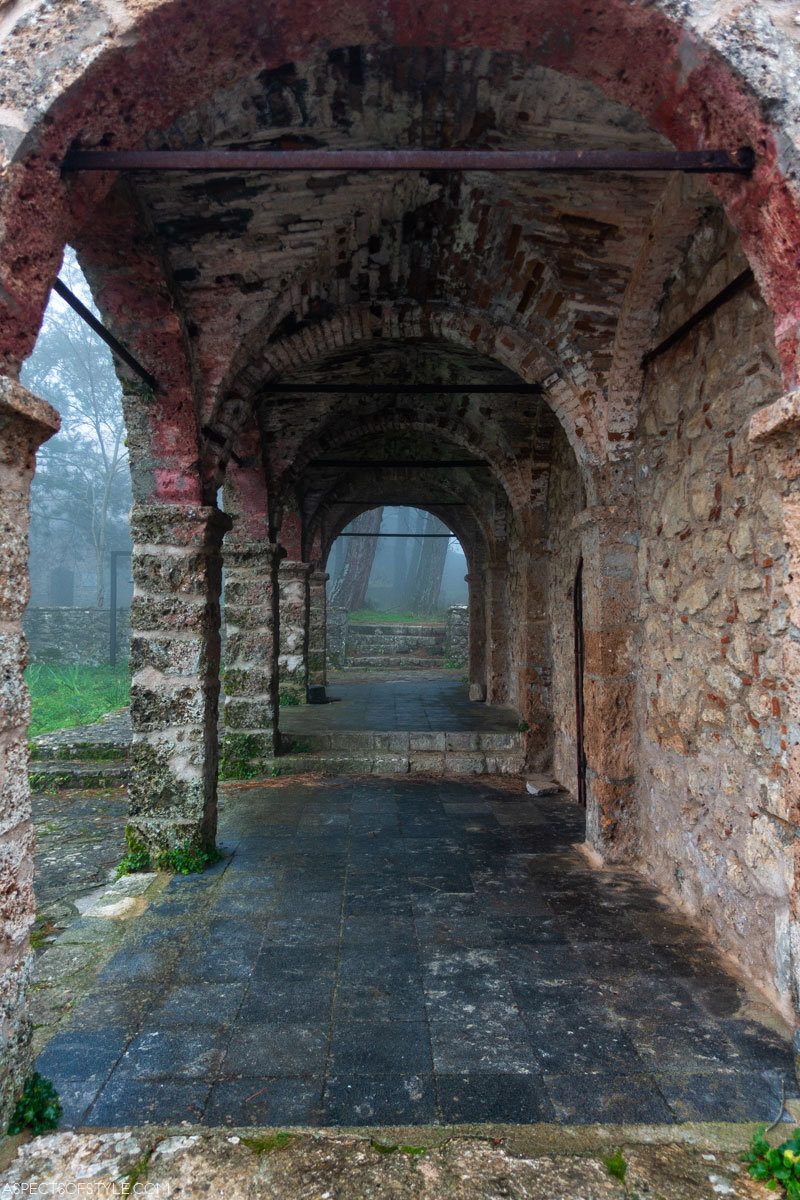
Silversmithing has deep roots in Stemnitsa. The craft dates back to the 17th century and flourished in the 19th century, especially since agriculture offered limited opportunities in the area. The silversmith school has been operating here since the 1970s and continues to preserve and promote this traditional art.
Karytaina
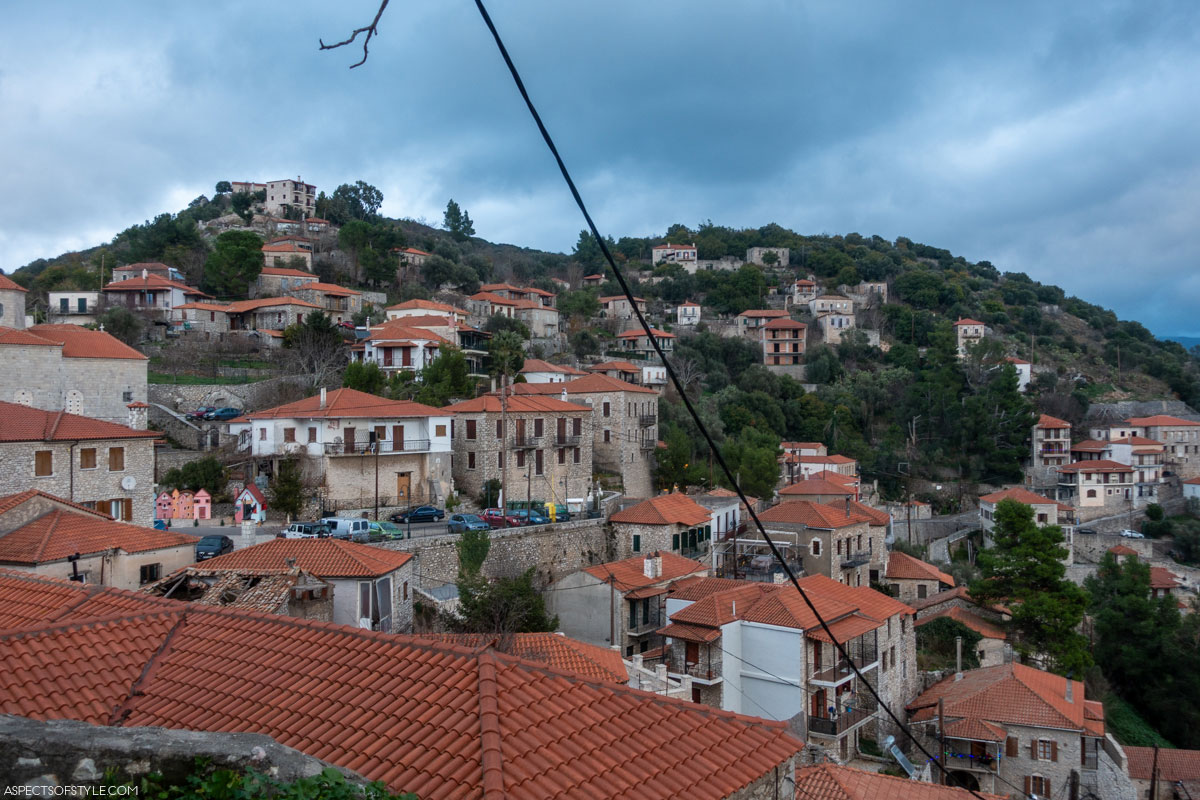
Karytaina became an important settlement after the conquest of the Peloponnese by the Franks following the Fourth Crusade (around 1205). It became one of the region’s major baronies and held significant strategic value. Over the centuries it changed hands multiple times — conquered by the Byzantines in 1320, the Ottomans in 1460, then by the Venetians from 1687 to 1715, before returning once again to Ottoman control.
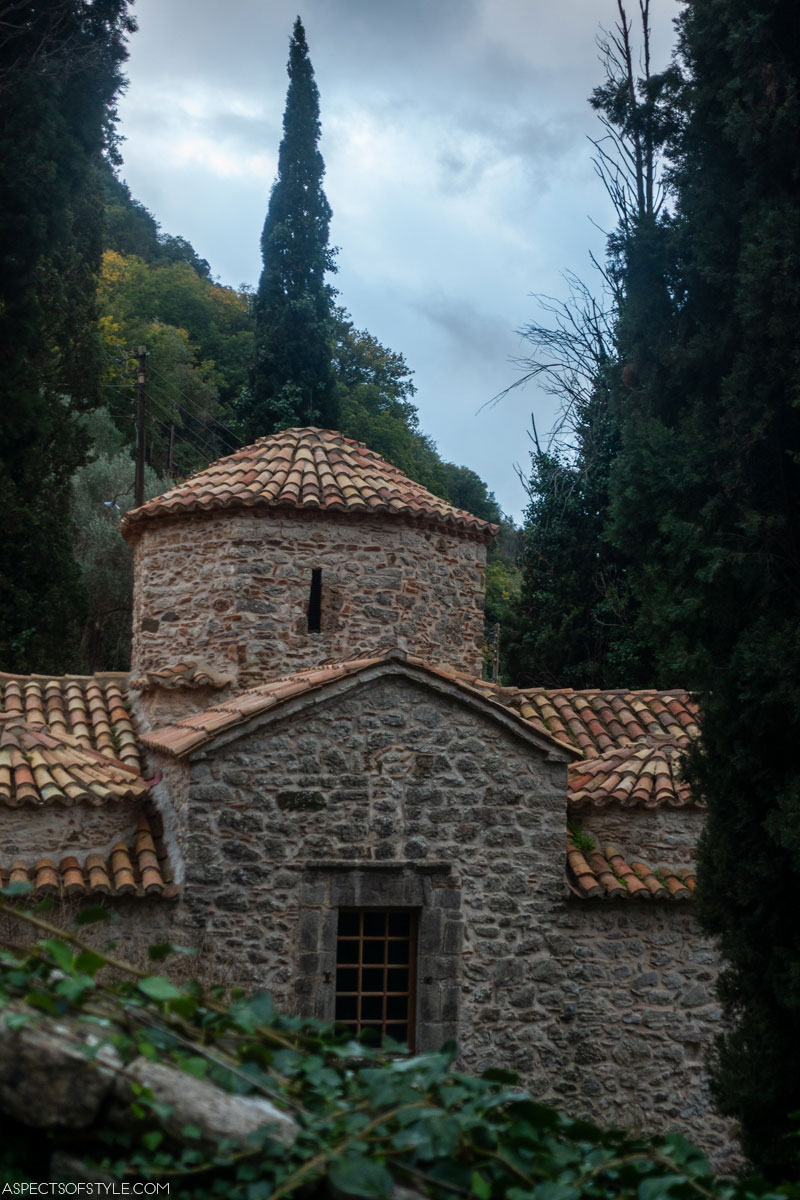
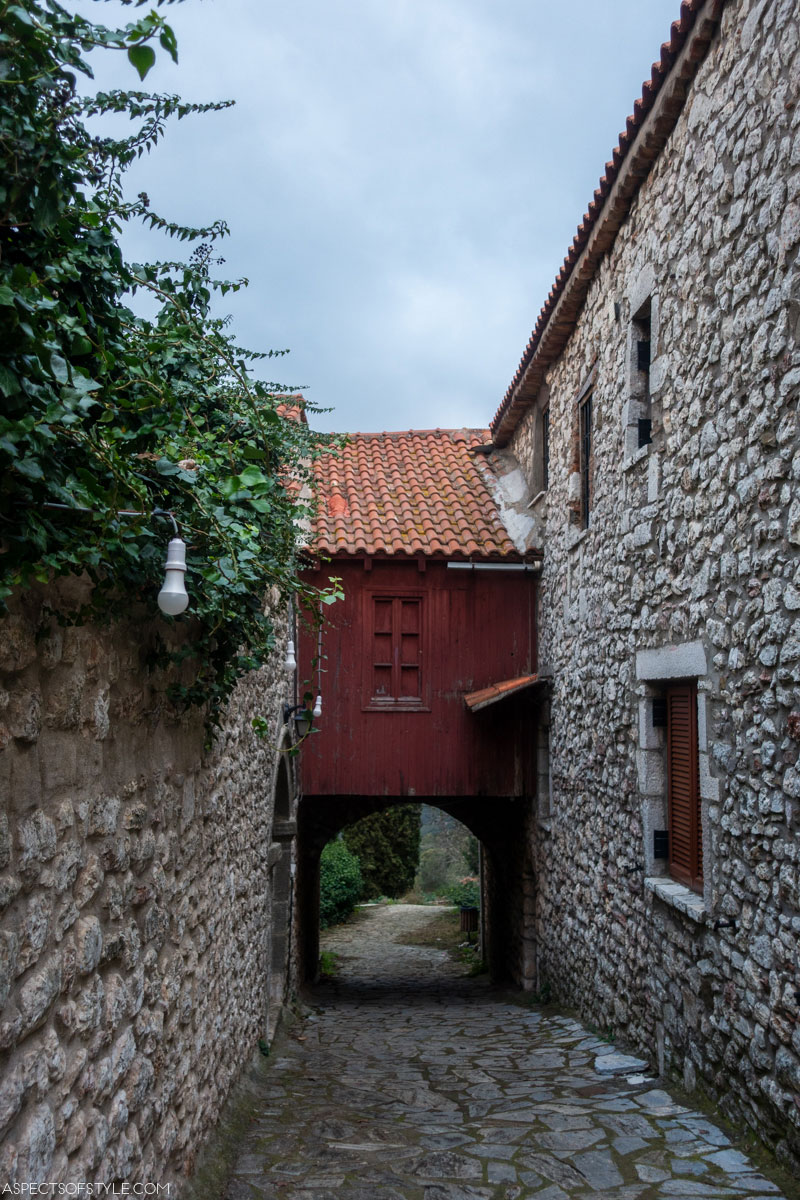
The village never regained its medieval prominence, and the castle was eventually abandoned by the 19th century. During our visit, the fortress was undergoing restoration work, so we explored the Church of Saint Nicholas in the village cemetery instead.
Magouliana
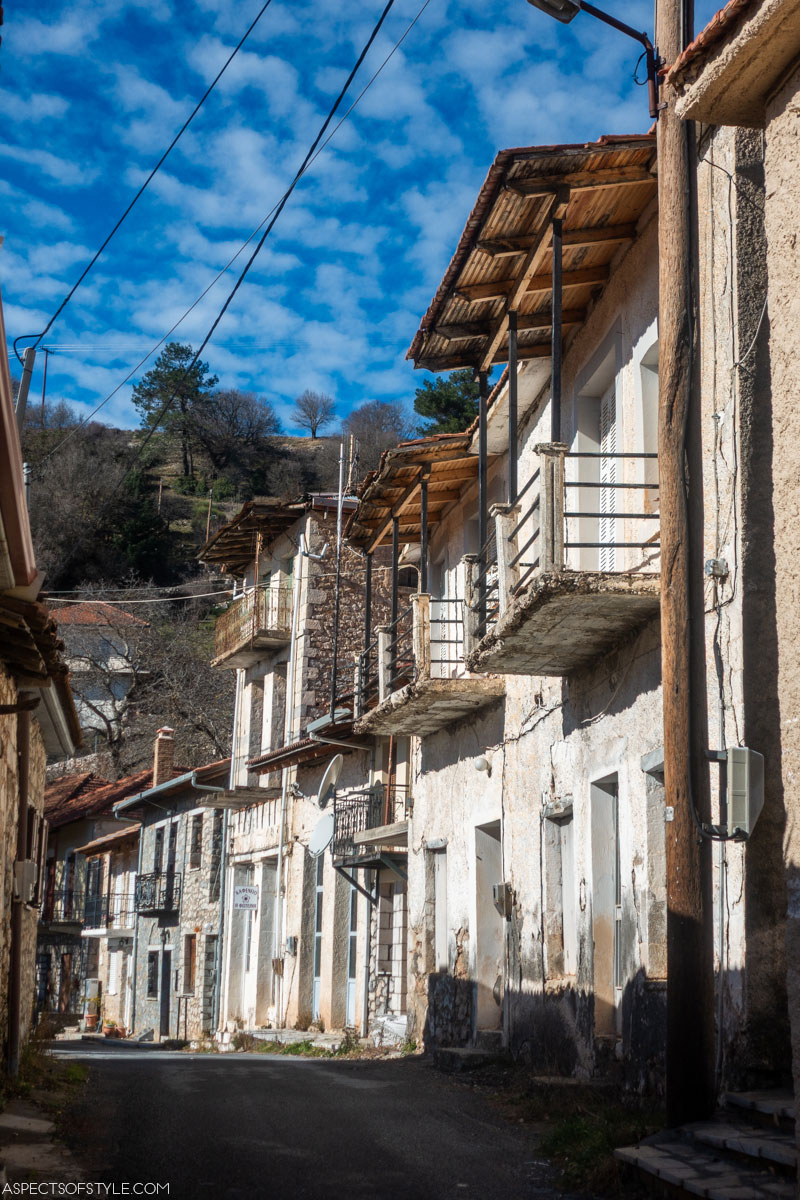
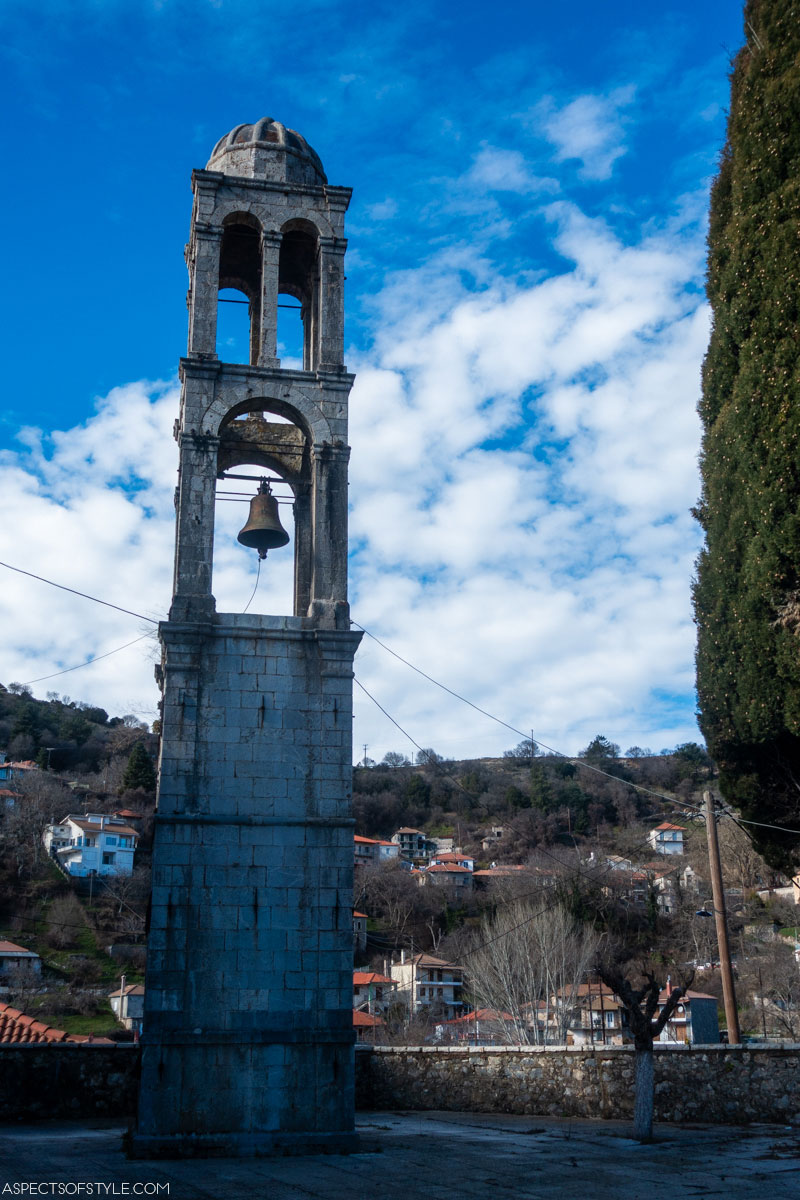
Magouliana holds the title of the highest-altitude village in the Peloponnese, perched at 1.365 meters above sea level. It offers beautiful panoramic views over Mount Mainalo.
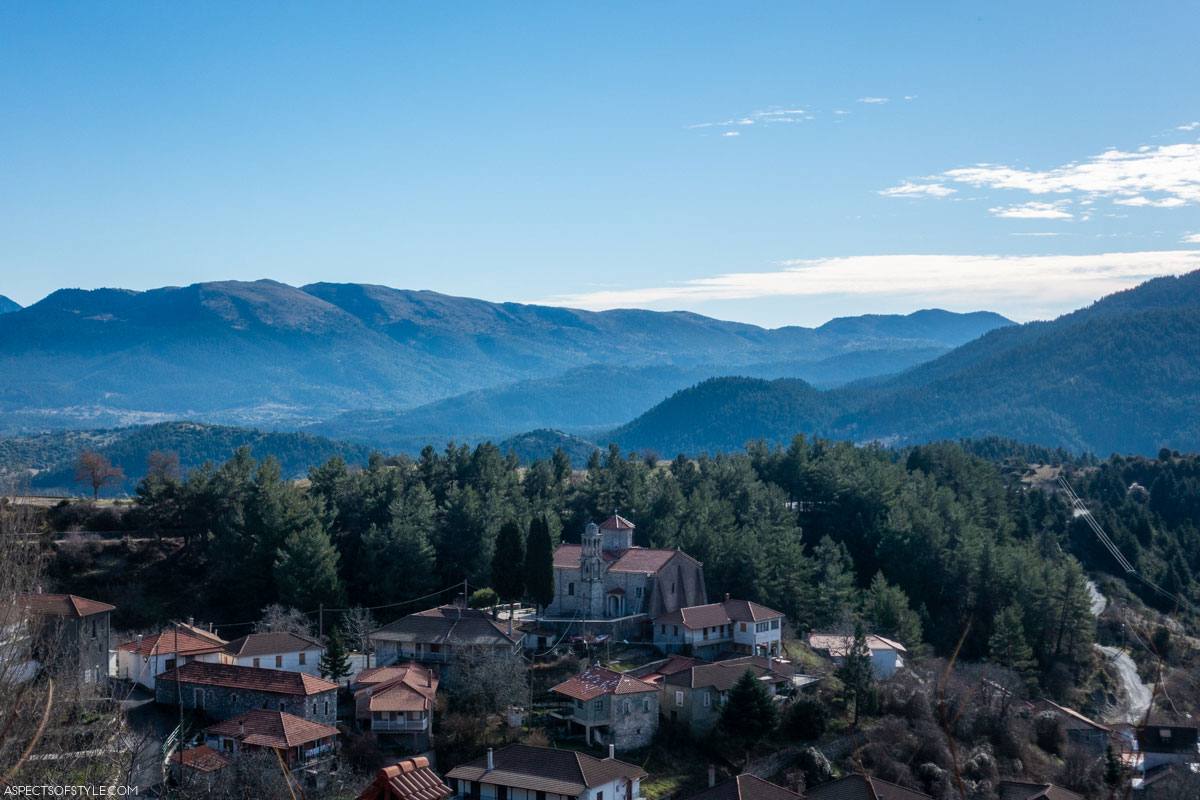
Just outside the village stands the Church of the Dormition of Mary, dating from the 19th century.
Vytina
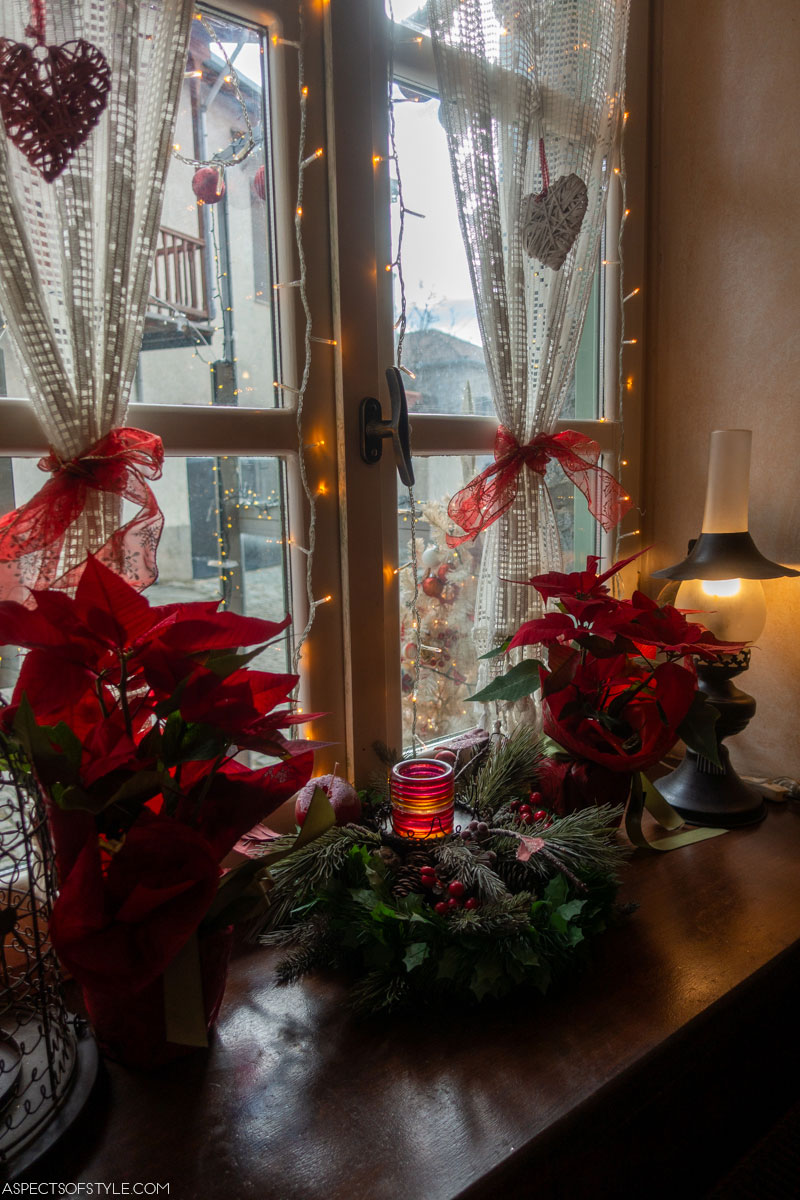
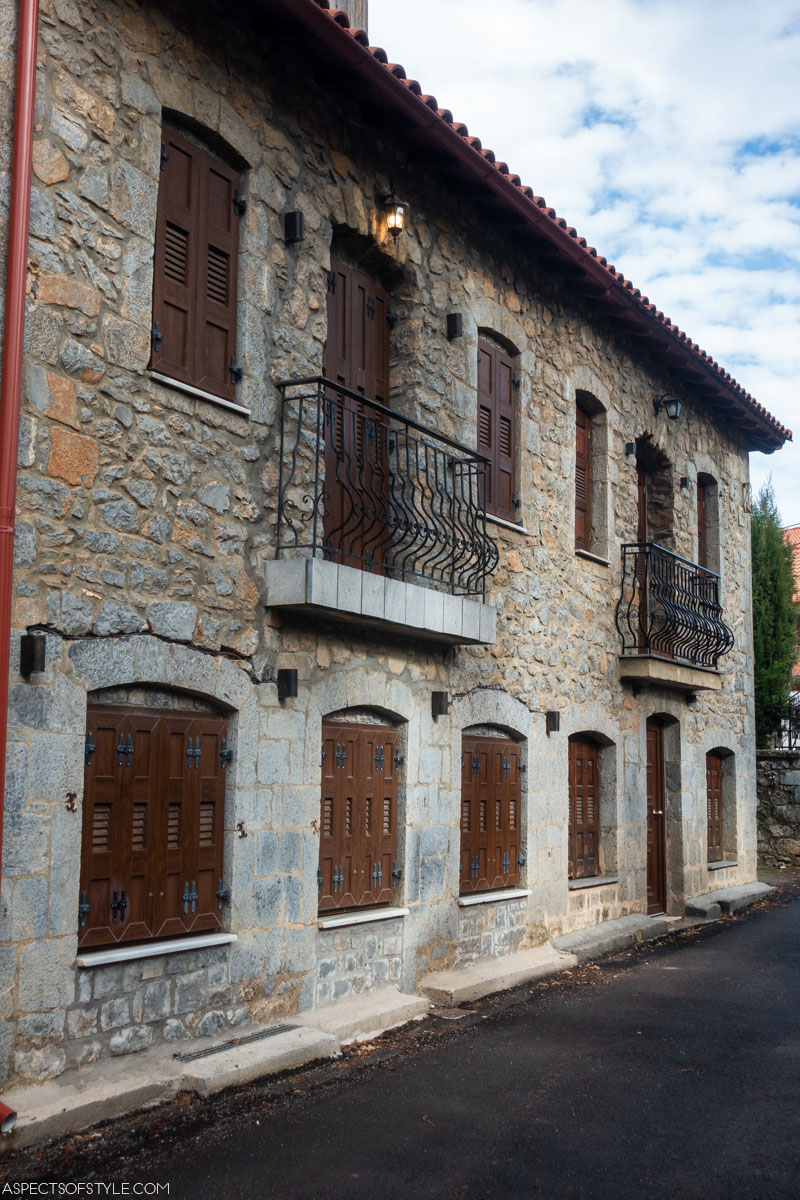
Vytina is perhaps my least favorite village in the region. Architecturally it doesn’t stand out compared to other Arcadian villages, but its easy access means it attracts plenty of visitors.

That said, I do enjoy dining at Klimataria, a restaurant I recommend. Vytina is also known for its local products — especially fir honey, which you should definitely try. Ask for Vanilia Elatis, a unique variety from the Mainalo fir forests.
When to Visit
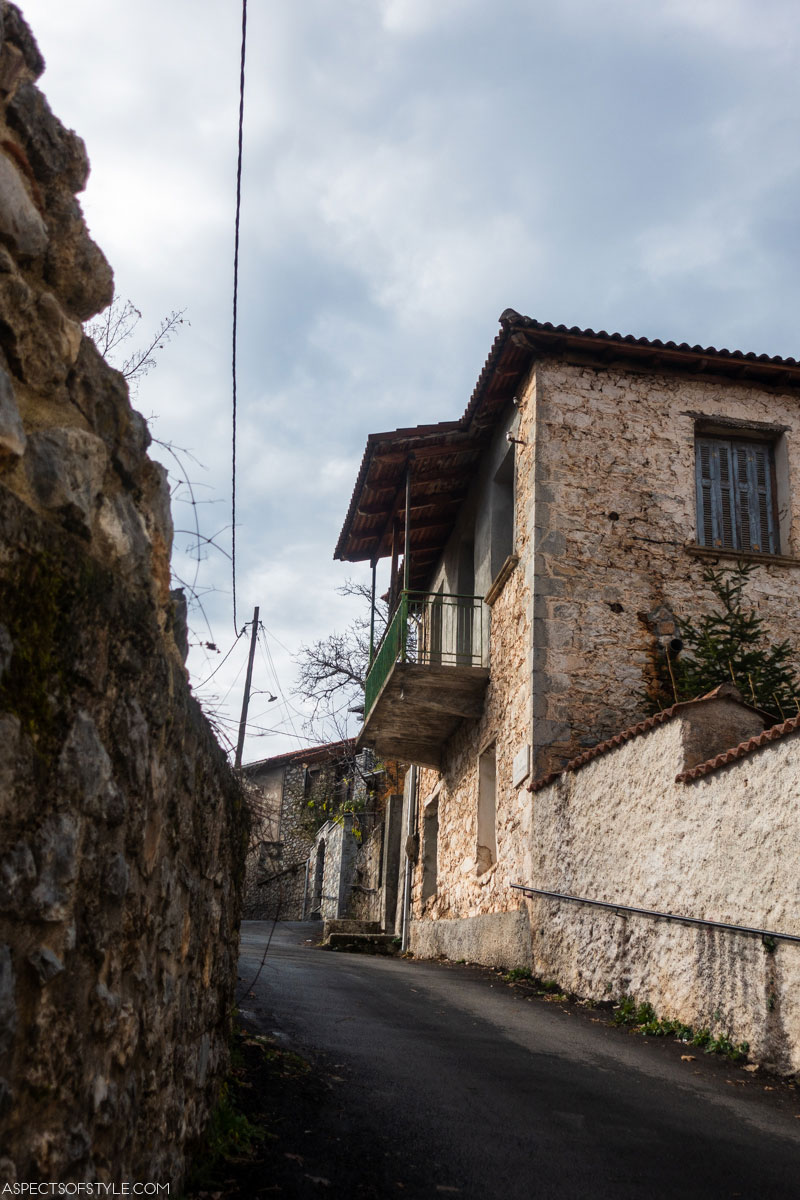
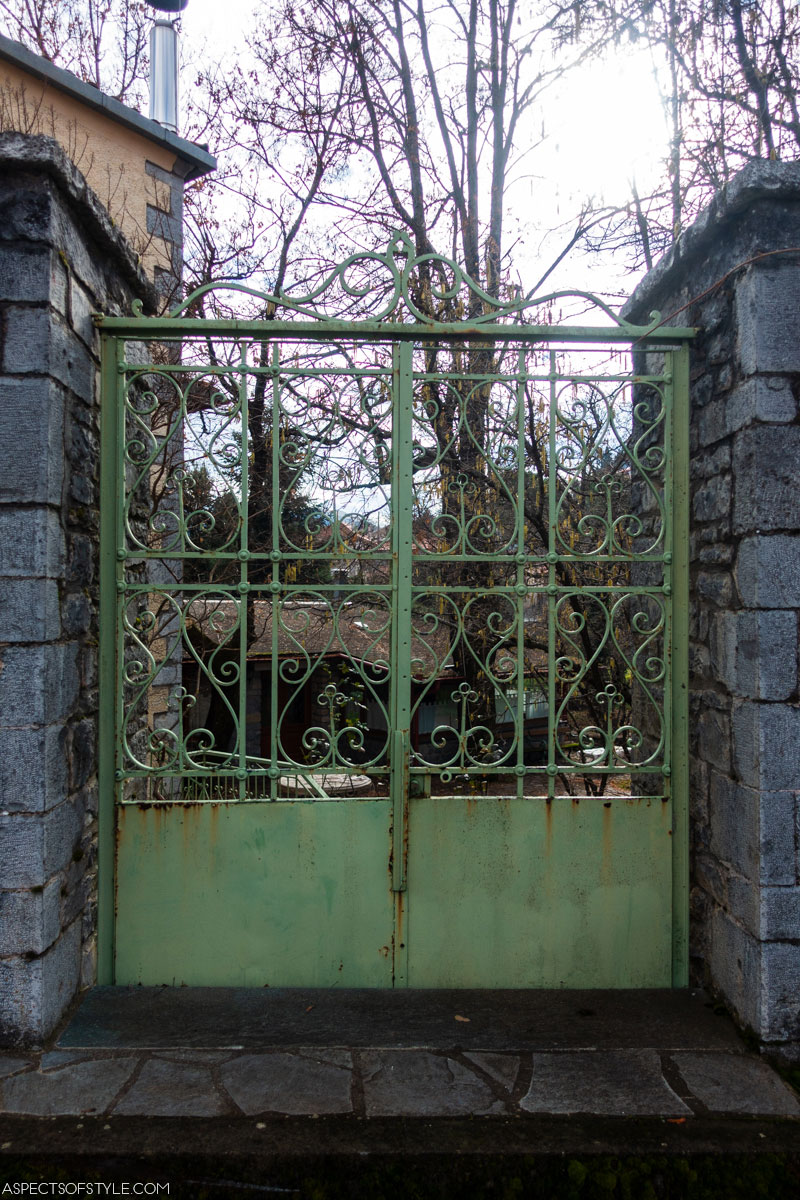
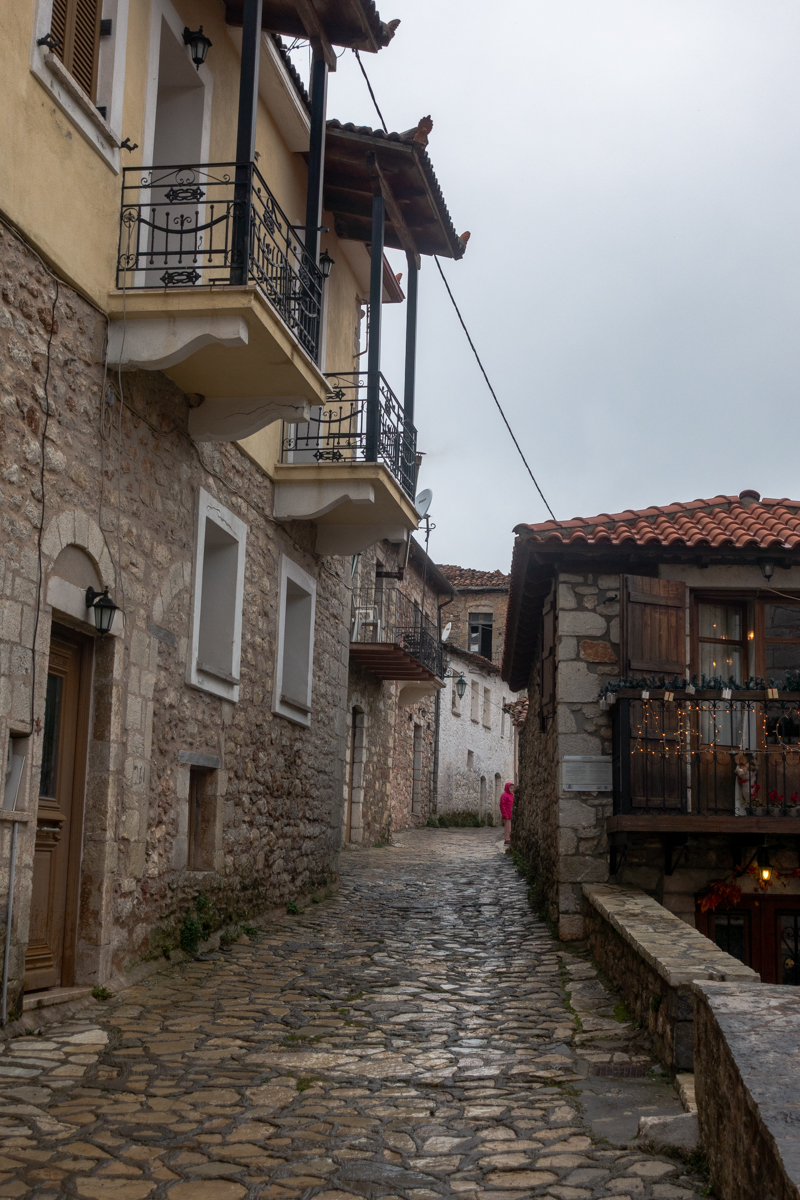
Mountainous Arcadia is especially popular in spring and autumn, as well as during the Christmas holidays. Summer is a quieter period — though comfortably cooler than many other Greek destinations. No matter when you visit, make sure to wear comfortable shoes, as the villages are built on slopes and have plenty of cobbled paths.
Closing thoughts
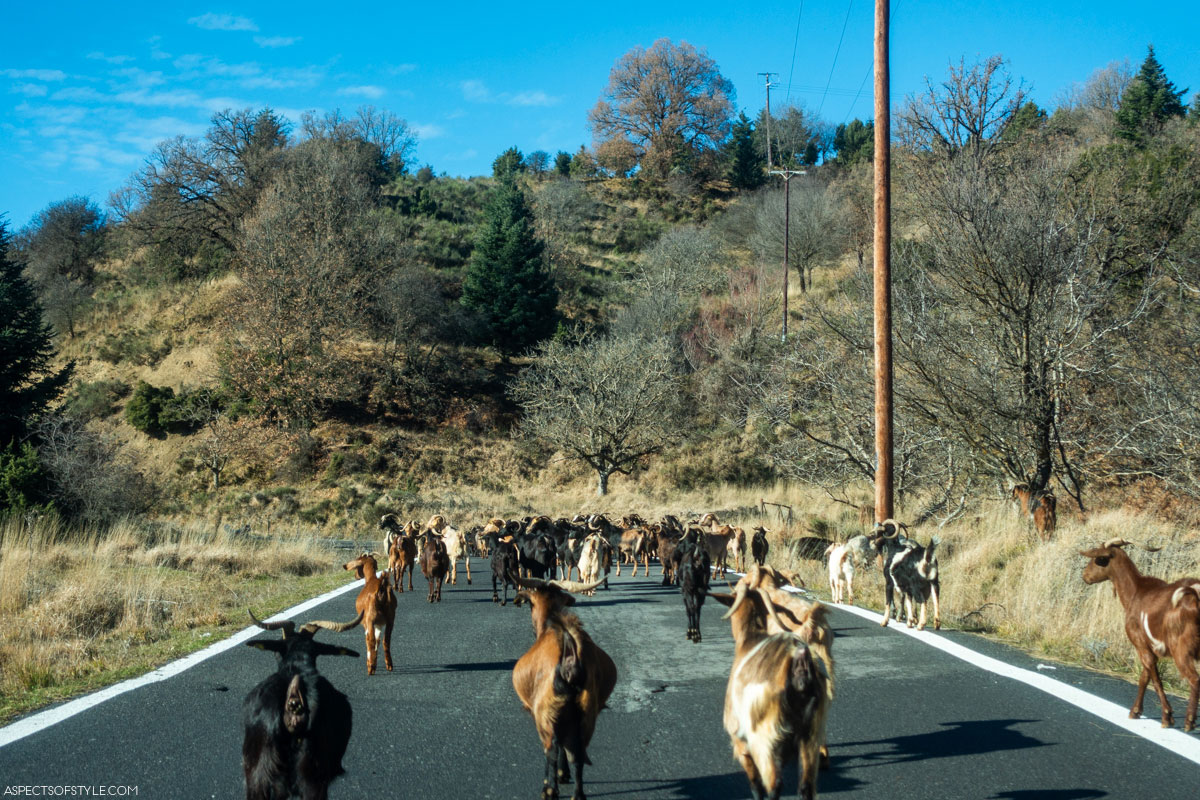
Whether you’re chasing history, scenery, or just a quiet escape into mountain life, the villages of mountainous Arcadia will reward you. Each one has its own charm – whether it’s a fog-covered square, an abandoned castle, or a spoonful of fir honey. If you are planning a trip to the Peloponnese, don’t skip this area!
*This post contains affiliate links, which means I may earn a small commission at no extra cost to you.